INFORMATION:
The study was funded by the European Research Council.
'Banded mongooses avoid inbreeding when mating with members of the same natal group' by Jennifer Sanderson, Jinliang Wang, Emma Vitikainen, Michael Cant & Hazel Nichols is published in the journal Molecular Ecology.
About the University of Exeter
The University of Exeter is a Russell Group university and in the top one percent of institutions globally. It combines world-class research with very high levels of student satisfaction. Exeter has over 19,000 students and is ranked 7th in The Times and The Sunday Times Good University Guide league table, 10th in The Complete University Guide and 9th in the Guardian University Guide 2015. In the 2014 Research Excellence Framework (REF), the University ranked 16th nationally, with 98% of its research rated as being of international quality. Exeter was The Sunday Times University of the Year 2012-13.
The University has four campuses. The Streatham and St Luke's campuses are in Exeter and there are two campuses in Cornwall, Penryn and Truro. The 2014-2015 academic year marks the 10-year anniversary of the two Cornwall campuses. In a pioneering arrangement in the UK, the Penryn Campus is jointly owned and managed with Falmouth University. At the campus, University of Exeter students can study programmes in the following areas: Animal Behaviour, Conservation Biology and Ecology, English, Environmental Science, Evolutionary Biology, Geography, Geology, History, Human Sciences, Marine Biology, Mining and Minerals Engineering, Politics and International Relations, Renewable Energy and Zoology.
The University has invested strategically to deliver more than £350 million worth of new facilities across its campuses in the past few years; including landmark new student services centres - the Forum in Exeter and The Exchange at Penryn - together with world-class new facilities for Biosciences, the Business School and the Environment and Sustainability Institute. There are plans for another £330 million of investment between now and 2016.
http://www.exeter.ac.uk/cornwall
About the University of Exeter's Centre for Ecology and Conservation (CEC)
Staff at the Centre for Ecology and Conservation, based on the Penryn Campus, undertake cutting-edge research that focusses on whole organism biology. The CEC has three interlinked research groups: Behaviour, Ecology and Conservation, and Evolution which constitute 40 academics and over 100 early career researchers. It engages widely with businesses, charities and government agencies and organisations in Cornwall, the Isles of Scilly and beyond to translate its research into societal impact. Staff at the CEC deliver educational programs to some 500 undergraduate and 100 postgraduate students.
A new £5.5 million Science and Engineering Research Support Facility (SERSF) is currently under construction at the Penryn Campus. The facility will bring pioneering business, science and engineering together and will provide space for the growing CEC alongside the University of Exeter Business School, which is expanding into Cornwall, and the University's Marine Renewables team.
The University of Exeter and Falmouth University are founding partners in the Combined Universities in Cornwall (CUC), a unique collaboration between six universities and colleges to promote regional economic regeneration through Higher Education, funded mainly by the European Union (Objective One and Convergence), the South West Regional Development Agency and the Higher Education Funding Council for England, with support from Cornwall Council.
http://biosciences.exeter.ac.uk/cec/
Wild mongooses avoid inbreeding with unusual reproductive strategy
Successfully breeding mongoose pairs were less related than expected under random mating
2015-06-11
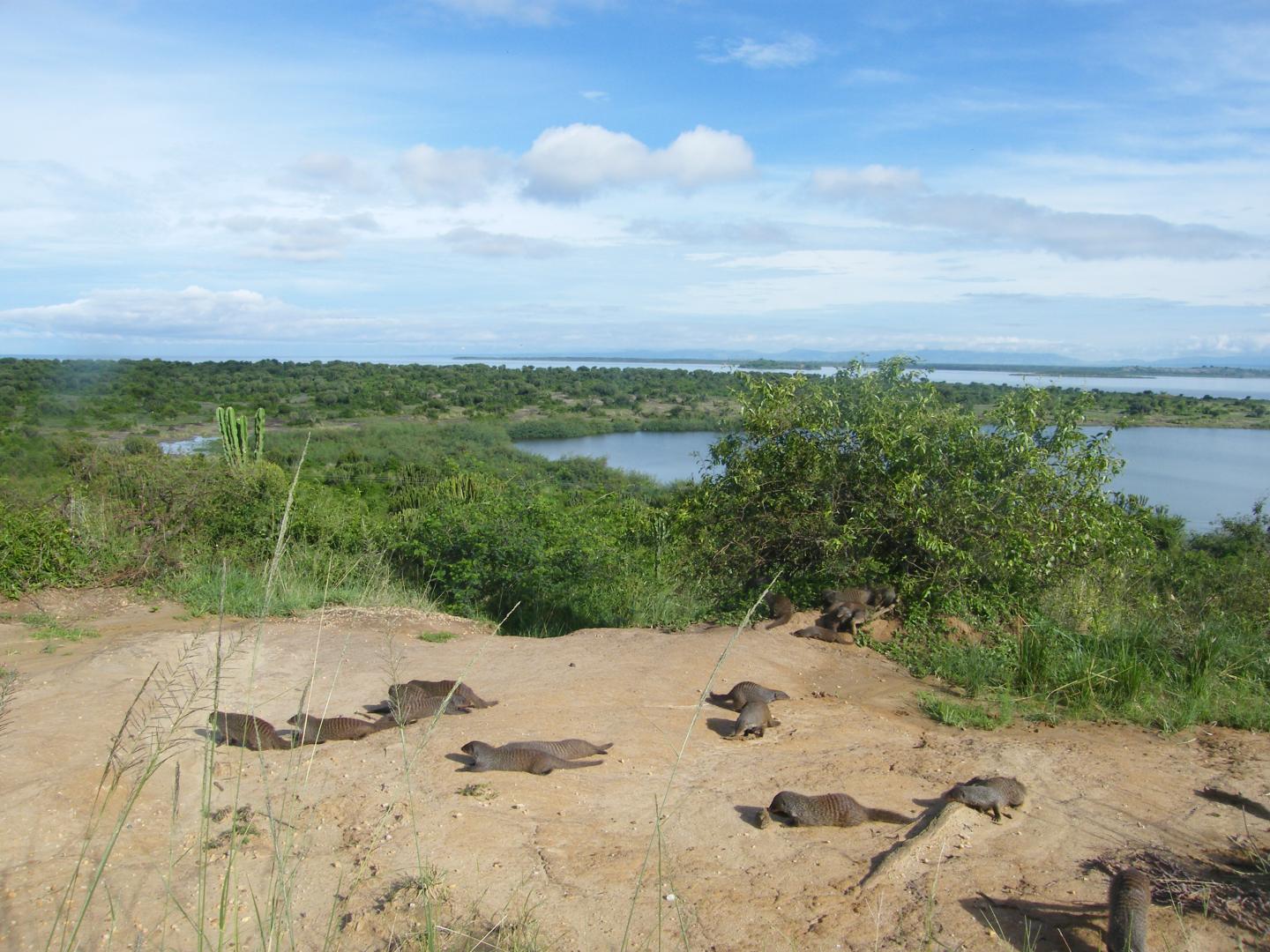
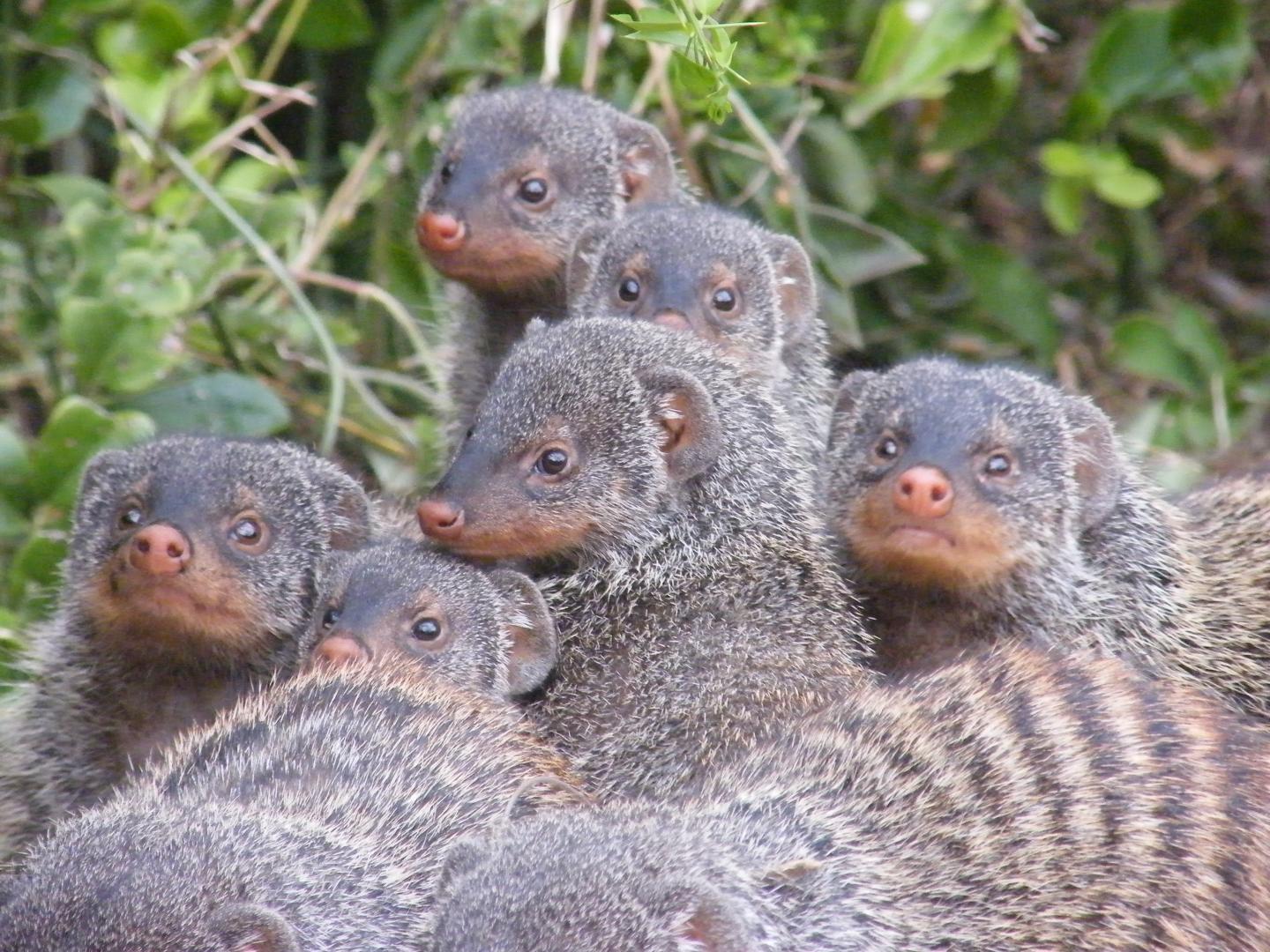
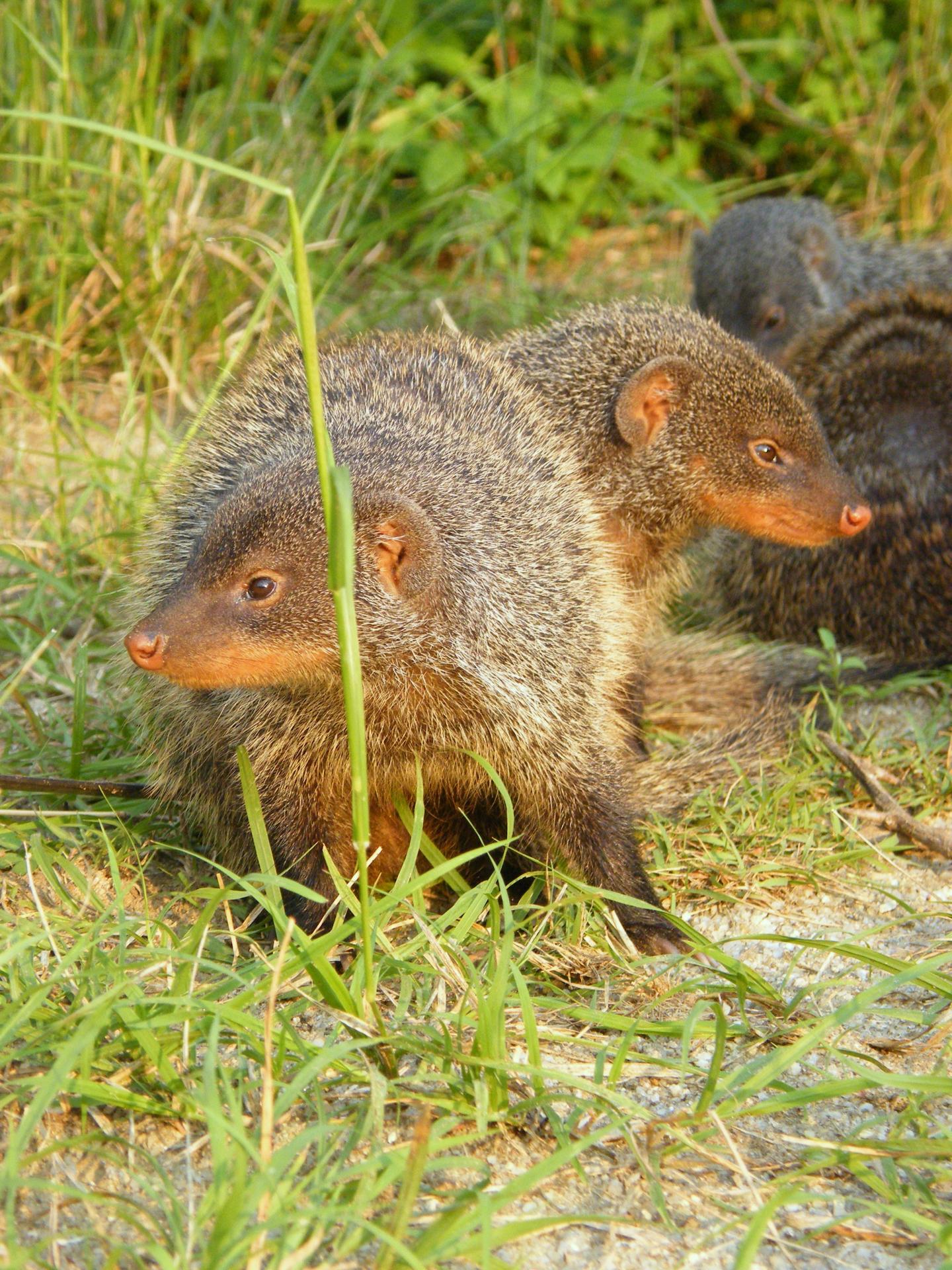
(Press-News.org) Researchers studying banded mongooses in Uganda have discovered that these small mammals are able to discriminate between relatives and non-relatives to avoid inbreeding even when mating within their own closely related social group.
Inbreeding can be a big problem for social species such as banded mongooses because they grow up in social groups consisting mainly of close relatives. This study is the first to suggest that social animals are able to avoid the costs of inbreeding without relying on un-related mating partners from other social groups.
Dr Jennifer Sanderson, from the University of Exeter, has been observing wild banded mongooses to understand how they avoid the negative aspects of inbreeding. The findings of the 16-year study are published today in the journal Molecular Ecology.
She found that while most social mammals avoid inbreeding by either not breeding or dispersing to a group of non-relatives, male banded mongooses avoid inbreeding by focusing their mating effort towards females within their extended family to which they are least related.
Although the researchers do not yet understand how they avoid inbreeding, the mongooses may use scent, or their highly individual calls, to help them gauge relatedness.
According to Dr Sanderson: "Wild animals are known to use a variety of tactics to avoid the costs associated with inbreeding but most of these tactics involve dispersal or waiting to encounter an unrelated immigrant. Our study has shown that both male and female banded mongooses are able to avoid inbreeding while mating within their family group even in the absence of immigration".
Dr Sanderson collaborated with Dr Hazel Nichols to collect thousands of genetic samples from the Ugandan mongooses which were then analysed at Liverpool John Moores University.
Dr Nichols from Liverpool John Moores University said: "We've used a large number of genetic markers to determine the parents of over 1500 banded mongoose pups. This has allowed us to quantify the occurrence of inbreeding and investigate the tactics used by both male and female banded mongooses to avoid it."
Banded mongooses are close relatives of the famous meerkat and are found living in stable social groups across Central and Eastern Africa. They are highly social, with most individuals remaining in their natal group surrounded by relatives for their whole lives.
Dr Sanderson found that when banded mongooses did breed with close relatives the resulting inbred offspring were significantly smaller than their outbred littermates when they emerged from the den for the first time. This finding is indicative of inbreeding depression and highlights the benefits to be gained from avoiding mating with close relatives.
Male banded mongooses actively guard females to gain access to mating opportunities, and the study shows this guarding behaviour is preferentially directed towards less closely related females.
Professor Cant from the University of Exeter, who leads the Banded Mongoose Research Project which has been observing the mammals' mating behaviours for over 20 years, said: "We've used a combination of behavioural observations and genetic analyses to investigate possible tactics of inbreeding avoidance in both male and female banded mongooses. It's not just the males who actively avoid mating with relatives; we also found that female banded mongooses may avoid inbreeding by upgrading from related mate-guards to unrelated mating partners."
The results of this study are the first to demonstrate a breeding system where both males and females are able to avoid inbreeding when mating within their extended family group and in the absence of unrelated immigrants.
This mechanism of inbreeding avoidance is previously unknown in cooperative breeders, but may be more important in species where there is variation in within-group relatedness, and where dispersal or extra-group mating opportunities are limited.
ELSE PRESS RELEASES FROM THIS DATE:
Comorbid conditions associated with worse lung cancer survival
2015-06-11
Main Findings: Lung cancer patients with comorbid conditions such as chronic obstructive pulmonary disease, diabetes, or congestive heart failure had a higher risk of death than lung cancer patients without comorbid conditions.
Journal in Which the Study was Published: Cancer Epidemiology, Biomarkers & Prevention, a journal of the American Association for Cancer Research
Author: K.M. Monirul Islam, MD, PhD, an assistant professor in the Department of Epidemiology at the University of Nebraska Medical Center College of Public Health
Background: Lung cancer is the leading ...
Children's exposure to secondhand smoke in England has dropped 80 percent since 1998
2015-06-11
A new study published today by the scientific journal Addiction finds that in England, children's exposure to second-hand smoke has declined by approximately 80% since 1998.
Also, an emerging social norm in England has led to the adoption of smoke-free homes not only when parents are non-smokers but also when they smoke. The proportion of children living in a home reported to be smoke-free increased from 63% in 1998 to 87.3% in 2012.
The study gathered data from over 35,000 children who participated in the annual Health Survey for England (HSE) from 1998 to 2012. ...
Is eating for 2 a good idea? Maintaining a healthy weight during pregnancy helps mother and baby
2015-06-11
Pregnant women can improve their health and even reduce the risk of complications during childbirth by maintaining a healthy weight through diet and exercise. Research has shown that gaining too much weight during pregnancy increases the risk of gestational diabetes, high blood pressure, large babies, and delivery by caesarean section; and newborns with large birth weights are at risk of childhood obesity.
An updated systematic review published in The Cochrane Library reveals that diet or exercise interventions, or a combination of both, can prevent excessive weight gain ...
Weekend screen time linked to poorer bone health in teen boys
2015-06-11
Weekend screen time is linked to poorer teen bone health--but only in boys, reveals research published in the online journal BMJ Open.
The apparent lack of impact of leisure screen time on teen girls' bone health may be explained by their different body fat distribution, suggest the researchers.
They base their findings on participants in the Tromsø Fit Futures Study in Norway, which involved 961 of the region's 15-17 year old school pupils in 2010-11 (first wave) and 688 (66%) of this original group two years later in 2012-13 (second wave).
At both time periods, ...
Aerobic exercise seems to curb asthma severity and improves quality of life
2015-06-11
Aerobic exercise seems to curb the severity of asthma symptoms and improves quality of life, finds a small study published online in the journal Thorax.
It should be routinely added to the drug treatment of moderate to severe asthma, suggest the researchers, who point out that people with asthma often avoid exercise for fear of triggering symptoms.
Exercise has been recommended in the past for asthma patients, because it improves physical fitness, overall quality of life, and reduces the need for inhalers. But it has not been clear whether the pros outweigh the cons.
The ...
Additives in low tar ('light') and e-cigarettes may reinforce nicotine dependence
2015-06-11
Pyrazine additives in low tar ('light') and e-cigarettes may be reinforcing the addictive qualities of nicotine, and should be strictly regulated, concludes research published online in the journal Tobacco Control.
The evidence suggests that pyrazines have sensory and pharmacological effects which act independently of, and in tandem with, nicotine, and were developed by the tobacco industry to make low tar ('light') cigarettes taste richer and smoother, and boost sales.
Nicotine dependence is a complex process, but is primarily caused by the ability of nicotine to prompt ...
University of Windsor sexual assault study reaches NEJM
2015-06-11
Sexual assault resistance training works, according to a new University of Windsor-led study published today in the New England Journal of Medicine. While only those who commit acts of sexual violence can stop sexual assault, women may be able to reduce the likelihood that they will be the victim of a completed rape. To use a medical analogy, there is not much we can do about pathogens such as bacteria or viruses already in our environment, but we can take steps to boost our immune system so we can better resist these pathogens when we come into contact with them. This ...
Study discovers new method of classifying low-grade brain tumors
2015-06-11
CLEVELAND - A Case Comprehensive Cancer Center (CCCC) brain surgeon and neurosurgery professor is among the primary authors of a new approach to classifying tumors that could lead to significant improvements in their diagnosis and treatment. The research and recommendations appear online June 10 in The New England Journal of Medicine.
Andrew Sloan, MD, Director of the Brain Tumor and Neuro-Oncology Center at University Hospitals Case Medical Center, said the new classification system has the potential to provide far more accurate assessments of brain tumors known as low ...
Strategies needed for community health worker programs to solve health care challenges
2015-06-11
PHILADELPHIA -- Community health workers (CHW) are expected to be a growing and vital part of healthcare delivery in the United States as the Affordable Care Act is fully implemented. A slate of steps detailing how CHW programs can maximize their effectiveness and impact on patients and healthcare spending is provided in a new perspective piece in the New England Journal of Medicine by experts at the University of Pennsylvania's Perelman School of Medicine and New York University.
The piece offers guidance for the growing number of organizations who are looking to community ...
Which artificial pancreas system is the best for children with type 1 diabetes?
2015-06-11
Montréal, June 10, 2015 - A Montréal research team, co-supervised by Dr. Rémi Rabasa-Lhoret from the IRCM and Dr. Laurent Legault from the Montreal Children's Hospital, undertook the first paediatric outpatient study to compare three alternative treatments for type 1 diabetes. The results, published this week in the scientific journal The Lancet Diabetes & Endocrinology, shows the dual-hormone artificial pancreas provides the most benefits by reducing the time spent in nocturnal hypoglycaemia.
The study conducted with children and adolescents with type ...
LAST 30 PRESS RELEASES:
University of Cincinnati experts present research at annual hematology event
ASH 2025: Antibody therapy eradicates traces of multiple myeloma in preliminary trial
ASH 2025: AI uncovers how DNA architecture failures trigger blood cancer
ASH 2025: New study shows that patients can safely receive stem cell transplants from mismatched, unrelated donors
Protective regimen allows successful stem cell transplant even without close genetic match between donor and recipient
Continuous and fixed-duration treatments result in similar outcomes for CLL
Measurable residual disease shows strong potential as an early indicator of survival in patients with acute myeloid leukemia
Chemotherapy and radiation are comparable as pre-transplant conditioning for patients with b-acute lymphoblastic leukemia who have no measurable residual disease
Roughly one-third of families with children being treated for leukemia struggle to pay living expenses
Quality improvement project results in increased screening and treatment for iron deficiency in pregnancy
IV iron improves survival, increases hemoglobin in hospitalized patients with iron-deficiency anemia and an acute infection
Black patients with acute myeloid leukemia are younger at diagnosis and experience poorer survival outcomes than White patients
Emergency departments fall short on delivering timely treatment for sickle cell pain
Study shows no clear evidence of harm from hydroxyurea use during pregnancy
Long-term outlook is positive for most after hematopoietic cell transplant for sickle cell disease
Study offers real-world data on commercial implementation of gene therapies for sickle cell disease and beta thalassemia
Early results suggest exa-cel gene therapy works well in children
NTIDE: Disability employment holds steady after data hiatus
Social lives of viruses affect antiviral resistance
Dose of psilocybin, dash of rabies point to treatment for depression
Helping health care providers navigate social, political, and legal barriers to patient care
Barrow Neurological Institute, University of Calgary study urges “major change” to migraine treatment in Emergency Departments
Using smartphones to improve disaster search and rescue
Robust new photocatalyst paves the way for cleaner hydrogen peroxide production and greener chemical manufacturing
Ultrafast material captures toxic PFAS at record speed and capacity
Plant phenolic acids supercharge old antibiotics against multidrug resistant E. coli
UNC-Chapel Hill study shows AI can dramatically speed up digitizing natural history collections
OYE Therapeutics closes $5M convertible note round, advancing toward clinical development
Membrane ‘neighborhood’ helps transporter protein regulate cell signaling
Naval aviator turned NPS doctoral student earns national recognition for applied quantum research
[Press-News.org] Wild mongooses avoid inbreeding with unusual reproductive strategySuccessfully breeding mongoose pairs were less related than expected under random mating