Using silicone wristbands to measure air quality
A Texas A&M study found that these inexpensive, convenient devices can measure exposure to a class of chemicals that can be harmful during pregnancy
Published 2021-07-23 · Original archive entry · Explore research explainers
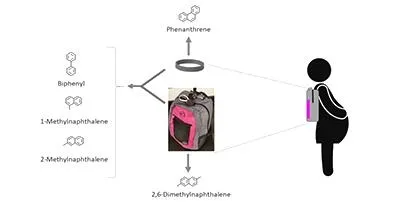
A study by researchers at the Texas A&M University School of Public Health shows that inexpensive and convenient devices such as silicone wristbands can be used to yield quantitative air quality data, which is particularly appealing for periods of susceptibility such as pregnancy.
The research team found that the wristbands, when used as passive samplers, have the ability to bind smaller molecular weight semi-volatile polycyclic aromatic hydrocarbons (PAHs) -- a class of chemicals that occur naturally in coal, crude oil and gasoline and are produced when coal, oil, gas, wood, garbage and tobacco are burned -- in a similar pattern as active sampling.
Published recently in Nature's END
The research team found that the wristbands, when used as passive samplers, have the ability to bind smaller molecular weight semi-volatile polycyclic aromatic hydrocarbons (PAHs) -- a class of chemicals that occur naturally in coal, crude oil and gasoline and are produced when coal, oil, gas, wood, garbage and tobacco are burned -- in a similar pattern as active sampling.
Published recently in Nature's END