Scripps Research receives momentous award from NIH to lead key programs in national All of Us Research Program
The award renews support for Scripps Research Translational Institute and partner organizations involved in expanding one of the largest and most inclusive health data resources of its kind
Published 2023-07-13 · Original archive entry · Explore research explainers
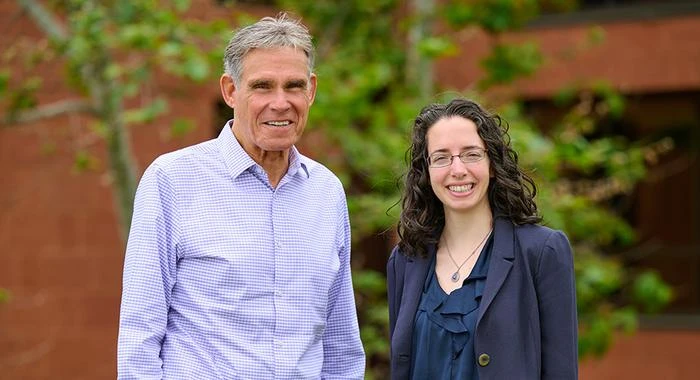
LA JOLLA, CA—Scripps Research announced today that the National Institutes of Health (NIH) has renewed funding for its Translational Institute to continue its work enrolling and engaging participants in the All of Us Research Program. The initial funding of $54 million will support Scripps Research Translational Institute’s work with a nationwide consortium to help build one of the largest, most diverse health research resources of its kind. The project is expected to last five years, with anticipated total funding of $282 million, dependent on annual approval and the availability of funds.
“We are delighted to be part of this historic research effort and immensely grateful to the NIH for our continued collaboration,” says Eric Topol, MD, founder and director of the Scripps Research Translational Institute and principal investigator of the award. “The All of Us Research Program is a monumental undertaking with far-reaching impact and potential to advance individualized medicine.”
The All of Us Research Program is a pioneering research program that has created one of the largest and most diverse health databases of its kind to help accelerate precision medicine and decrease health disparities. Its goal is to enroll and engage at least one million people across the country to expedite medical breakthroughs and improve health for everyone. Since opening enrollment in 2018, All of Us has consented more than 460,000 participants nationwide, with 46% self-identifying with a racial and/or ethnic group historically underrepresented in medical research.
Topol and his colleagues are overseeing The Participant Center, which makes existing aspects of the program more accessible to participants across the country and adds new enrollment, engagement and data collection capabilities. The Participant Center’s activities are conducted utilizing a vast consortium of outreach partners, including blood centers, community health centers, health insurers, health technology companies and many others.
“We are thrilled to continue engaging with communities that reflect the diversity of the United States,” says Julia Moore Vogel, PhD, co-principal investigator and program director of The Participant Center for the All of Us Research Program. “Together with the NIH and our trusted partners, we look forward to furthering the program’s growth, accessibility and data collection.”
The team at Scripps Research is also leading the program’s innovation pipeline pilot called All of Us Participant Labs. This is a dedicated space for innovation, where Scripps Research staff investigate, design and implement novel technologies and participant experiences to boost enrollment, engagement and retention of participants in the program. The team also seeks to improve biosample collection processes and add new research data types to the information that is gathered. Example projects include distributing saliva kits at community partner events and exploring different ways to thank participants for sharing their electronic health record data.
The Scripps Research Translational Institute, which was founded in 2007, has an extensive track record in groundbreaking research involving digital clinical trials, genomics, biosensors and AI—all to understand the uniqueness of each individual and promote their health. It partnered with All of Us beginning in 2016 after receiving an initial award to spearhead enrollment efforts through digital outreach as well as mobile and web apps.
“We are excited to continue supporting the program’s goal of democratizing researcher access to a vast and inclusive data resource. We hope it empowers a wide variety of medical breakthroughs that ultimately result in better disease prevention and treatments for all of us,” says Moore Vogel.
The Participant Center partner organizations include Active Minds, Behavioral Insights Team, BioLinked, Blood Assurance Tennessee Blood Center, Bloodworks Northwest Blood Center, Blue Cross Blue Shield Association, CareEvolution, Cascade Regional Blood Center, CVS, Denver Health, ExamOne, Fitbit, LifeSouth, Mary’s Center, Montage Marketing Group, Nextdoor, Owaves, Pyxis Partners, Quest Diagnostics, San Diego Blood Bank, South Texas Blood & Tissue Blood Center, Suncoast and WebMD.
Scripps Research is funded by National Institutes of Health award: OT2OD035580.
About Scripps Research
Scripps Research is an independent, nonprofit biomedical institute ranked one of the most influential in the world for its impact on innovation by Nature Index. We are advancing human health through profound discoveries that address pressing medical concerns around the globe. Our drug discovery and development division, Calibr, works hand-in-hand with scientists across disciplines to bring new medicines to patients as quickly and efficiently as possible, while teams at Scripps Research Translational Institute harness genomics, digital medicine and cutting-edge informatics to understand individual health and render more effective healthcare. Scripps Research also trains the next generation of leading scientists at our Skaggs Graduate School, consistently named among the top 10 US programs for chemistry and biological sciences. Learn more at www.scripps.edu.
END
“We are delighted to be part of this historic research effort and immensely grateful to the NIH for our continued collaboration,” says Eric Topol, MD, founder and director of the Scripps Research Translational Institute and principal investigator of the award. “The All of Us Research Program is a monumental undertaking with far-reaching impact and potential to advance individualized medicine.”
The All of Us Research Program is a pioneering research program that has created one of the largest and most diverse health databases of its kind to help accelerate precision medicine and decrease health disparities. Its goal is to enroll and engage at least one million people across the country to expedite medical breakthroughs and improve health for everyone. Since opening enrollment in 2018, All of Us has consented more than 460,000 participants nationwide, with 46% self-identifying with a racial and/or ethnic group historically underrepresented in medical research.
Topol and his colleagues are overseeing The Participant Center, which makes existing aspects of the program more accessible to participants across the country and adds new enrollment, engagement and data collection capabilities. The Participant Center’s activities are conducted utilizing a vast consortium of outreach partners, including blood centers, community health centers, health insurers, health technology companies and many others.
“We are thrilled to continue engaging with communities that reflect the diversity of the United States,” says Julia Moore Vogel, PhD, co-principal investigator and program director of The Participant Center for the All of Us Research Program. “Together with the NIH and our trusted partners, we look forward to furthering the program’s growth, accessibility and data collection.”
The team at Scripps Research is also leading the program’s innovation pipeline pilot called All of Us Participant Labs. This is a dedicated space for innovation, where Scripps Research staff investigate, design and implement novel technologies and participant experiences to boost enrollment, engagement and retention of participants in the program. The team also seeks to improve biosample collection processes and add new research data types to the information that is gathered. Example projects include distributing saliva kits at community partner events and exploring different ways to thank participants for sharing their electronic health record data.
The Scripps Research Translational Institute, which was founded in 2007, has an extensive track record in groundbreaking research involving digital clinical trials, genomics, biosensors and AI—all to understand the uniqueness of each individual and promote their health. It partnered with All of Us beginning in 2016 after receiving an initial award to spearhead enrollment efforts through digital outreach as well as mobile and web apps.
“We are excited to continue supporting the program’s goal of democratizing researcher access to a vast and inclusive data resource. We hope it empowers a wide variety of medical breakthroughs that ultimately result in better disease prevention and treatments for all of us,” says Moore Vogel.
The Participant Center partner organizations include Active Minds, Behavioral Insights Team, BioLinked, Blood Assurance Tennessee Blood Center, Bloodworks Northwest Blood Center, Blue Cross Blue Shield Association, CareEvolution, Cascade Regional Blood Center, CVS, Denver Health, ExamOne, Fitbit, LifeSouth, Mary’s Center, Montage Marketing Group, Nextdoor, Owaves, Pyxis Partners, Quest Diagnostics, San Diego Blood Bank, South Texas Blood & Tissue Blood Center, Suncoast and WebMD.
Scripps Research is funded by National Institutes of Health award: OT2OD035580.
About Scripps Research
Scripps Research is an independent, nonprofit biomedical institute ranked one of the most influential in the world for its impact on innovation by Nature Index. We are advancing human health through profound discoveries that address pressing medical concerns around the globe. Our drug discovery and development division, Calibr, works hand-in-hand with scientists across disciplines to bring new medicines to patients as quickly and efficiently as possible, while teams at Scripps Research Translational Institute harness genomics, digital medicine and cutting-edge informatics to understand individual health and render more effective healthcare. Scripps Research also trains the next generation of leading scientists at our Skaggs Graduate School, consistently named among the top 10 US programs for chemistry and biological sciences. Learn more at www.scripps.edu.
END
Attachments