New method enables efficient isolation of raccoon-borne food poisoning pathogen
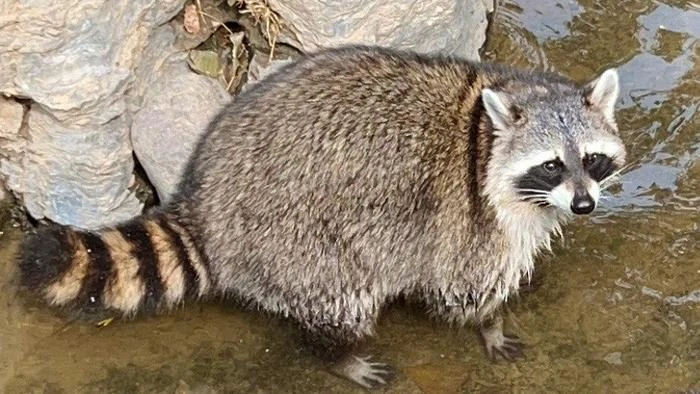
Osaka, Japan – As cute as raccoons may look, their behaviors are troublesome, and so are their droppings. Known to contain Escherichia albertii—a harmful enteropathogen—raccoon feces challenge zoonotic researchers who grapple to isolate this bacterium for further study. Fortunately, Osaka Metropolitan University scientists have come up with a novel culture medium for efficient isolation of E. albertii, making progress toward alleviating this particular raccoon-conveyed threat.
Due to global warming, wildlife habitats are overlapping with human residential areas, raising concerns about the transmission and spread of zoonotic diseases. In recent years, an emerging zoonotic pathogen called E. albertii—transmitted by wild animals such as raccoons—has garnered attention due to its remarkable similarities to several strains of Escherichia coli (E. coli), including O157, and its potential for causing severe illness, particularly in children. However, characteristics of this bacterium, including its infection routes and antibiotic resistance status, remain unclear.
To identify the route of infection, it is essential to isolate and then investigate E. albertii from specimens of wild animals acting as vectors. However, the quantity of E. albertii in samples sourced from raccoons is often minuscule, making its extraction an ongoing challenge.
Addressing this issue, a research group led by Professor Shinji Yamasaki of the Graduate School of Veterinary Science at Osaka Metropolitan University has developed a novel culture medium that selectively promotes the growth of E. albertii from raccoon fecal samples. They succeeded in isolating E. albertii at a rate as high as 48%, even from samples with very low quantities of this bacterium.
Professor Yamasaki explained, “The selective enrichment medium developed in this study is expected to provide better insights into the epidemiology of E. albertii, facilitating improved control of food poisoning.”
Their findings were published in the Journal of Applied Microbiology.
###
About OMU
Osaka Metropolitan University is a new public university established in April 2022, formed by merger between Osaka City University and Osaka Prefecture University. For more research news, visit https://www.omu.ac.jp/en/ or follow @OsakaMetUniv_en and #OMUScience.
END