No evidence that England’s new ‘biodiversity boost’ planning policy will help birds or butterflies
Published 2024-06-28 · Original archive entry · Explore research explainers
A new legal requirement for developers to demonstrate a biodiversity boost in planning applications could make a more meaningful impact on nature recovery if improvements are made to the way nature’s value is calculated, say researchers at the University of Cambridge.
From 2024, the UK’s Environment Act requires planning applications to demonstrate an overall biodiversity net gain of at least 10% as calculated using a new statutory biodiversity metric.
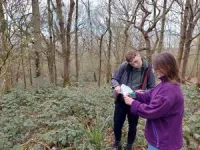
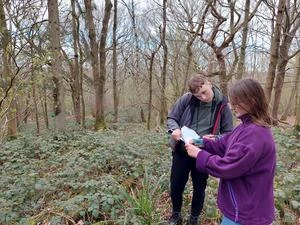
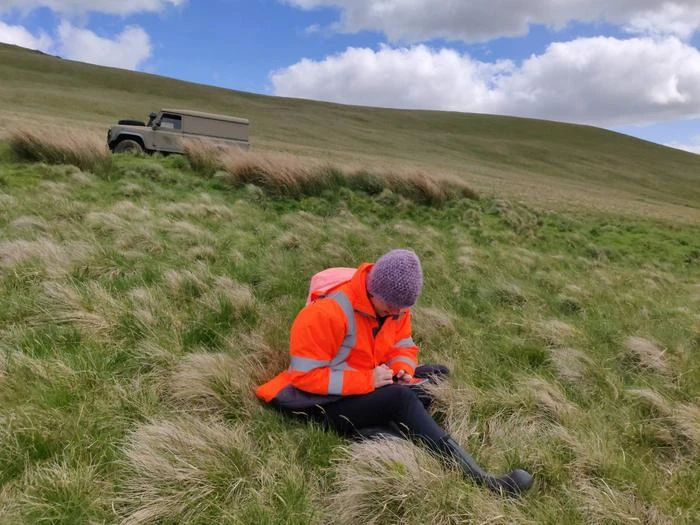
The researchers trialled the metric by using it to calculate the biodiversity value of 24 sites across England. These sites have all been monitored over the long-term, allowing the team to compare biodiversity species data with results from the metric.
Plant biodiversity at the sites matched values produced using the metric, but bird and butterfly biodiversity did not.
This means there’s no evidence that a 10% net biodiversity gain calculated using the statutory biodiversity metric will translate into real-life gains for birds and butterflies, without additional conservation management.
This is the first comprehensive study of the performance of Defra’s statutory biodiversity metric across England. The results are published today in the Journal of Applied Ecology.
Plants, birds and butterflies have been comprehensively surveyed in England over many years, and are used as indicators for the national state of nature.
The researchers say the metric must be improved to better capture the intricacies of the different species within an ecosystem.
“The statutory biodiversity metric is a really important opportunity, and has potential to direct a lot of money into biodiversity conservation from developers. It’s the responsibility of conservationists and policy makers to ensure that it provides a reliable indication of nature’s diversity,” said Dr Cicely Marshall in the University of Cambridge’s Department of Plant Sciences, first author of the paper.
She added: “At the moment the metric does capture plant diversity quite well, but it doesn’t reflect the intricacies of ecosystems – species like birds and butterflies use habitats in very different ways.”
The metric, created by the UK Government’s Department for Environment, Food and Rural Affairs (Defra), was introduced as part of the Environment Act with its legally binding agenda to deliver “the most ambitious environmental programme of any country on earth.” It scores the condition and distinctiveness of a piece of land to calculate its biodiversity value in standardised ‘biodiversity units.’
This allows developers to project biodiversity losses and gains across a site, so they can ensure the development achieves an overall minimum 10% biodiversity gain. Landowners can use the tool to calculate the biodiversity value of their land.
Marshall, who is also a Research Fellow at King’s College, Cambridge, said: “Many property developments have been very detrimental to nature in the past, and it’s exciting that England now has a requirement for developers to leave nature in a better state than they found it.
“We hope our study will contribute to improving the way nature’s value is calculated, to make the most of this valuable opportunity for nature recovery.”
The results of the study have been used to make recommendations to Defra and Natural England to help improve the metric.
The metric uses habitat as a proxy for biodiversity, scoring habitats’ intrinsic distinctiveness and current condition. Plans for biodiversity gain can involve replacing lost habitat with similar habitat - the researchers say that nature recovery could be improved if the particular species and habitats impacted by a development were also taken into account in this process.
There can be huge differences in biodiversity across habitats like croplands, for example, and these aren’t captured by the metric which assigns all cropland the same condition score. Conventional farms that regularly use artificial pesticides and herbicides have much lower biodiversity than organic farms that do not.
“There are great differences in the ecological value of cropland depending on how it’s managed, but the metric gives all cropland a low biodiversity score. It would be nice to see these differences reflected,” said Marshall.
The UK is committed to building 300,000 homes a year by mid-2020, so the net biodiversity gain requirement is expected to generate a market for biodiversity credits worth an estimated £135m-£274m annually – substantially increasing funding for nature conservation in England.
END
From 2024, the UK’s Environment Act requires planning applications to demonstrate an overall biodiversity net gain of at least 10% as calculated using a new statutory biodiversity metric.
The researchers trialled the metric by using it to calculate the biodiversity value of 24 sites across England. These sites have all been monitored over the long-term, allowing the team to compare biodiversity species data with results from the metric.
Plant biodiversity at the sites matched values produced using the metric, but bird and butterfly biodiversity did not.
This means there’s no evidence that a 10% net biodiversity gain calculated using the statutory biodiversity metric will translate into real-life gains for birds and butterflies, without additional conservation management.
This is the first comprehensive study of the performance of Defra’s statutory biodiversity metric across England. The results are published today in the Journal of Applied Ecology.
Plants, birds and butterflies have been comprehensively surveyed in England over many years, and are used as indicators for the national state of nature.
The researchers say the metric must be improved to better capture the intricacies of the different species within an ecosystem.
“The statutory biodiversity metric is a really important opportunity, and has potential to direct a lot of money into biodiversity conservation from developers. It’s the responsibility of conservationists and policy makers to ensure that it provides a reliable indication of nature’s diversity,” said Dr Cicely Marshall in the University of Cambridge’s Department of Plant Sciences, first author of the paper.
She added: “At the moment the metric does capture plant diversity quite well, but it doesn’t reflect the intricacies of ecosystems – species like birds and butterflies use habitats in very different ways.”
The metric, created by the UK Government’s Department for Environment, Food and Rural Affairs (Defra), was introduced as part of the Environment Act with its legally binding agenda to deliver “the most ambitious environmental programme of any country on earth.” It scores the condition and distinctiveness of a piece of land to calculate its biodiversity value in standardised ‘biodiversity units.’
This allows developers to project biodiversity losses and gains across a site, so they can ensure the development achieves an overall minimum 10% biodiversity gain. Landowners can use the tool to calculate the biodiversity value of their land.
Marshall, who is also a Research Fellow at King’s College, Cambridge, said: “Many property developments have been very detrimental to nature in the past, and it’s exciting that England now has a requirement for developers to leave nature in a better state than they found it.
“We hope our study will contribute to improving the way nature’s value is calculated, to make the most of this valuable opportunity for nature recovery.”
The results of the study have been used to make recommendations to Defra and Natural England to help improve the metric.
The metric uses habitat as a proxy for biodiversity, scoring habitats’ intrinsic distinctiveness and current condition. Plans for biodiversity gain can involve replacing lost habitat with similar habitat - the researchers say that nature recovery could be improved if the particular species and habitats impacted by a development were also taken into account in this process.
There can be huge differences in biodiversity across habitats like croplands, for example, and these aren’t captured by the metric which assigns all cropland the same condition score. Conventional farms that regularly use artificial pesticides and herbicides have much lower biodiversity than organic farms that do not.
“There are great differences in the ecological value of cropland depending on how it’s managed, but the metric gives all cropland a low biodiversity score. It would be nice to see these differences reflected,” said Marshall.
The UK is committed to building 300,000 homes a year by mid-2020, so the net biodiversity gain requirement is expected to generate a market for biodiversity credits worth an estimated £135m-£274m annually – substantially increasing funding for nature conservation in England.
END
Attachments