PRESS-NEWS.org - Press Release Distribution
PRESS RELEASES DISTRIBUTION

LA BioMed research finds hallucinogen can safely ease anxiety in advanced-stage cancer patients
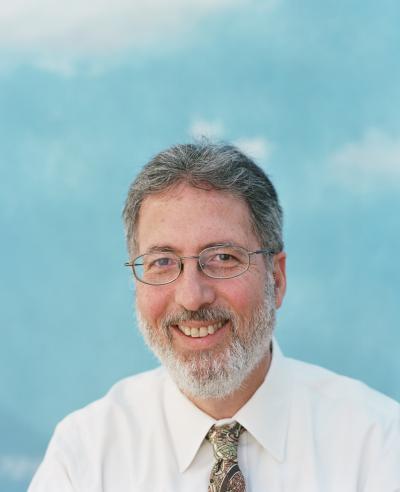
First published study of its kind in 37 years finds improved mood in volunteers receiving psilocybin

LA BioMed research finds hallucinogen can safely ease anxiety in advanced-stage cancer patients
2010-09-07
(Press-News.org) LOS ANGELES (Sept. 6, 2010) – In the first human study of its kind to be published in more than 35 years, researchers found psilocybin, an hallucinogen which occurs naturally in "magic mushrooms," can safely improve the moods of patients with advanced-stage cancer and anxiety, according to an article published online today in the Archives of General Psychiatry.

Patients enrolled in the study at the Los Angeles Biomedical Research Institute at Harbor-UCLA Medical Center (LA BioMed) demonstrated improvement of mood and reduction of anxiety up to six months after undergoing treatment, with significance reached at the six-month point on the "Beck Depression Inventory" and at one and three months on the "State-Trait Anxiety Inventory." A third screening tool, the "Profile of Mood States," identified mood improvement after treatment that approached but did not reach significance.

"We are working with a patient population that often does not respond well to conventional treatments," said Charles S. Grob, MD, an LA BioMed principal investigator who led the research team. "Following their treatments with psilocybin, the patients and their families reported benefit from the use of this hallucinogen in reducing their anxiety. This study shows psilocybin can be administered safely, and that further investigation of hallucinogens should be pursued to determine their potential benefits."

Researchers conducted extensive investigations of psychedelic drugs in the 1950s and 1960s and found promising improvements in mood and anxiety, as well as a diminished need for narcotic pain medication among advanced-stage cancer patients. The research was abandoned in the early 1970s in the wake of widespread recreational usage that led to stiff federal laws regulating hallucinogens.

"Political and cultural pressures forced an end to these studies in the 1970s," said Dr. Grob. "We were able to revive this research under strict federal supervision and demonstrate that this is a field of study with great promise for alleviating anxiety and other psychiatric symptoms."

The LA BioMed study is the first research publication in several decades to examine the hallucinogen treatment model with advanced-cancer anxiety. Twelve volunteers, ages 36 to 58, with advanced-stage cancer and anxiety were given a moderate dose of 0.2 mg/kg of psilocybin and, on a separate occasion, a placebo. Neither the volunteers nor the researchers monitoring them knew whether they'd been given a placebo or psilocybin.

The two experimental sessions took place several weeks apart in a hospital clinical research unit at Harbor-UCLA Medical Center, where Dr. Grob is a professor of psychiatry. The research volunteers were monitored for the six hours following their dose. The volunteers were encouraged to lie in bed, wear eye shades and listen to music during the first few hours after ingesting the medication or the placebo. They were interviewed after the six-hour session and over the next six months to assess the outcome of the treatment.


INFORMATION:


To see interviews with two of the research volunteers, please visit:

http://www.doc-jukebox.com/film/medical-research-psychedelics/annies-psilocybin-therapy
http://blip.tv/file/510857

This study was funded by the Heffter Research Institute, the Betsy Gordon Foundation and the Nathan Cummings Foundation (with the support and encouragement of James R. Cummings). Infrastructural support for this study was provided via grant M01-RR00425 from the National Institutes of Health for the General Clinical Research Unit at LA BioMed.

About LA BioMed

Founded in 1952, LA BioMed is one of the country's leading nonprofit independent biomedical research institutes. It has more than 150 fulltime and part-time researchers conducting studies into improved treatments and cures for cancer, inherited diseases, infectious diseases, illnesses caused by environmental factors and more. It also educates young scientists and provides community services, including immunization and childhood nutrition programs. LA BioMed is academically affiliated with the David Geffen School of Medicine at UCLA and located on the campus of Harbor-UCLA Medical Center. For more information, please visit www.LABioMed.org


[Attachments] See images for this press release:
LA BioMed research finds hallucinogen can safely ease anxiety in advanced-stage cancer patients

ELSE PRESS RELEASES FROM THIS DATE:

These cells will self-destruct in 5 ... 4 ...

These cells will self-destruct in 5 ... 4 ...
2010-09-07
Cancer is a difficult disease to treat because it's a personal disease. Each case is unique and based on a combination of environmental and genetic factors. Conventional chemotherapy employs treatment with one or more drugs, assuming that these medicines are able to both "diagnose" and "treat" the affected cells. Many of the side effects experienced by chemotherapy patients are due to the fact that the drugs they are taking aren't selective enough. For instance, taking a drug that targets fast-growing tumor cells frequently results in hair loss, because cells in the ...

Combining medication and psychosocial treatments may benefit patients with early stage schizophrenia

2010-09-07
Patients with early-stage schizophrenia who receive a combination of medication and a psychosocial intervention appear less likely to discontinue treatment or relapse—and may have improved insight, quality of life and social functioning—than those taking medication alone, according to a report in the September issue of Archives of General Psychiatry, one of the JAMA/Archives journals. Antipsychotic drugs are the mainstay of therapy for patients with schizophrenia, but long-term therapy is associated with adverse effects and poor adherence, according to background information ...

Compounds in nonstick cookware may be associated with elevated cholesterol in children and teens

2010-09-07
Children and teens with higher blood levels of chemicals used in the production of non-stick cookware and waterproof fabrics appear more likely to have elevated total and LDL cholesterol levels, according to a report in the September issue of Archives of Pediatrics & Adolescent Medicine, one of the JAMA/Archives journals. Humans are exposed to the man-made compounds known as perfluoroalkyl acids—including perfluorooctanoic acid (PFOA) and perfluorooctanesulfonate (PFOS)—through drinking water, dust, food packaging, breast milk, cord blood, microwave popcorn, air and occupational ...

Parents at highest risk for depression in the 1st year after child's birth

2010-09-07
More than one-third of mothers and about one-fifth of fathers in the United Kingdom appear to experience an episode of depression between their child's birth and 12th year of age, with the highest rates in the first year after birth, according to a report posted online today that will appear in the November print issue of Archives of Pediatrics & Adolescent Medicine, one of the JAMA/Archives journals. "Depression in parents is associated with adverse behavioral, developmental and cognitive outcomes in their children," the authors write as background information in the ...

Critically endangered whales flee Russian oil, gas boom

2010-09-07
Gland, Switzerland - Russian oil and gas company Rosneft is conducting oil and gas exploration work that may have caused the critically endangered western gray whale to flee its main feeding ground. Tests and offshore installment of equipment by Rosneft for a major seismic survey began in late August, despite repeated calls from 12 governments, NGOs, scientists and the public to postpone the survey because of potential risks to the whales. Rosneft started preparations for the survey last month near Sakhalin Island even though a small number of western gray whales ...

Gambling on breast scans

2010-09-07
A mathematical tool known as a Monte Carlo analysis could help improve the way X-rays are used for mammography and reduce the number of breast cancers missed by the technique as well as avoiding false positives, according to research published this month in the International Journal of Low Radiation. Worldwide, breast cancer represents one in ten of all cancers among women, with the exception of skin cancer, making it the most common form of non-skin cancer. It is the fifth most common cause of cancer death accounting for more than half a million deaths worldwide. The ...

Is organic farming good for wildlife? It depends on the alternative

2010-09-07
Even though organic methods may increase farm biodiversity, a combination of conventional farming and protected areas could sometimes be a better way to maintain food production and protect wildlife. The findings come from a study of butterfly populations in UK landscapes by scientists at the Universities of Leeds and York. They found that organic farms have more butterflies than conventional farms, but that a conventional farm plus an area specifically managed for wildlife could support more butterflies, and produce the same amount of food, from the same area of land. ...

Cockroach brains could be rich stores of new antibiotics

2010-09-07
Cockroaches could be more of a health benefit than a health hazard according to scientists from The University of Nottingham. Experts from the School of Veterinary Medicine and Science have discovered powerful antibiotic properties in the brains of cockroaches and locusts which could lead to novel treatments for multi-drug resistant bacterial infections. They found that the tissues of the brain and nervous system of the insects were able to kill more than 90 per cent of MRSA and pathogenic Escherichia coli, without harming human cells. Simon Lee, a postgraduate researcher ...

Three-quarters of new solar systems worldwide were installed in the EU in 2009

2010-09-07
In 2009, newly installed photovoltaic (PV) cells world-wide produced a peak amount of electricity estimated at 7.4 GW, out of which 5.8 GW was located in Europe. Similarly to previous years, this shows the EU's dominance, where more than three quarters of the world's new solar systems were installed. By the end of 2009, Europe's cumulative installed PV electricity generation capacity (existing and newly installed) was 16 GW, which is about 70% of the world's total (22GW). These are just some of the findings of the ninth annual Photovoltaics Status Report published today ...

Inflammation is associated with lower intelligence and premature death

2010-09-07
Stockholm, 6 September, 2010 - Inflammation is associated with lower intelligence and premature death, according to Swedish scientists from the Karolinska Institute in Stockholm, Sweden. "Those with low-grade inflammation performed more poorly on standardised intelligence tests, even after excluding those with signs of current illness. Inflammation also predicted an increased risk of premature death," said lead researcher Dr Hakan Karlsson. The research, recently published in Brain, Behavior and Immunity (August, 24:868-873), used large population-based registers containing ...

LAST 30 PRESS RELEASES:

Chonnam National University researchers propose innovative voltage-loop control for power factor correction

Accelerating next-generation drug discovery with click-based construction of PROTACs

Detecting the hidden magnetism of altermagnets

$7M gift supports health research, engineering and athletics at UT San Antonio

NU-9 halts Alzheimer’s disease in animal model before symptoms begin

Hospitals acquired by real estate investment trusts associated with greater risk of bankruptcy, closure

City of Hope scientists study rare disorder to uncover mechanism and hormone regulation underlying fatty liver disease and sweet aversion

Your genes may influence gut microbiome of others, rat study shows

‘Personality test’ shows how AI chatbots mimic human traits – and how they can be manipulated

Global food systems driving twin crises of obesity and global heating

Osaka Medical and Pharmaceutical University researchers capture real-time molecular movies of enzyme catalysis

Could your genes influence the gut microbiome of others?

Clues to Alzheimer’s disease may be hiding in our ‘junk’ DNA

Study reveals that the body uses different sensors to detect cold in the skin and in internal organs

iPS cells from dish to freezer and back

Deep neural networks enable accurate pricing of American options under stochastic volatility

Collective risk resonance in Chinese stock sectors uncovered through higher-order network analysis

Does CPU impact systemic risk contributions of Chinese sectors? Evidence from mixed frequency methods with asymmetric tail long memory

General intelligence framework to predict virus adaptation based on a genome language model

Antibiotic resistance is ancient, ecological, and deeply connected to human activity, new review shows

Vapes, pouches, heated tobacco, shisha, cigarettes: nicotine in all forms is toxic to the heart and blood vessels

From powder to planet: University of Modena engineers forge a low-carbon future for advanced metal manufacturing

Super strain-resistant superconductors

Pre-school health programme does not improve children’s diet or physical activity, prompting call for policy changes, study finds

Autumn clock change linked to reduction in certain health conditions

AI images of doctors can exaggerate and reinforce existing stereotypes

Where medicine meets melody – how lullabies help babies and parents in intensive care

We may never be able to tell if AI becomes conscious, argues philosopher

AI video translation shows promise but humans still hold the edge

Deep ocean earthquakes drive Southern Ocean’s massive phytoplankton blooms, study finds

[Press-News.org] LA BioMed research finds hallucinogen can safely ease anxiety in advanced-stage cancer patients
First published study of its kind in 37 years finds improved mood in volunteers receiving psilocybin