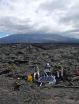
First-ever 3D image created of the structure beneath Sierra Negra volcano
The Galápagos Islands are home to some of the most active volcanoes in the world, with more than 50 eruptions in the last 200 years. Yet until recently, scientists knew far more about the history of finches, tortoises, and iguanas than of the volcanoes on which these unusual fauna had evolved. Now research out of the University of Rochester is providing a better picture of the subterranean plumbing system that feeds the Galápagos volcanoes, as well as a major difference with another Pacific Island chain—the Hawaiian Islands. The findings have been published in the Journal ...
Read the release