In first moments of infection, a division and a decision
UC San Diego scientists explain how and when T cells become effector or memory lymphocytes
2014-03-02
(Press-News.org) Using technologies and computational modeling that trace the destiny of single cells, researchers at the University of California, San Diego School of Medicine describe for the first time the earliest stages of fate determination among white blood cells called T lymphocytes, providing new insights that may help drug developers create more effective, longer-lasting vaccines against microbial pathogens or cancer.
The findings are published in the March 2, 2014 online issue of Nature Immunology.
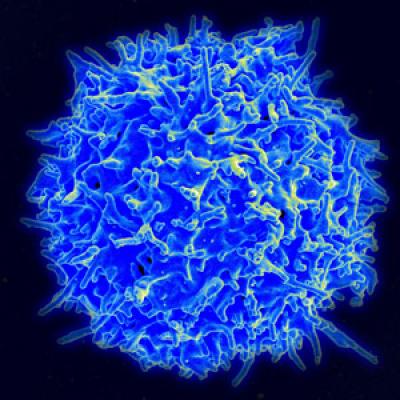
Naïve T lymphocytes patrol the front lines of the human body’s defense against infection, circulating in blood and tissues, searching for invasive microbes and other foreign antigens. They’re called “naïve” because they have not yet encountered an invader. When they do, these T cells activate and divide, giving rise to two types of daughter cells: “effector lymphocytes” responsible for immediate host defense and “memory lymphocytes” that provide long-term protection from similar infections.
“Researchers have been trying for a very long time to understand when and how T lymphocytes give rise to effector and memory cells during an infection,” said John T. Chang, MD, assistant professor in the Department of Medicine and the study’s co-principal investigator, along with Gene W. Yeo, PhD, assistant professor in the Department of Cellular and Molecular Medicine and Institute for Genomic Medicine.
However, all studies up to this point were based on analyses on bulk populations of cells, making it impossible to understand fate decisions made by individual cells. First authors Janilyn Arsenio, a postdoctoral fellow in the Chang lab and Boyko Kakaradov, a graduate student in the Yeo lab and UCSD Bioinformatics graduate program said that they took advantage of recent technological advances in single-cell gene expression profiling and cutting-edge machine-learning algorithms to address this question on a level of detail that was not previously possible.
Chang, Yeo and colleagues discovered that the decision by an individual T cell to produce effector and memory cells is made almost at the moment of infection. “The ‘mother’ lymphocyte seems to divide into two daughter cells that are already different from birth,” said Chang, “with one becoming an effector cell while its sister becomes a memory cell.”
Chang noted that the primary purpose of vaccines is to produce strong and durable immune protection, which depends heavily upon generation of memory lymphocytes. “Our work suggests that the way T lymphocytes divide early during a microbial infection might be critical to whether or not they give rise to long-lived memory cells. Strategies that improve this process could potentially enhance durable immunity and help us to design more effective vaccines.”
INFORMATION:
Co-authors of the study include Janilyn Arsenio, Patrick J. Metz and Stephanie H. Kim, UCSD Department of Medicine; Boyko Kakaradov, UCSD Department of Cellular and Molecular Medicine, UCSD Stem Cell and Bioinformatics programs and Institute for Genomic Medicine, UCSD; and Gene W. Yeo, UCSD Department of Cellular and Molecular Medicine, UCSD Stem Cell and Bioinformatics programs and Institute for Genomic Medicine, UCSD and National University of Singapore and Genome Institute of Singapore.
Funding for this research came, in part, from National Institutes of Health (grants DK080949, OD008469, AI095277, HG004659 and NS075449), UCSD Digestive Diseases Research Development Center, the California Institute for Regenerative Medicine, the National Science Foundation, the Alfred P. Sloan Foundation and the Howard Hughes Medical Institute.
Media contact: Scott LaFee, 619-543-6163, slafee@ucsd.edu END
ELSE PRESS RELEASES FROM THIS DATE:
European flood risk could double by 2050
2014-03-02
Losses from extreme floods in Europe could more than double by 2050, because of climate change and socioeconomic development. Understanding the risk posed by large-scale floods is of growing importance and will be key for managing climate adaptation.
Current flood losses in Europe are likely to double by 2050, according to a new study published in the journal Nature Climate Change by researchers from the International Institute for Applied Systems Analysis (IIASA), the Institute for Environmental Studies in Amsterdam, and other European research centers. Socioeconomic ...
Optical nano-tweezers take over the control of nano-objects
2014-03-02
As science and technology go nano, scientists search for new tools to manipulate, observe and modify the "building blocks" of matter at the nanometer scale. With this in mind, the recent publication in Nature Nanotechnology in which ICFO researchers demonstrate for the first time the ability to use near-field optical tweezers to trap a nano-size object and manipulate it in the 3 dimensions of space, is an exciting achievement. Romain Quidant, ICREA Professor and leader at ICFO of the Plasmon Nano-Optics research group comments that "this technique could revolutionize the ...
Detecting levels of antibiotics in blood paves the way to individualized treatment
2014-03-02
A new methodology for rapidly measuring the level of antibiotic drug molecules in human blood serum has been developed, paving the way to applications within drug development and personalised medicine.
The study, published today in Nature Nanotechnology, describes the exploitation of a sensor for measuring the concentration of effective antibiotics in blood, giving an indication of their efficiency against disease causing pathogens, for instance multidrug resistant hospital "superbugs".
This development could potentially give a far greater understanding of the effectiveness ...
Newly discovered catalyst could lead to the low-cost production of clean methanol
2014-03-02
An international research team has discovered a potentially clean, low-cost way to convert carbon dioxide into methanol, a key ingredient in the production of plastics, adhesives and solvents, and a promising fuel for transportation.
Scientists from Stanford University, SLAC National Accelerator Laboratory and the Technical University of Denmark combined theory and experimentation to identify a new nickel-gallium catalyst that converts hydrogen and carbon dioxide into methanol with fewer side-products than the conventional catalyst. The results are published in the ...
Imaging dynamics of small biomolecules inside live cells
2014-03-02
Researchers at Columbia University have made a significant step toward visualizing small biomolecules inside living biological systems with minimum disturbance, a longstanding goal in the scientific community. In a study published March 2nd in Nature Methods, Assistant Professor of Chemistry Wei Min's research team has developed a general method to image a broad spectrum of small biomolecules, such as small molecular drugs and nucleic acids, amino acids, lipids for determining where they are localized and how they function inside cells.
When studying biological functions ...
Global warming felt to deepest reaches of ocean
2014-03-02
In the mid-1970s, the first available satellite images of Antarctica during the polar winter revealed a huge ice-free region within the ice pack of the Weddell Sea. This ice-free region, or polynya, stayed open for three full winters before it closed.
Subsequent research showed that the opening was maintained as relatively warm waters churned upward from kilometres below the ocean's surface and released heat from the ocean's deepest reaches. But the polynya -- which was the size of New Zealand -- has not reappeared in the nearly 40 years since it closed, and scientists ...
Study pinpoints protective mutations for type 2 diabetes
2014-03-02
An international team led by researchers at the Broad Institute and Massachusetts General Hospital (MGH) has identified mutations in a gene that can reduce the risk of developing type 2 diabetes, even in people who have risk factors such as obesity and old age. The results focus the search for developing novel therapeutic strategies for type 2 diabetes; if a drug can be developed that mimics the protective effect of these mutations, it could open up new ways of preventing this devastating disease.
Type 2 diabetes affects over 300 million people worldwide and is rising ...
Research reveals first glimpse of brain circuit that helps experience to shape perception
2014-03-02
Cold Spring Harbor, NY – Odors have a way of connecting us with moments buried deep in our past. Maybe it is a whiff of your grandmother's perfume that transports you back decades. With that single breath, you are suddenly in her living room, listening as the adults banter about politics. The experiences that we accumulate throughout life build expectations that are associated with different scents. These expectations are known to influence how the brain uses and stores sensory information. But researchers have long wondered how the process works in reverse: how do our ...
Study of antibody evolution charts course toward HIV vaccine
2014-03-02
In an advance for HIV vaccine research, a scientific team has discovered how the immune system makes a powerful antibody that blocks HIV infection of cells by targeting a site on the virus called V1V2. Many researchers believe that if a vaccine could elicit potent antibodies to a specific conserved site in the V1V2 region, one of a handful of sites that remains constant on the fast-mutating virus, then the vaccine could protect people from HIV infection. Analyses of the results of a clinical trial of the only experimental HIV vaccine to date to have modest success in people ...
Itsabelly has Partnered with Green Child Magazine
2014-03-02
Itsabelly, founded by Melissa Moog, has partnered with Green Child Magazine to curate a baby safety guide. The baby safety guide is comprised of baby products made by eco-savvy companies with the safest materials possible. The products chosen were based on certain categories as well as criteria. The categories include the use of non-toxic materials, safety, innovation, quality, functionality and style. Some of the brands and products in this eco friendly guide to baby safety include : Ergo Baby, DrGreene.com, Earth Mama Angel Baby and Orbit Baby.
Moog, who is also the ...
LAST 30 PRESS RELEASES:
How rice plants tell head from toe during early growth
Scientists design solar-responsive biochar that accelerates environmental cleanup
Construction of a localized immune niche via supramolecular hydrogel vaccine to elicit durable and enhanced immunity against infectious diseases
Deep learning-based discovery of tetrahydrocarbazoles as broad-spectrum antitumor agents and click-activated strategy for targeted cancer therapy
DHL-11, a novel prieurianin-type limonoid isolated from Munronia henryi, targeting IMPDH2 to inhibit triple-negative breast cancer
Discovery of SARS-CoV-2 PLpro inhibitors and RIPK1 inhibitors with synergistic antiviral efficacy in a mouse COVID-19 model
Neg-entropy is the true drug target for chronic diseases
Oxygen-boosted dual-section microneedle patch for enhanced drug penetration and improved photodynamic and anti-inflammatory therapy in psoriasis
Early TB treatment reduced deaths from sepsis among people with HIV
Palmitoylation of Tfr1 enhances platelet ferroptosis and liver injury in heat stroke
Structure-guided design of picomolar-level macrocyclic TRPC5 channel inhibitors with antidepressant activity
Therapeutic drug monitoring of biologics in inflammatory bowel disease: An evidence-based multidisciplinary guidelines
New global review reveals integrating finance, technology, and governance is key to equitable climate action
New study reveals cyanobacteria may help spread antibiotic resistance in estuarine ecosystems
Around the world, children’s cooperative behaviors and norms converge toward community-specific norms in middle childhood, Boston College researchers report
How cultural norms shape childhood development
University of Phoenix research finds AI-integrated coursework strengthens student learning and career skills
Next generation genetics technology developed to counter the rise of antibiotic resistance
Ochsner Health hospitals named Best-in-State 2026
A new window into hemodialysis: How optical sensors could make treatment safer
High-dose therapy had lasting benefits for infants with stroke before or soon after birth
‘Energy efficiency’ key to mountain birds adapting to changing environmental conditions
Scientists now know why ovarian cancer spreads so rapidly in the abdomen
USF Health launches nation’s first fully integrated institute for voice, hearing and swallowing care and research
Why rethinking wellness could help students and teachers thrive
Seabirds ingest large quantities of pollutants, some of which have been banned for decades
When Earth’s magnetic field took its time flipping
Americans prefer to screen for cervical cancer in-clinic vs. at home
Rice lab to help develop bioprinted kidneys as part of ARPA-H PRINT program award
Researchers discover ABCA1 protein’s role in releasing molecular brakes on solid tumor immunotherapy
[Press-News.org] In first moments of infection, a division and a decisionUC San Diego scientists explain how and when T cells become effector or memory lymphocytes