Kinder, gentler med school: Students less depressed, learn more
Curriculum changes, resilience training lowers anxiety, SLU research shows
Published 2014-03-31 · Original archive entry · Explore research explainers
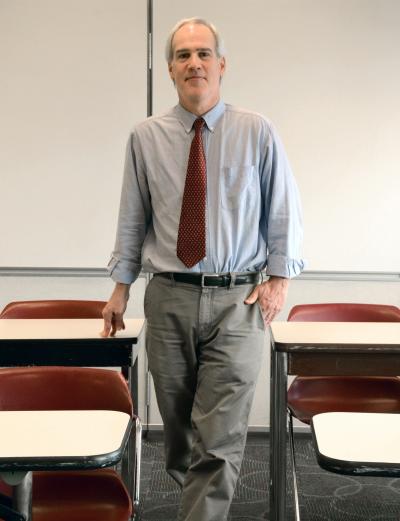
ST. LOUIS -- Removing pressure from medical school while teaching students skills to manage stress and bounce back from adversity improves their mental health and boosts their academic achievement, Saint Louis University research finds.
Stuart Slavin, M.D., M.Ed., associate dean for curriculum at SLU School of Medicine, is the lead author of the paper, which is published the April edition of Academic Medicine. The problem of depression among medical school students is significant, Slavin said, affecting between 20 and 30 percent of medical students in the U.S., and potentially compromising their mental health for years to come.
The study looks at the well-being of first and second year students before and after changes to Saint Louis University's medical school curriculum that are designed to prevent depression, stress and anxiety. It compared the performance of five classes of 175 to 178 students – two before the changes and three after – measured at medical school orientation, the end of year one and the end of year two.
"We've seen dramatic improvement in the mental health of our students. Depression rates in first year medical students went from 27 percent to 11 percent and anxiety dropped from 55 percent to 31 percent. At the same time, our Step 1 board scores went up, meaning student performance improved," Slavin said. "Our students know more, and will be in a better situation, emotionally, to care for our patients."
The first of many licensing exams, the Step 1 boards are given to medical school students at the end of their second year to assess whether students can apply basic science concepts to medical questions. Scores help determine admission to residency programs.
For about 60 years, administrators have recognized the number of students who feel depressed or anxious increases during their time in medical school, Slavin said.
"For many years, nobody did anything about it," he said. "Then, the first approach to addressing the problem was to get students better access to psychiatric and mental health services. That was followed by schools adding activities that encourage wellness and teamwork, such as Olympics-style athletic competitions and optional wellness seminars. While those things are great, they're not enough."
SLU administrators decided to take stress reduction beyond offering resources and wellness activities. They started by asking student why they felt anxious and depressed.
"We decided to design and implement curricular changes that would directly address these stressors and would produce a less toxic educational environment," Slavin said.
Without sacrificing critical educational components, SLU changed its curriculum to remove unnecessary stressors, a dramatic paradigm shift from seeing stress as an inevitable part of the path to becoming a doctor, and added a required class that teaches strategies to de-stress, Slavin said.
"The approach is preventive and the model is very simple. We tried to reduce or eliminate unnecessary stressors in the learning environment itself. At the same time, we helped students develop skills in resilience and mindfulness to better manage stress and find some measure of well-being."
The curriculum was changed so students receive pass or fail grades for their pre-clinical courses in the first two years of medical school, which is a practice adopted at about 40 other medical schools, rather than letter grades or honors/ near honors grading systems. They spend fewer hours in the classroom, giving them more free time, choice and control over their schedules to explore expanded electives and engage in newly established learning communities. In addition, SLU modified the content of some classes and the order they were taught.
Students also take a short, focused course that helps them develop lifelong strategies to cope with stress.
The class teaches students to better manage energy by taking breaks, sleeping, eating properly and exercising; being mindful or paying close attention to what's happening in the present moment; reframing their perspective to be more realistic; recognizing negativity; controlling their reactions to situations; and cultivating a positive and optimistic outlook that ultimately leads to more happiness and personal satisfaction.
In addition to exhibiting lower rates of depression symptoms and less anxiety and stress, students who followed the new curriculum felt more connected to each other than the pre-change group.
It's important to our health care system to address depression and stress among medical school students, Slavin said.
"Physician depression and burnout are significant problems in the United States and may rightly be viewed as a substantial public health problem, particularly given the evidence of the negative impact that mental health can have on clinical care by reducing physician empathy and increasing rates of medical error," he said.
"Unfortunately strong evidence supports that the seeds of these mental health problems are planted in medical school."
The lessons learned from the curriculum changes can be applied in any high pressure environment – from high schools to the most competitive law firm, Slavin believes.
"Everybody is feeling so much stress these days. We need to try to find ways to prevent it when possible and better deal with stress when we can't."
INFORMATION: Established in 1836, Saint Louis University School of Medicine has the distinction of awarding the first medical degree west of the Mississippi River. The school educates physicians and biomedical scientists, conducts medical research, and provides health care on a local, national and international level. Research at the school seeks new cures and treatments in five key areas: infectious disease, liver disease, cancer, heart/lung disease, and aging and brain disorders.
Stuart Slavin, M.D., M.Ed., associate dean for curriculum at SLU School of Medicine, is the lead author of the paper, which is published the April edition of Academic Medicine. The problem of depression among medical school students is significant, Slavin said, affecting between 20 and 30 percent of medical students in the U.S., and potentially compromising their mental health for years to come.
The study looks at the well-being of first and second year students before and after changes to Saint Louis University's medical school curriculum that are designed to prevent depression, stress and anxiety. It compared the performance of five classes of 175 to 178 students – two before the changes and three after – measured at medical school orientation, the end of year one and the end of year two.
"We've seen dramatic improvement in the mental health of our students. Depression rates in first year medical students went from 27 percent to 11 percent and anxiety dropped from 55 percent to 31 percent. At the same time, our Step 1 board scores went up, meaning student performance improved," Slavin said. "Our students know more, and will be in a better situation, emotionally, to care for our patients."
The first of many licensing exams, the Step 1 boards are given to medical school students at the end of their second year to assess whether students can apply basic science concepts to medical questions. Scores help determine admission to residency programs.
For about 60 years, administrators have recognized the number of students who feel depressed or anxious increases during their time in medical school, Slavin said.
"For many years, nobody did anything about it," he said. "Then, the first approach to addressing the problem was to get students better access to psychiatric and mental health services. That was followed by schools adding activities that encourage wellness and teamwork, such as Olympics-style athletic competitions and optional wellness seminars. While those things are great, they're not enough."
SLU administrators decided to take stress reduction beyond offering resources and wellness activities. They started by asking student why they felt anxious and depressed.
"We decided to design and implement curricular changes that would directly address these stressors and would produce a less toxic educational environment," Slavin said.
Without sacrificing critical educational components, SLU changed its curriculum to remove unnecessary stressors, a dramatic paradigm shift from seeing stress as an inevitable part of the path to becoming a doctor, and added a required class that teaches strategies to de-stress, Slavin said.
"The approach is preventive and the model is very simple. We tried to reduce or eliminate unnecessary stressors in the learning environment itself. At the same time, we helped students develop skills in resilience and mindfulness to better manage stress and find some measure of well-being."
The curriculum was changed so students receive pass or fail grades for their pre-clinical courses in the first two years of medical school, which is a practice adopted at about 40 other medical schools, rather than letter grades or honors/ near honors grading systems. They spend fewer hours in the classroom, giving them more free time, choice and control over their schedules to explore expanded electives and engage in newly established learning communities. In addition, SLU modified the content of some classes and the order they were taught.
Students also take a short, focused course that helps them develop lifelong strategies to cope with stress.
The class teaches students to better manage energy by taking breaks, sleeping, eating properly and exercising; being mindful or paying close attention to what's happening in the present moment; reframing their perspective to be more realistic; recognizing negativity; controlling their reactions to situations; and cultivating a positive and optimistic outlook that ultimately leads to more happiness and personal satisfaction.
In addition to exhibiting lower rates of depression symptoms and less anxiety and stress, students who followed the new curriculum felt more connected to each other than the pre-change group.
It's important to our health care system to address depression and stress among medical school students, Slavin said.
"Physician depression and burnout are significant problems in the United States and may rightly be viewed as a substantial public health problem, particularly given the evidence of the negative impact that mental health can have on clinical care by reducing physician empathy and increasing rates of medical error," he said.
"Unfortunately strong evidence supports that the seeds of these mental health problems are planted in medical school."
The lessons learned from the curriculum changes can be applied in any high pressure environment – from high schools to the most competitive law firm, Slavin believes.
"Everybody is feeling so much stress these days. We need to try to find ways to prevent it when possible and better deal with stress when we can't."
INFORMATION: Established in 1836, Saint Louis University School of Medicine has the distinction of awarding the first medical degree west of the Mississippi River. The school educates physicians and biomedical scientists, conducts medical research, and provides health care on a local, national and international level. Research at the school seeks new cures and treatments in five key areas: infectious disease, liver disease, cancer, heart/lung disease, and aging and brain disorders.