PRESS-NEWS.org - Press Release Distribution
PRESS RELEASES DISTRIBUTION

Dwarf dragons discovered in the Andes of Peru and Ecuador

Dwarf dragons discovered in the Andes of Peru and Ecuador
2015-04-06
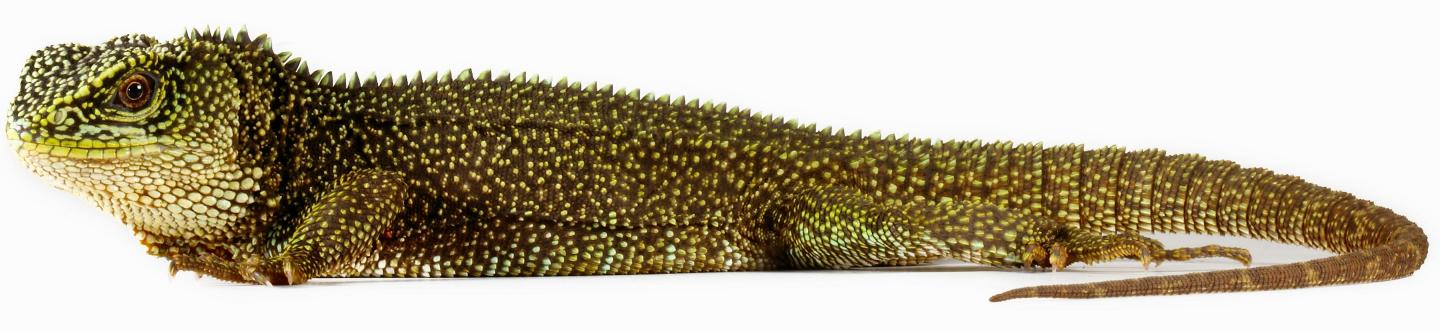
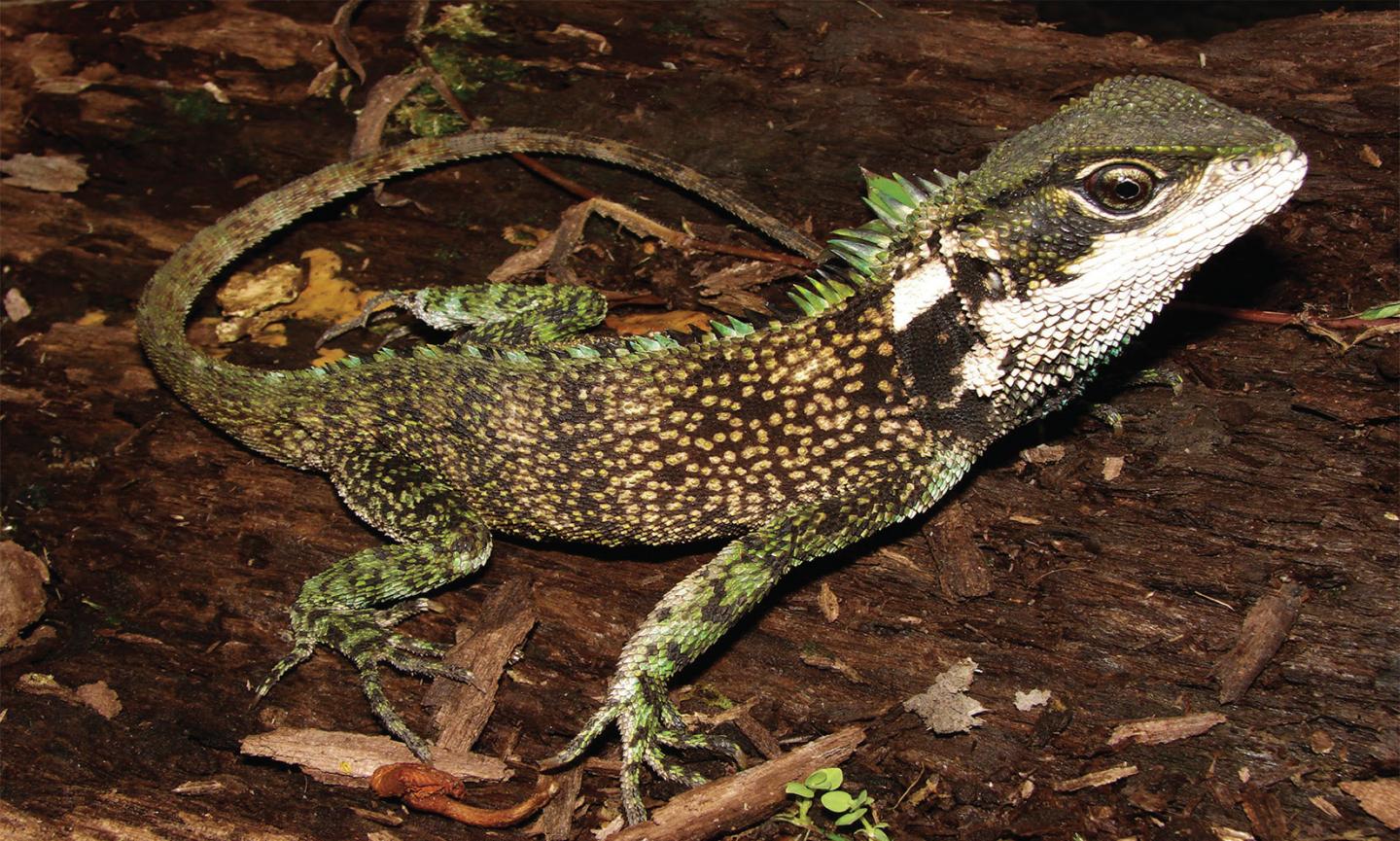
(Press-News.org) Scientists have discovered three new species of dragon-esque woodlizards in the Andes of Peru and Ecuador. The new species differ from their closest relatives in scale features, coloration and DNA. The study was published in the open access journal ZooKeys.

Field and laboratory work by Omar Torres-Carvajal (Museo de Zoología QCAZ, Ecuador), Pablo J. Venegas (CORBIDI, Peru), and Kevin de Queiroz (Smithsonian Institution's National Museum of Natural History, U.S.A) has resulted in the discovery of three new species of dragon-esque woodlizards from Andean cloudforests in Ecuador and Peru.

The unusual discoveries took place in areas within the 1,542,644 km2 Tropical Andes hotspot, western South America.

Finding three new species of woodlizards is a striking fact given that they are among the largest and most colorful lizards in South American forests.

Woodlizards (Enyalioides) are diurnal and live in lowland tropical rainforests, such as the Chocó and western Amazon basin, as well as cloudforests on both sides of the Andes. The new species described by Torres-Carvajal et al. increases the number of species of woodlizards to 15.

Recent expeditions to several localities along the Andes of Ecuador and Peru led to the collection of several specimens of woodlizards, which the authors suspected were something new. After comparing the new specimens with those deposited in several natural history museums from many countries, the author's suspicions became stronger.

When the authors looked at DNA evidence, there were no doubts that the specimens collected recently belonged to three undescribed species of woodlizards.

'I started working with woodlizards in 2006 as part of my postdoc at the Smithsonian Institution under the direction of Kevin de Queiroz. At that time only seven species of woodlizards had been described, and they were recognized in the literature as one of the less diverse groups of South American lizards. During the last few years we doubled the number of known species of woodlizards, showing that the diversity of these conspicuous reptiles had been underestimated. That more than half of the diversity of a group of large, dragon-looking reptiles from South America has been discovered in recent years should be heard by people in charge of conservation and funding agencies' said Dr. Torres-Carvajal.

INFORMATION:

Original source:

Torres-Carvajal O, Venegas PJ, Queiroz K (2015) Three new species of woodlizards (Hoplocercinae, Enyalioides) from northwestern South America. ZooKeys 494: 107-132. doi: 10.3897/zookeys.494.8903

Additional Information:

This research was funded by The Systematics Association's Systematics Research Fund; a Restricted Endowment Award from the Smithsonian Institution; Secretaría de Educación Superior, Ciencia, Tecnología e Innovación del Ecuador (SENESCYT); Pontificia Universidad Católica del Ecuador (PUCE); UCUMARI; and Gobierno Regional de San Martín (GORESAM).

Contact:

Dr. Omar Torres-Carvajal, omartorcar@gmail.com
Dr. Kevin de Queiroz, deQueirozK@si.edu


[Attachments] See images for this press release:
Dwarf dragons discovered in the Andes of Peru and Ecuador Dwarf dragons discovered in the Andes of Peru and Ecuador 2

ELSE PRESS RELEASES FROM THIS DATE:

Research debunks commonly held belief about narcissism

2015-04-06
WASHINGTON - Contrary to popular belief, excessive use of first-person singular pronouns such as "I" and "me" does not necessarily indicate a narcissistic tendency, according to research published by the American Psychological Association. "There is a widely assumed association between use of first-person singular pronouns, what we call I-talk, and narcissism, among laypeople and scientists despite the fact that the empirical support for this relation is surprisingly sparse and generally inconsistent," said Angela Carey, MA, a third-year doctoral candidate in psychology ...

Extraversion may be less common than we think

2015-04-06
Social scientists have long known that, statistically speaking, our friends are probably more popular than we are. It's a simple matter of math: Because extraverted people tend to have more friends, they are disproportionately represented in social networks--which means everyone's network is more extraverted than the population as a whole. New research by researchers Daniel C. Feiler and Adam M. Kleinbaum of Tuck Business School at Dartmouth College extends this so-called "friendship paradox" beyond a purely mathematical claim, documenting the phenomenon within the emerging ...

Women & men have different exclusion criteria for rtPA

2015-04-06
PROVIDENCE, R.I. - After analyzing stroke treatment records, researchers at Rhode Island Hospital in collaboration with researchers from the University of Cincinnati learned that women and men have different reasons for being excluded from receiving the common clot-dissolving drug, recombinant tissue plasminogen activator (rtPA). Importantly, more women had very high blood pressures, which reduced their eligibility to be treated with the highly effective drug. The study was recently published in the American Heart Association's (AHA) journal, Stroke. "Although men and ...

Erythropoietin combined with radiation therapy does not improve local-regional control in anemic patients with head and neck cancer

2015-04-06
Fairfax, Va., April 6, 2015--Long-term analysis of Radiation Therapy Oncology Group (RTOG) 9903 demonstrates that the addition of erythropoietin (EPO) did not improve local-regional control for anemic patients with head and neck squamous cell carcinoma (HNSCCa) who receive radiation therapy or chemoradiation, according to a study published in the April 1, 2015 issue of the International Journal of Radiation Oncology * Biology * Physics (Red Journal), the official scientific journal of the American Society for Radiation Oncology (ASTRO). This study is a long-term analysis ...

Can you make your own Game of Thrones sword using chemistry?

Can you make your own Game of Thrones sword using chemistry?
2015-04-06
WASHINGTON, April 6, 2015 -- The fantasy epic Game of Thrones is back this Sunday night, and it is sure to be chock full of intrigue, indiscretions and, of course, swords. The most sought-after blades in Westeros are made from Valyrian steel, forged using ancient magic. But could you make your own Valyrian steel sword using real-life chemistry? Reactions collaborated with cosplaying chemistry fanatic and material scientist Ryan Consell to see if we could blend metallurgy with Westerosi magic. Check out the video here: https://youtu.be/cHRcGoje4j4. INFORMATION: Subscribe ...

Northern coastal marshes more vulnerable to nutrient pollution

Northern coastal marshes more vulnerable to nutrient pollution
2015-04-06
DURHAM, N.C. - Salt marshes at higher latitudes, such as those in densely populated coastal regions of New England and northern Europe, are more vulnerable to the effects of nutrient pollution, a new Duke University study finds. "The heavy flow of nitrogen and phosphorus into these marshes from upstream cities and farms can trigger a chain reaction that can lead to intense overgrazing by marsh herbivores," said Brian R. Silliman, Rachel Carson Associate Professor of Marine Conservation Biology at Duke's Nicholas School of the Environment. "Left unchecked, this overgrazing ...

UCLA research links HIV to age-accelerating cellular changes

2015-04-06
People undergoing treatment for HIV-1 have an increased risk for earlier onset of age-related illnesses such as some cancers, renal and kidney disease, frailty, osteoporosis and neurocognitive disease. But is it because of the virus that causes AIDS or the treatment? To answer that question, researchers at the UCLA AIDS Institute and Center for AIDS Research and the Multicenter AIDS Cohort Study investigated whether the virus induces age-associated epigenetic changes -- that is, changes to the DNA that in turn lead to changes in expression of gene levels without changing ...

New blood signature analysis may help diagnose Parkinson's disease earlier

2015-04-06
A new blood test may more accurately identify blood signatures, or biomarkers, for Parkinson's disease (PD), according to a new study published in the journal Movement Disorders. The study, conducted by researchers at Mount Sinai and funded by the Michael J. Fox Foundation for Parkinson's Research, applies a new approach to looking for blood biomarkers for both patients with and without a known genetic risk factor for PD. This paper is the fourth in a series that report new computational techniques to improve the identification of reliable blood biomarkers. While biomarkers--such ...

Saving lives by making malaria drugs more affordable

2015-04-06
Forty percent of all malaria-caused deaths in sub-Saharan Africa occur in the Democratic Republic of Congo and Nigeria, according to the World Health Organization. The private sector "supply chain" manages 74% of the drug volume in Congo and 98% in Nigeria where malaria-stricken patients rely on "drug shops" and other for-profit retail outlets to get life-saving medicine. New research forthcoming in Management Science determines that the "shelf life" of malaria-fighting drugs plays a significant role in how donors should subsidize the medicine in order to ensure better ...

Study finds cow milk is added to breast milk and sold to parents online

2015-04-06
A study published today on the safety of human breast milk bought over the Internet found that 10 percent of samples contained added cow's milk. The discovery that purchased samples of human milk may be purposely "topped off" with cow's milk or infant formula confirms a danger for the large number of babies receiving the purchased milk due to medical conditions. These babies are also vulnerable to the risk of infectious disease from bacterial and viral contamination of such milk, which was identified in a prior study by the same research team led by Nationwide Children's ...

LAST 30 PRESS RELEASES:

Making lighter work of calculating fluid and heat flow

Normalizing blood sugar can halve heart attack risk

Lowering blood sugar cuts heart attack risk in people with prediabetes

Study links genetic variants to risk of blinding eye disease in premature infants

Non-opioid ‘pain sponge’ therapy halts cartilage degeneration and relieves chronic pain

AI can pick up cultural values by mimicking how kids learn

China’s ecological redlines offer fast track to 30 x 30 global conservation goal

Invisible indoor threats: emerging household contaminants and their growing risks to human health

Adding antibody treatment to chemo boosts outcomes for children with rare cancer

Germline pathogenic variants among women without a history of breast cancer

Tanning beds triple melanoma risk, potentially causing broad DNA damage

Unique bond identified as key to viral infection speed

Indoor tanning makes youthful skin much older on a genetic level

Mouse model sheds new light on the causes and potential solutions to human GI problems linked to muscular dystrophy

The Journal of Nuclear Medicine ahead-of-print tip sheet: December 12, 2025

Smarter tools for peering into the microscopic world

Applications open for funding to conduct research in the Kinsey Institute archives

Global measure underestimates the severity of food insecurity

Child survivors of critical illness are missing out on timely follow up care

Risk-based vs annual breast cancer screening / the WISDOM randomized clinical trial

University of Toronto launches Electric Vehicle Innovation Ontario to accelerate advanced EV technologies and build Canada’s innovation advantage

Early relapse predicts poor outcomes in aggressive blood cancer

American College of Lifestyle Medicine applauds two CMS models aligned with lifestyle medicine practice and reimbursement

Clinical trial finds cannabis use not a barrier to quitting nicotine vaping

Supplemental nutrition assistance program policies and food insecurity

Switching immune cells to “night mode” could limit damage after a heart attack, study suggests

URI-based Global RIghts Project report spotlights continued troubling trends in worldwide inhumane treatment

Neutrophils are less aggressive at night, explaining why nighttime heart attacks cause less damage than daytime events

Menopausal hormone therapy may not pose breast cancer risk for women with BRCA mutations

Mobile health tool may improve quality of life for adolescent and young adult breast cancer survivors

[Press-News.org] Dwarf dragons discovered in the Andes of Peru and Ecuador