UC-MSC transfusion helps repair COVID-19 damage in severe cases
'Like smart bomb technology to the lung,' randomized trial shows
Published 2021-01-05 · Original archive entry · Explore research explainers
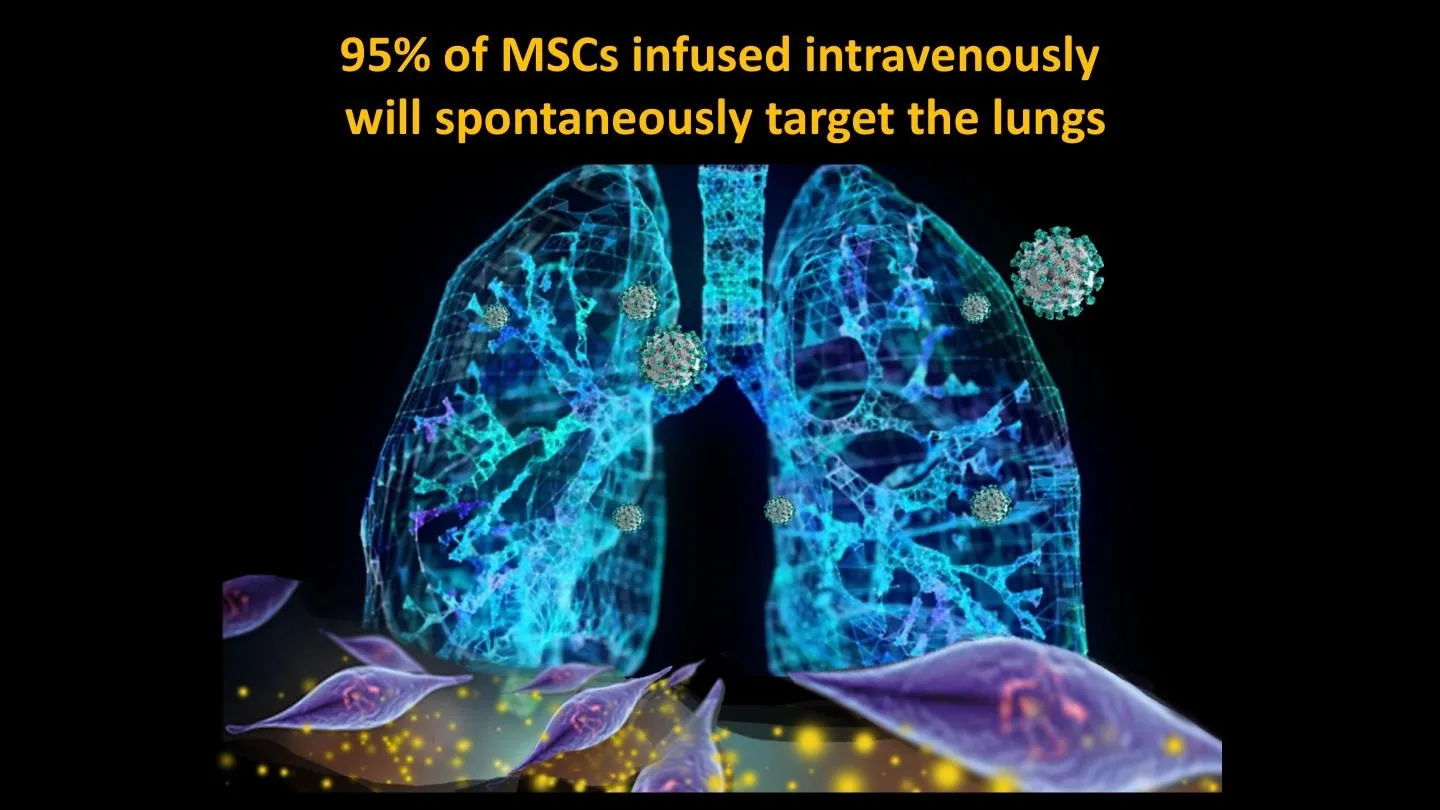
Dr. Camilo Ricordi, director of the Diabetes Research Institute (DRI) and Cell Transplant Center at the University of Miami Miller School of Medicine, and his team of international collaborators are reporting the results of a groundbreaking randomized controlled trial showing umbilical cord-derived mesenchymal stem cell (UC-MSC) infusions safely reduce risk of death and quicken time to recovery for the most severe COVID-19 patients. Dr. Ricordi's peer-reviewed paper has just been published in STEM CELLS Translational Medicine (SCTM) January 2021.
The clinical trial, authorized by the FDA last April, was initiated by The Cure Alliance, a 501(c)(3) non-profit organization of research scientists founded ten years ago by Dr. Ricordi for scientists around the world to share knowledge and accelerate cures of all diseases. At the start of the pandemic, all focus pivoted to ending suffering caused by COVID-19. Dr. Ricordi created a "mini-Manhattan project," the result of which has yielded this important new weapon in the arsenal against COVID-19, especially during this critical time when distribution of the new vaccines is slower than anticipated and the infection rate and death toll are still surging.
The SCTM paper describes findings from 24 patients hospitalized at University of Miami Tower or Jackson Memorial Hospital with COVID-19 who developed severe acute respiratory distress syndrome (SARS), a dangerous and often fatal complication marked by severe inflammation and fluid buildup in the lungs. Each patient received two infusions of either mesenchymal stem cells or a placebo, given days apart.
"It was a double-blind study. Neither doctors nor patients knew who received the treatment, who got the placebo," said Dr. Ricordi, the lead investigator.
At one month,100% of patients ( END
The clinical trial, authorized by the FDA last April, was initiated by The Cure Alliance, a 501(c)(3) non-profit organization of research scientists founded ten years ago by Dr. Ricordi for scientists around the world to share knowledge and accelerate cures of all diseases. At the start of the pandemic, all focus pivoted to ending suffering caused by COVID-19. Dr. Ricordi created a "mini-Manhattan project," the result of which has yielded this important new weapon in the arsenal against COVID-19, especially during this critical time when distribution of the new vaccines is slower than anticipated and the infection rate and death toll are still surging.
The SCTM paper describes findings from 24 patients hospitalized at University of Miami Tower or Jackson Memorial Hospital with COVID-19 who developed severe acute respiratory distress syndrome (SARS), a dangerous and often fatal complication marked by severe inflammation and fluid buildup in the lungs. Each patient received two infusions of either mesenchymal stem cells or a placebo, given days apart.
"It was a double-blind study. Neither doctors nor patients knew who received the treatment, who got the placebo," said Dr. Ricordi, the lead investigator.
At one month,100% of patients ( END