Future falls risk detected by a simple bone density scan
The build-up of calcium in a major blood vessel is linked with a 39% higher risk of serious falls in older women, new Edith Cowan University research has found
Published 2021-06-14 · Original archive entry · Explore research explainers
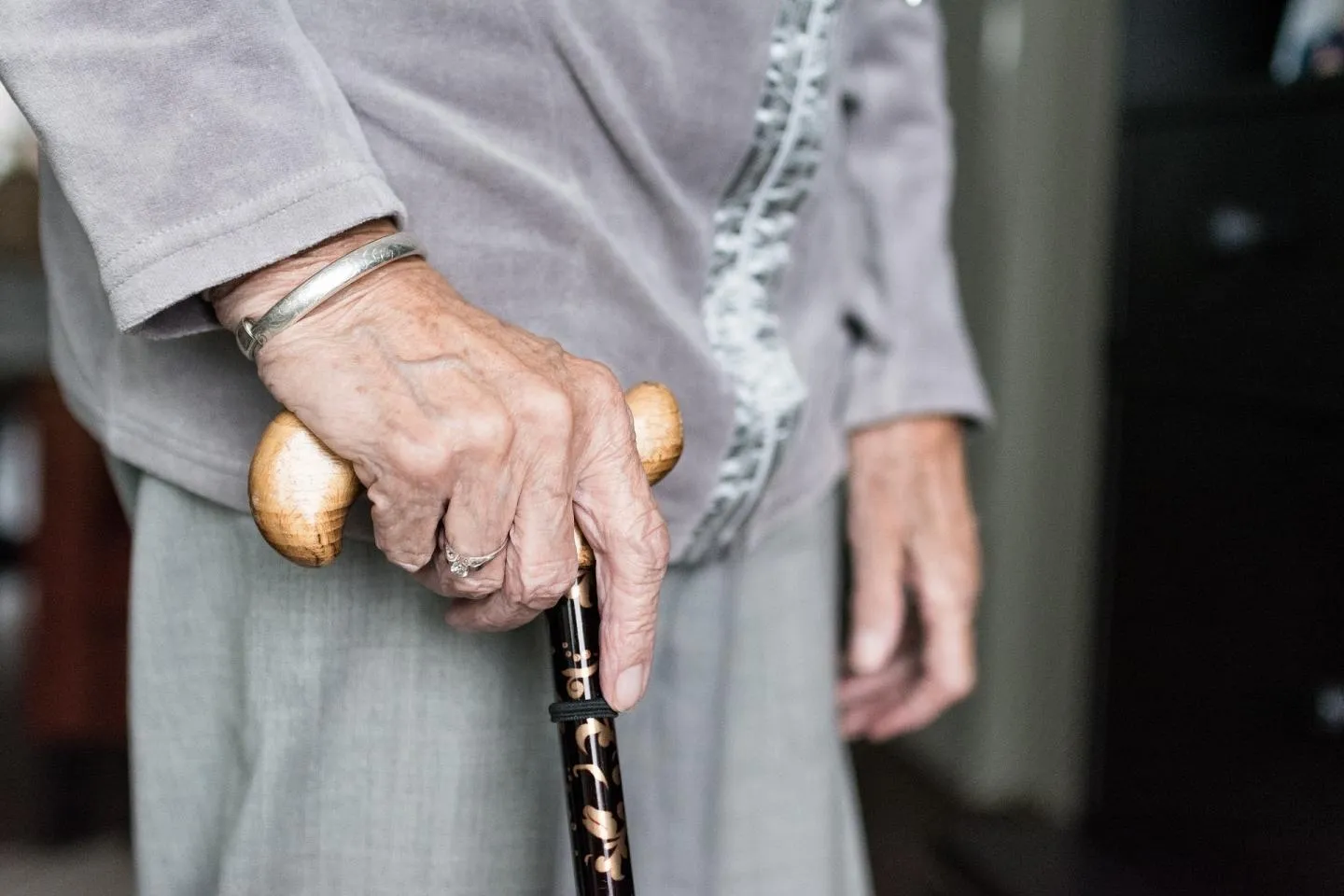
The build-up of calcium in a major blood vessel is linked with a 39 per cent higher risk of serious falls in older women, new Edith Cowan University (ECU) research has found.
This calcium build-up, known as abdominal aortic calcification (AAC), is a hardening of the abdomen's largest artery, which can be identified early on a commonly used bone density machine scan.
The study's findings could help health professionals to identify people at risk of serious falls early to prevent future falls and their potentially life changing consequences.
Foiling future falls
Falls are a growing public health concern, causing the deaths of an estimated 680,000 people globally each year. They are also one of the leading causes of injury and disability in Australia, particularly in older people, with approximately one person hospitalised every five minutes due to a fall.
Co-lead author, ECU PhD candidate Abadi Gebre, said the findings offer a new pathway for falls prevention.
"We found more than 7 out of 10 women in our study had AAC, which is an alarming number of people at risk of suffering a really serious fall," said Mr Gebre.
"Falls can not only cause fractures and other injuries, they can also result in loss of mobility and independence. When you lose your independence, you lose quality of life and social connection. This often leads to a rapid deterioration of physical and mental health."
According to Mr Gebre, the study is the first-time researchers have investigated whether AAC assessed on scans from bone density machines can identify women at a higher risk of serious falls.
"More than half a million older Australians undergo routine bone mineral density testing every year to detect osteoporosis," said Mr Gebre.
"If we can capture an additional scan to look for evidence of AAC at the same time, we can potentially identify and prevent future harmful falls.
"We often wait until a person suffers a fall to intervene and at that point the damage is already done."
Getting to the heart of falling
The study's senior author Associate Professor Joshua Lewis, a National Heart Foundation Future Leader Fellow at ECU, said the findings demonstrate the importance of detecting AAC early.
"We know that AAC identifies women at a higher risk of heart attacks and strokes, but our research now shows that it also identifies women at a higher falls risk, independent of other falls risk factors and muscle strength," he said.
The researchers say the next step is to find out how and why AAC and falls are linked and if specific dietary and lifestyle interventions may prevent the risk of both cardiovascular disease and falls.
The study, funded by the Rebecca L. Cooper Medical Research Foundation, examined how blood vessel disease is linked to falls and fractures in 1,053 Western Australian women with an average age of 75 years. The Perth Longitudinal Study of Aging in Women (PLSAW), is cohort study of Western Australian women who agreed to provide epidemiological data over 15 years. The researchers acknowledge their important contribution.
The research is part of a collaboration with Professor Richard Prince from the University of Western Australia and builds on ECU's research into the association between AAC and an increased risk of cardiovascular disease.
ECU is also conducting an NHMRC-funded study that is investigating how artificial intelligence could be used in conjunction with bone density scans to identify blood vessel disease.
'Abdominal aortic calcification is associated with increased risk of injurious fall-related hospitalisations in older Australian women' was published today in Atherosclerosis.
This calcium build-up, known as abdominal aortic calcification (AAC), is a hardening of the abdomen's largest artery, which can be identified early on a commonly used bone density machine scan.
The study's findings could help health professionals to identify people at risk of serious falls early to prevent future falls and their potentially life changing consequences.
Foiling future falls
Falls are a growing public health concern, causing the deaths of an estimated 680,000 people globally each year. They are also one of the leading causes of injury and disability in Australia, particularly in older people, with approximately one person hospitalised every five minutes due to a fall.
Co-lead author, ECU PhD candidate Abadi Gebre, said the findings offer a new pathway for falls prevention.
"We found more than 7 out of 10 women in our study had AAC, which is an alarming number of people at risk of suffering a really serious fall," said Mr Gebre.
"Falls can not only cause fractures and other injuries, they can also result in loss of mobility and independence. When you lose your independence, you lose quality of life and social connection. This often leads to a rapid deterioration of physical and mental health."
According to Mr Gebre, the study is the first-time researchers have investigated whether AAC assessed on scans from bone density machines can identify women at a higher risk of serious falls.
"More than half a million older Australians undergo routine bone mineral density testing every year to detect osteoporosis," said Mr Gebre.
"If we can capture an additional scan to look for evidence of AAC at the same time, we can potentially identify and prevent future harmful falls.
"We often wait until a person suffers a fall to intervene and at that point the damage is already done."
Getting to the heart of falling
The study's senior author Associate Professor Joshua Lewis, a National Heart Foundation Future Leader Fellow at ECU, said the findings demonstrate the importance of detecting AAC early.
"We know that AAC identifies women at a higher risk of heart attacks and strokes, but our research now shows that it also identifies women at a higher falls risk, independent of other falls risk factors and muscle strength," he said.
The researchers say the next step is to find out how and why AAC and falls are linked and if specific dietary and lifestyle interventions may prevent the risk of both cardiovascular disease and falls.
The study, funded by the Rebecca L. Cooper Medical Research Foundation, examined how blood vessel disease is linked to falls and fractures in 1,053 Western Australian women with an average age of 75 years. The Perth Longitudinal Study of Aging in Women (PLSAW), is cohort study of Western Australian women who agreed to provide epidemiological data over 15 years. The researchers acknowledge their important contribution.
The research is part of a collaboration with Professor Richard Prince from the University of Western Australia and builds on ECU's research into the association between AAC and an increased risk of cardiovascular disease.
ECU is also conducting an NHMRC-funded study that is investigating how artificial intelligence could be used in conjunction with bone density scans to identify blood vessel disease.
'Abdominal aortic calcification is associated with increased risk of injurious fall-related hospitalisations in older Australian women' was published today in Atherosclerosis.
INFORMATION: