PRESS-NEWS.org - Press Release Distribution
PRESS RELEASES DISTRIBUTION

A Spanish team presents the first pharmacological treatment able to improve cardiac function in stiff-heart syndrome
Transthyretin-related cardiac amyloidosis has a poor prognosis, and untreated patients survive for an average of just 3 years

A Spanish team presents the first pharmacological treatment able to improve cardiac function in stiff-heart syndrome
2023-05-20
(Press-News.org)

Transthyretin-related cardiac amyloidosis is a progressive disease characterized by the deposition of amyloid protein fibrils in the heart. Amyloid fibril deposition thickens and stiffens the heart walls, and the disease is also known as stiff-heart syndrome. The accumulation of amyloid fibrils causes heart failure, and patients suffer from fluid retention, fatigue, and arrhythmias. The disease can be caused by genetic mutations or related to aging. Prognosis is poor, and untreated patients survive for an average of just 3 years.

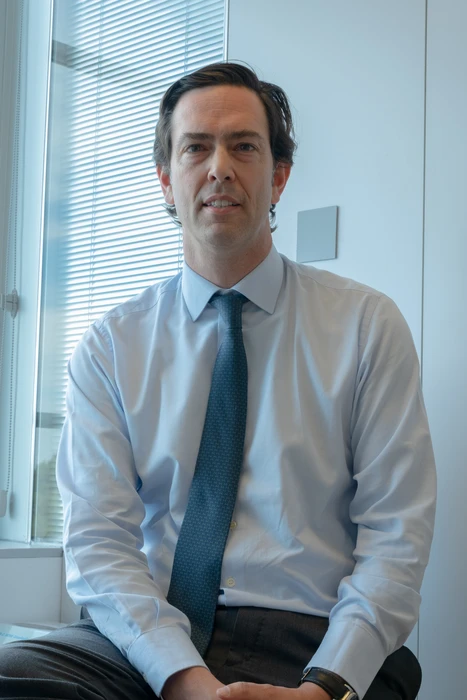
Now, the results of a study published in the The New England Journal of Medicine (NEJM) promise to radically alter the prospects of patients with this disease. The study was led by Dr. Pablo Garcia-Pavía, who heads the Inherited Cardiac Diseases Section at Hospital Universitario Puerta de Hierro and is a research scientist at the Centro Nacional de Investigaciones Cardiovasculares (CNIC) and within the Spanish cardiovascular research network (CIBERCV). Coinciding with the publication of the study, Dr. Pablo Garcia-Pavía has today presented the results of the first clinical trial with an amyloid-removing drug for the treatment of cardiac amyloidosis. 

The study represents a major advance in the treatment of the disease. Although currently available treatments effectively prevent the accumulation of more amyloid fibrils and delay disease progression, they do not directly remove any amyloid protein already deposited in the heart.

Current treatment options include transthyretin-stabilizing therapy and measures to control associated cardiovascular complications. The only intervention currently able to restore cardiac function in this disease is heart transplantation.

The only drug approved to treat transthyretin-related cardiac amyloidosis is tafamidis, an oral transthyretin stabilizer. Tafamidis improves survival and reduces hospitalizations; however, it does not reverse disease symptoms that are already established.

The initial results of the trial, which included 40 patients in France, The Netherlands, Germany, and Spain and was coordinated by Dr. García-Pavía, show that the new drug is safe and appears to reduce the amount of amyloid protein deposited in the heart.

Developed by the Swiss company Neurimmune, the new medication is an antibody that binds to transthyretin amyloid protein. The antibody was first isolated from memory B cells obtained from healthy elderly individuals.

In the study, the antibody was used to stimulate the patients’ own defense systems, resulting in the elimination of cardiac amyloid fibrils. The antibody was administered to patients intravenously in progressively increasing monthly doses over a 12-month period.

“Patients who received higher antibody doses seemed to show a greater reduction in amyloid deposits in the heart and greater improvements in a range of cardiac parameters,” said Dr. García-Pavía.

The NEJM article concludes that the phase I proof-of-concept study demonstrates the safety of this treatment in patients and supports further clinical trials of this antibody.

Dr. García-Pavía is a world-leading expert on transthyretin-related cardiac amyloidosis and is the leader of the European Society of Cardiology guidelines on the diagnosis and treatment of this disease, which are followed worldwide.

His group at Hospital Puerta de Hierro is an international reference in the field and several years ago demonstrated that this disease, previously thought to be very rare, is one of the most frequent causes of heart failure in persons older than 65 years.

About the CNIC

The Centro Nacional de Investigaciones Cardiovasculares (CNIC), directed by Dr. Valentín Fuster, is dedicated to cardiovascular research and the translation of knowledge gained into real benefits for patients. The CNIC, recognized by the Spanish government as a Severo Ochoa center of excellence, is financed through a pioneering public-private partnership between the government (through the Carlos III Institute of Health) and the Pro-CNIC Foundation, which brings together 12 of the most important Spanish private companies.


END


[Attachments] See images for this press release:
A Spanish team presents the first pharmacological treatment able to improve cardiac function in stiff-heart syndrome

ELSE PRESS RELEASES FROM THIS DATE:

George Dangas, MD, Ph.D., named President of Society for Cardiovascular Angiography & Interventions

George Dangas, MD, Ph.D., named President of Society for Cardiovascular Angiography & Interventions
2023-05-20
The Society for Cardiovascular Angiography & Interventions (SCAI) has named George Dangas, MD, PhD, Professor of Medicine (Cardiology), and Surgery, at the Icahn School of Medicine at Mount Sinai as its new President. He was appointed on Saturday, May 20, during the closing ceremonies at the SCAI 2023 Scientific Sessions in Phoenix. He is the first Mount Sinai cardiologist to hold this position and will serve as the 46th President of SCAI. Dr. Dangas, also the Director of Cardiovascular Innovation at the Zena and Michael A. Wiener Cardiovascular Institute at Icahn Mount Sinai and Chief of Cardiology ...

Forging partnerships in the Americas: Naval leaders gather at SIANC S&T Conference

Forging partnerships in the Americas: Naval leaders gather at SIANC S&T Conference
2023-05-20
ARLINGTON, Va.—For Dr. Brett Seidle — the deputy assistant secretary of the Navy for Research, Development, Test and Engineering — the breakneck speed of current scientific progress and technological proliferation can be challenging, especially when the impact of new technologies on civilian and military realities transcends national borders. While giving the keynote address at the recent Specialized Inter-American Naval Conference on Science, Technology and Innovation (SIANC-ST&I) in Orlando, Florida, Seidle identified several scientific disciplines that have developed into ...

New study reveals possible future health impacts related to climate mitigation

2023-05-20
UNIVERSITY PARK, Pa. — Reduce fossil fuel use and air quality will improve, right? It might not be as straightforward as it appears, according to a Penn State-led research team. They explored almost 30,000 simulated future scenarios and found that some climate mitigation efforts could lead to harmful health impacts in certain geographic areas.  Their results were published today (May 18) in Nature Sustainability.  “In general, reducing fossil fuel use is good for climate mitigation and good for cleaning up the air, and the modeling studies have always found health benefits from climate mitigation,” said corresponding ...

Study finds cardiovascular risk score improves after one year of semaglutide use in patients with overweight and obesity

2023-05-20
New research presented at this year’s European Congress on Obesity in Dublin, Ireland shows that patients treated with the obesity drug semaglutide have a decreased cardiovascular risk score after one year of use. The study is by Dr Andres Acosta and Dr Wissam Ghusn, Precision Medicine for Obesity Program at the Mayo Clinic, Rochester, MN, USA and colleagues. Obesity is a major risk factor for the development of abnormal blood fat levels, type-2 diabetes mellitus (T2DM), high blood pressure, and obstructive sleep apnoea. These comorbidities are associated with an increased risk of cardiovascular disease (CVD) that represents ...

Semaglutide shown to be effective for weight loss in multicentre, one-year real-world study

2023-05-20
New research presented at this year’s European Congress on Obesity (ECO2023, Dublin, 17-20 May) shows that the obesity drug semaglutide is effective for weight loss in a multicentre, 1-year-long real-world study. The study is by Dr Andres Acosta and Dr Wissam Ghusn, Precision Medicine for Obesity Program at the Mayo Clinic, Rochester, MN, USA and colleagues. Semaglutide, a glucagon-like peptide-1 (GLP-1) receptor agonist, is the most recently FDA-approved anti-obesity medication. It has shown significant weight loss outcomes in multiple long-term randomised clinical trials and short-term real-world studies. However, little is known about ...

Consequences of uncontrolled hunger in teenagers living with obesity examined in international study

2023-05-20
Teenagers living with obesity who say hunger is preventing them from losing weight (hunger-barrier ALwO) perceive their weight more negatively and worry about it more than youngsters who don’t see hunger as an obstacle, new research being presented at the European Congress on Obesity (ECO) in Dublin, Ireland (17-20 May) shows. The international study also found that hunger-barrier ALwO are more likely to be female and more likely to say their weight makes them unhappy and leads to them being bullied. They are also more likely to be actively trying to lose weight. Dr Bassam Bin-Abbas, of the Department of Paediatrics, King Faisal Specialist Hospital and Research Center, Riyadh, ...

Stress hormone measured in hair predicts who is likely to suffer from cardiovascular diseases

2023-05-20
New research being presented at this year’s European Congress on Obesity (ECO) in Dublin, Ireland (17-20 May) suggests that glucocorticoid levels (a class of steroid hormones secreted as a response to stress) present in the hair of individuals may indicate which of them are more likely to suffer from cardiovascular diseases (CVD) in the future. “There is a tremendous amount of evidence that chronic stress is a serious factor in determining overall health. Now our findings indicate that people with higher long-term hair glucocorticoid ...

New high risk, high reward studies will tackle key unanswered questions about our planet

2023-05-20
NERC has invested £25 million in a host of high risk, high reward research projects to tackle critical environment challenges. The 44 projects cover the full spectrum of environmental science including geology, atmospheric science, biodiversity and ecology. The research will, for example:  improve our understanding of volcanic activity such as eruptions a lava flows age the Earth’s solid inner core investigate historic mass extinction events predict future changes to carbon ...

A toddler’s gut bacteria predict whether they will be overweight at 5 years old

2023-05-20
The make-up and volume of gut bacteria in toddlers at 3.5 years old is predictive of body mass index (BMI) at age 5, irrespective of whether they are born prematurely or not, according to new research, being presented at this year’s European Congress on Obesity (ECO) in Dublin, Ireland (17-20 May). The findings also identified differences in the bacteria that colonise the gut seen in adults living with obesity, suggesting that changes in the gut microbiota that predispose to adult obesity begin in early childhood. The make-up of the gut microbiota grows and changes in the first few months and years of life and ...

Scientists will tune-in to the sound of the Amazon to discover how climate change and human disturbance are affecting tropical forest animals

Scientists will tune-in to the sound of the Amazon to discover how climate change and human disturbance are affecting tropical forest animals
2023-05-20
Scientists are to deploy a network of microphones in the Amazon rainforest to listen and measure the numbers and species of birds, insects and other wildlife. The use of ‘ecoacoustics’ forms part of RAINFAUNA - a £1 million study by an international team of researchers led by scientists at Lancaster University that will provide the first large-scale understanding of how humans are affecting the animals that call tropical forests home. Tropical forests are under threat. In the Amazon, at least 17% of primary ...

LAST 30 PRESS RELEASES:

Scientists to ‘spy’ on cancer- immune cell interactions using quantum technology breakthrough

Tech savvy users have most digital concerns

Making lighter work of calculating fluid and heat flow

Normalizing blood sugar can halve heart attack risk

Lowering blood sugar cuts heart attack risk in people with prediabetes

Study links genetic variants to risk of blinding eye disease in premature infants

Non-opioid ‘pain sponge’ therapy halts cartilage degeneration and relieves chronic pain

AI can pick up cultural values by mimicking how kids learn

China’s ecological redlines offer fast track to 30 x 30 global conservation goal

Invisible indoor threats: emerging household contaminants and their growing risks to human health

Adding antibody treatment to chemo boosts outcomes for children with rare cancer

Germline pathogenic variants among women without a history of breast cancer

Tanning beds triple melanoma risk, potentially causing broad DNA damage

Unique bond identified as key to viral infection speed

Indoor tanning makes youthful skin much older on a genetic level

Mouse model sheds new light on the causes and potential solutions to human GI problems linked to muscular dystrophy

The Journal of Nuclear Medicine ahead-of-print tip sheet: December 12, 2025

Smarter tools for peering into the microscopic world

Applications open for funding to conduct research in the Kinsey Institute archives

Global measure underestimates the severity of food insecurity

Child survivors of critical illness are missing out on timely follow up care

Risk-based vs annual breast cancer screening / the WISDOM randomized clinical trial

University of Toronto launches Electric Vehicle Innovation Ontario to accelerate advanced EV technologies and build Canada’s innovation advantage

Early relapse predicts poor outcomes in aggressive blood cancer

American College of Lifestyle Medicine applauds two CMS models aligned with lifestyle medicine practice and reimbursement

Clinical trial finds cannabis use not a barrier to quitting nicotine vaping

Supplemental nutrition assistance program policies and food insecurity

Switching immune cells to “night mode” could limit damage after a heart attack, study suggests

URI-based Global RIghts Project report spotlights continued troubling trends in worldwide inhumane treatment

Neutrophils are less aggressive at night, explaining why nighttime heart attacks cause less damage than daytime events

[Press-News.org] A Spanish team presents the first pharmacological treatment able to improve cardiac function in stiff-heart syndrome
Transthyretin-related cardiac amyloidosis has a poor prognosis, and untreated patients survive for an average of just 3 years