PRESS-NEWS.org - Press Release Distribution
PRESS RELEASES DISTRIBUTION

Closing cancer cell’s escape route
Closing cancer cell’s escape route
2023-07-27
(Press-News.org) Chemotherapy and radiotherapy aim to destroy cancer cells by inducing DNA double-strand breaks – damage that, once inflicted, usually causes the cells to die. But damage to a cell’s genetic material also activates a signaling pathway called IKK/NF-κB that helps prevent cell death, thus limiting the success of these treatments in patients.

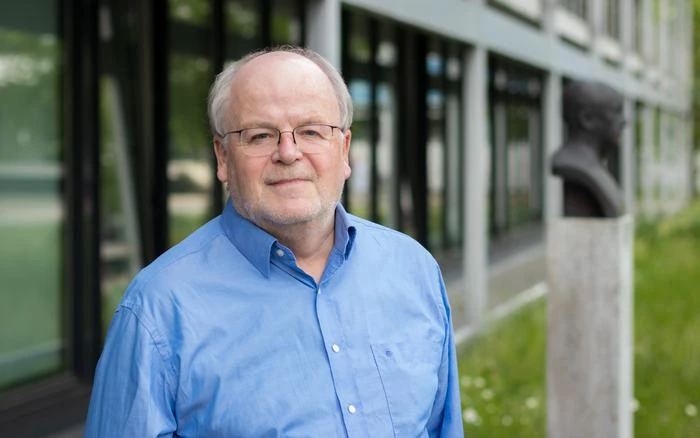
NF-κB is a family of gene regulators that controls a wide variety of cellular processes – from immune responses to embryonic development – and is activated by the enzyme complex IKK. The IKK/NF-κB signaling pathway cannot simply be blocked, as it performs many vital functions in the body. Researchers led by Professor Claus Scheidereit of the Max Delbrück Center have now succeeded in identifying two lead compounds that inhibit activation of the IKK/NF-κB pathway only when the signaling chain is triggered by DNA double-strand breaks. The team has described how this works in the journal Cell Chemical Biology.

“A pharmacological challenge” There are two enzymes that trigger the IKK/NF-κB pathway when they sense DNA double-strand breaks: ATM and PARP1. “ATM must not be pharmacologically blocked under any circumstances, as it is essential for biological emergency programs,” says Scheidereit. In the event of DNA damage, he explains, it activates the protein P53, which stops the cell cycle and causes the cells to die. This makes P53 the natural adversary of NF-κB. “PARP1 also performs other important functions in the cell,” Scheidereit continues. “And the regulating kinase complex IKK, which is located at the bottom of the signaling cascade, should also not be blocked directly as it is required for NF-κB activation in many other signaling pathways.” Developing selective NF-κB inhibitors that act only as a result of DNA damage therefore presents “a pharmacological challenge,” the scientist explains.

Together with Dr. Jens Peter von Kries and Dr. Marc Nazaré, respective heads of the Screening Unit and Medicinal Chemistry Group at the Leibniz-Forschungsinstitut für Molekulare Pharmakologie (FMP), the team examined 32,000 substances. They eventually zeroed in on two compounds – MW01 and MW05 – that block the signaling pathway only when it is triggered by DNA double-strand breaks.

When they delved deeper to find out exactly what these substances block, the scientists made a surprising discovery: active derivatives of MW01 and MW05 bind to and switch off the kinases CLK2 and CLK4 – which are necessary, they found out, for signal transmission between ATM and IKK. Kinases are enzymes that transfer phosphate groups to other target molecules, thereby controlling these molecules. “CLKs have never before been associated with functions relevant to our signaling chain,” says Patrick Mucka, the study’s lead author. “However, CLK2 is often overexpressed in colorectal and lung cancer, as well as in glioblastoma and breast cancer. So it appears to play an important role in tumorigenesis or cancer progression.”

More promising cancer therapies? Experiments on osteosarcoma (bone cancer) cells showed that the substances actually make the cells more sensitive to chemotherapy. After a short pretreatment with MW01 or MW05, significantly more cancer cells died during subsequent genotoxic treatment. Scheidereit is hopeful that the CLK inhibitors will show similar effects in further preclinical studies. But although results to date indicate that the inhibitors may increase the success rate of genotoxic cancer therapies, it may be years before CLK inhibitors are clinically approved.

Initial toxicological tests in mice showed that the substances were very well tolerated. “Incidentally, a side effect seems to be that enzymes involved in tumor growth processes beyond the IKK/NF-κB signaling pathway are also inhibited,” Scheidereit says. “This can only be beneficial when used in cancer therapy – a double whammy, so to speak.”


Further information

From basic researcher to cancer drug developer

Funds speed the path from the lab to the clinic

Max Delbrück Center

The Max Delbrück Center for Molecular Medicine in the Helmholtz Association (Max Delbrück Center) is one of the world’s leading biomedical research institutions. Max Delbrück, a Berlin native, was a Nobel laureate and one of the founders of molecular biology. At the locations in Berlin-Buch and Mitte, researchers from some 70 countries study human biology – investigating the foundations of life from its most elementary building blocks to systems-wide mechanisms. By understanding what regulates or disrupts the dynamic equilibrium of a cell, an organ, or the entire body, we can prevent diseases, diagnose them earlier, and stop their progression with tailored therapies. Patients should benefit as soon as possible from basic research discoveries. The Max Delbrück Center therefore supports spin-off creation and participates in collaborative networks. It works in close partnership with Charité – Universitätsmedizin Berlin in the jointly run Experimental and Clinical Research Center (ECRC), the Berlin Institute of Health (BIH) at Charité, and the German Center for Cardiovascular Research (DZHK). Founded in 1992, the Max Delbrück Center today employs 1,800 people and is funded 90 percent by the German federal government and 10 percent by the State of Berlin.

END


[Attachments] See images for this press release:
Closing cancer cell’s escape route

ELSE PRESS RELEASES FROM THIS DATE:

Fiber-infused ink enables 3D-printed heart muscle to beat

2023-07-27
Over the last decade, advances in 3D printing have unlocked new possibilities for bioengineers to build heart tissues and structures. Their goals include creating better in vitro platforms for discovering new therapeutics for heart disease, the leading cause of death in the United States, responsible for about one in every five deaths nationally, and using 3D-printed cardiac tissues to evaluate which treatments might work best in individual patients. A more distant aim is to fabricate implantable tissues that can heal or replace faulty or diseased structures inside a patient’s heart. In a paper published in Nature Materials, researchers ...

New technology promises rapid and reliable development of new diagnostic tests

New technology promises rapid and reliable development of new diagnostic tests
2023-07-27
QUT researchers have developed a new approach for designing molecular ON-OFF switches based on proteins which can be used in a multitude of biotechnological, biomedical and bioengineering applications. The research team demonstrated that this novel approach allows them to design and build faster and more accurate diagnostic tests for detecting diseases, monitoring water quality and detecting environmental pollutants. Professor Kirill Alexandrov, of the QUT School of Biology and Environmental ...

Jinghui Zhang, Ph.D., elected Fellow of the International Society for Computational Biology

Jinghui Zhang, Ph.D., elected Fellow of the International Society for Computational Biology
2023-07-27
(Memphis, Tenn. – July 27, 2023) St. Jude Children’s Research Hospital proudly announces that Jinghui Zhang, Ph.D., Member of the Department of Computational Biology, has been elected as a Fellow of the International Society for Computational Biology. Zhang is one of 15 scientists given this distinction in 2023. She’s being honored for the development and application of innovative computational methods, discovering novel targets and accelerating research and genomic data sharing to advance the diagnosis, treatment and surveillance of pediatric cancers and survivors.  “I ...

Motivation and pleasure deficits play important role in social functioning across psychiatric disorders

2023-07-27
Dr. Raymond Chan's team from the Institute of Psychology of the Chinese Academy of Sciences and his collaborators have recently shown that amotivation and anhedonia, rather than expressive dysfunction, play a crucial role in determining the social functioning of schizophrenia patients. The study was published in Nature Mental Health. Negative symptoms refer to the loss of normal functioning, including anhedonia, avolition, alogia, asociality, and affective blunting, and have been shown to be the most important predictors ...

Storing fat at the waist may NOT up diabetes risk, surprise findings indicate

Storing fat at the waist may NOT up diabetes risk, surprise findings indicate
2023-07-27
Conventional wisdom holds that storing fat around your belly puts you at increased risk for type 2 diabetes. But surprising new findings from the University of Virginia School of Medicine suggest that naturally occurring variations in our genes can lead some people to store fat at the waist but also protect them from diabetes. The unexpected discovery provides a more nuanced view of the role of obesity in diabetes and related health conditions. It also could pave the way for more personalized medicine – treatments tailored to the individual. ...

Using cosmic weather to study which worlds could support life

2023-07-27
COLUMBUS, Ohio – As the next generation of giant, high-powered observatories begin to come online, a new study suggests that their instruments may offer scientists an unparalleled opportunity to discern what weather may be like on far-away exoplanets.  Dubbed the extremely large telescopes (ELTs), these observatories, which include the Extremely Large Telescope (ELT), the Giant Magellan Telescope (GMT), and the Thirty Meter Telescope (TMT), will be some of the largest ground-based telescopes ever built, and their instruments are expected to exceed ...

Introducing the 'Polyphenols Innovation Network': Catalyzing advances in polyphenols research

Introducing the Polyphenols Innovation Network: Catalyzing advances in polyphenols research
2023-07-27
Malta – We are delighted to announce the launch of the Polyphenols Innovation Network (PIN), a pioneering initiative designed to accelerate progress in the field of polyphenols research by fostering a collaborative and innovative environment. Under the banner of PIN, our mission is to assemble a diverse team of multidisciplinary experts, committed to advancing the frontiers of polyphenols research, applications, and innovation. Projects of PIN: Three pioneering projects have been earmarked for initiation under the auspices ...

Study addresses use of teleneurology to improve access to outpatient care, other inequity issues

2023-07-27
INDIANAPOLIS – Accessing neurologic care often presents physical, geographical and financial challenges to patients, many of whom face chronic and disabling conditions. With a nationwide scarcity of neurologists in the U.S., especially in rural areas, disparities in access to timely neurological assessment and treatment are not uncommon. Telehealth addresses access to care as well as other inequity issues. To meet the need for prompter care and to diminish disparity for rural veterans, the U.S. Department of Veterans’ Affairs (VA) National Teleneurology Program was funded in 2019 by the VA’s Office of Rural Health. The program is a patient-centered, ...

UV disinfection in the treatment management of SARS-CoV-2 Omicron variants

UV disinfection in the treatment management of SARS-CoV-2 Omicron variants
2023-07-27
The global outbreak of severe acute respiratory syndrome coronavirus 2 (SARS-CoV-2) and its new variants has created a need for effective disinfection technologies to protect against harmful pathogens. While vaccines offer some protection, their effectiveness against future variants is uncertain. Therefore, additional strategies are important during the pre-vaccine stage. UV irradiation has lately emerged as a safe, effective, and convenient strategy to inactivate and eliminate disease-causing micro-organisms. The wavelength range of 200-235 ...

Fullerene-pillared porous graphene with high water adsorption capacity

Fullerene-pillared porous graphene with high water adsorption capacity
2023-07-27
Separation processes are essential in the purification and concentration of a target molecule during water purification, removal of pollutants, and heat pumping, accounting for 10–15% of global energy consumption. To make the separation processes more energy efficient, improvement in the design of porous materials is necessary. This could drastically reduce energy costs by about 40–70%. The primary approach to improving the separation performance is to precisely control the pore structure. In this regard, ...

LAST 30 PRESS RELEASES:

National poll finds gaps in community preparedness for teen cardiac emergencies

One strategy to block both drug-resistant bacteria and influenza: new broad-spectrum infection prevention approach validated

Survey: 3 in 4 skip physical therapy homework, stunting progress

College students who spend hours on social media are more likely to be lonely – national US study

Evidence behind intermittent fasting for weight loss fails to match hype

How AI tools like DeepSeek are transforming emotional and mental health care of Chinese youth

Study finds link between sugary drinks and anxiety in young people

Scientists show how to predict world’s deadly scorpion hotspots

ASU researchers to lead AAAS panel on water insecurity in the United States

ASU professor Anne Stone to present at AAAS Conference in Phoenix on ancient origins of modern disease

Proposals for exploring viruses and skin as the next experimental quantum frontiers share US$30,000 science award

ASU researchers showcase scalable tech solutions for older adults living alone with cognitive decline at AAAS 2026

Scientists identify smooth regional trends in fruit fly survival strategies

Antipathy toward snakes? Your parents likely talked you into that at an early age

Sylvester Cancer Tip Sheet for Feb. 2026

Online exposure to medical misinformation concentrated among older adults

Telehealth improves access to genetic services for adult survivors of childhood cancers

Outdated mortality benchmarks risk missing early signs of famine and delay recognizing mass starvation

Newly discovered bacterium converts carbon dioxide into chemicals using electricity

Flipping and reversing mini-proteins could improve disease treatment

Scientists reveal major hidden source of atmospheric nitrogen pollution in fragile lake basin

Biochar emerges as a powerful tool for soil carbon neutrality and climate mitigation

Tiny cell messengers show big promise for safer protein and gene delivery

AMS releases statement regarding the decision to rescind EPA’s 2009 Endangerment Finding

Parents’ alcohol and drug use influences their children’s consumption, research shows

Modular assembly of chiral nitrogen-bridged rings achieved by palladium-catalyzed diastereoselective and enantioselective cascade cyclization reactions

Promoting civic engagement

AMS Science Preview: Hurricane slowdown, school snow days

Deforestation in the Amazon raises the surface temperature by 3 °C during the dry season

Model more accurately maps the impact of frost on corn crops

[Press-News.org] Closing cancer cell’s escape route