Early exposure to cat urine makes mice less likely to escape from cats
Published 2015-07-03 · Original archive entry · Explore research explainers
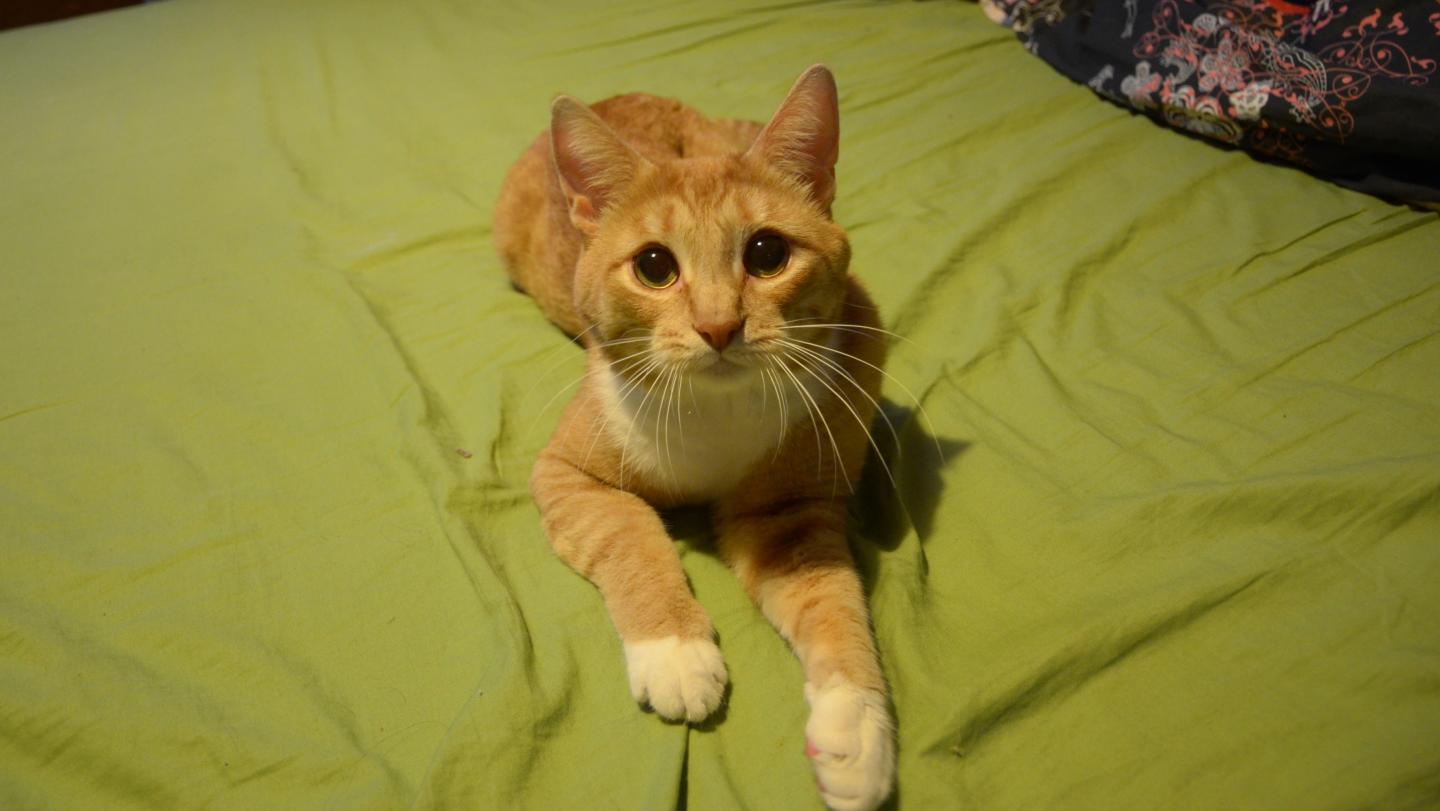
Mice that are exposed to the powerful smell of cat urine early in life do not escape from cats later in life. Researchers at the A. N. Severtsov Institute of Ecology and Evolution, Russia, have discovered that mice that smell cat urine early in life, do not avoid the same odour, and therefore do not escape from their feline predators, later in life.
"Because the young mice (less than 2 weeks-old) are being fed milk while being exposed to the odour, they experience positive reinforcement," says Dr Vera Voznessenskaya, one of the lead researchers behind this study. "So they don't escape the cats when exposed to cat odour later on."
The researchers have identified the molecule in the urine responsible for these effects as L-Felinine.
"We already knew that odour affects reproduction in mice: in fact, this molecule (L-Felinine) is capable of blocking pregnancy in females and reducing the size of the litter," explains Dr Voznessenskaya.
Interestingly, while the mice don't escape from the odour later in life, they still experience hormonal changes throughout their life. "Early exposure to cat odour changes behavioral reactions to, but not physiological (hormonal) responses in the mice, which remain elevated. In fact, mice that had experienced the odour showed stress response (elevated corticosterone) to cat odours in the same way as controls."
"Because the young mice (less than 2 weeks-old) are being fed milk while being exposed to the odour, they experience positive reinforcement," says Dr Vera Voznessenskaya, one of the lead researchers behind this study. "So they don't escape the cats when exposed to cat odour later on."
The researchers have identified the molecule in the urine responsible for these effects as L-Felinine.
"We already knew that odour affects reproduction in mice: in fact, this molecule (L-Felinine) is capable of blocking pregnancy in females and reducing the size of the litter," explains Dr Voznessenskaya.
Interestingly, while the mice don't escape from the odour later in life, they still experience hormonal changes throughout their life. "Early exposure to cat odour changes behavioral reactions to, but not physiological (hormonal) responses in the mice, which remain elevated. In fact, mice that had experienced the odour showed stress response (elevated corticosterone) to cat odours in the same way as controls."
INFORMATION: