Experts 'scan horizon' to help prepare governments for next major biosecurity threat
Published 2021-02-03 · Original archive entry · Explore research explainers
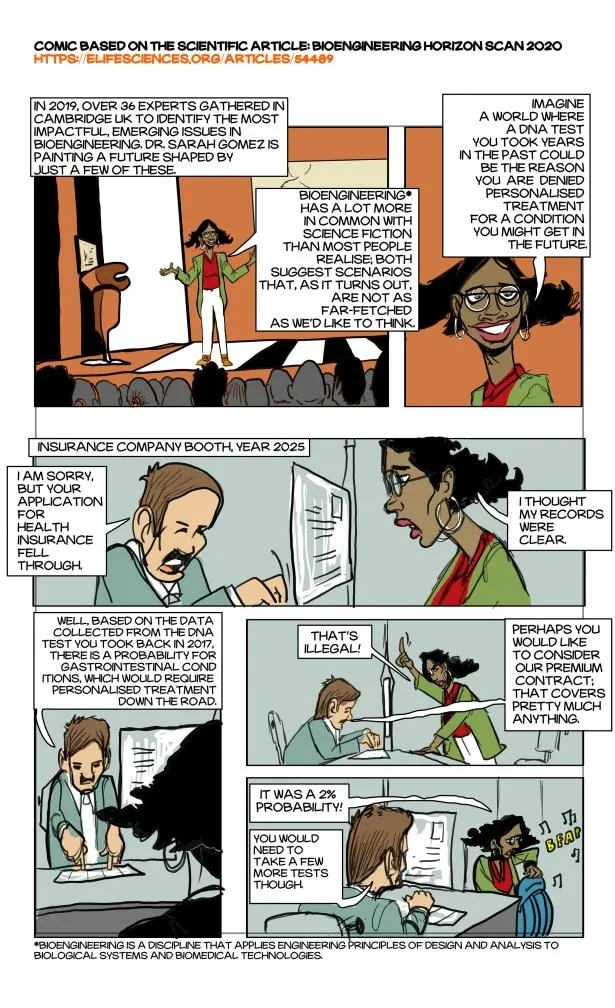
During the summer of 2019, a global team of experts put their heads together to define the key questions facing the UK government when it comes to biological security.
Facilitated by the Centre for Existential Risk (CSER) at the University of Cambridge and the BioRISC project at St Catharine's College, the group of 41 academics and figures from industry and government submitted 450 questions which were then debated, voted on and ranked to define the 80 most urgent.
The final line-up includes major questions on future disease threats, including what role shifts in climate and land use might play, and whether data from social media platforms should be used to help detect the earliest signs of emerging pathogens.
Other key areas that experts believe should be a focus for investigation include questions around custom DNA synthesis and threats from "human-engineered agents", the challenges posed by Brexit and vulnerabilities in transport and food systems, risks from "invasive alien species" in water and soil, and how best to incorporate biological security issues in scientific education.
Researchers say that these questions, published in the journal END
Facilitated by the Centre for Existential Risk (CSER) at the University of Cambridge and the BioRISC project at St Catharine's College, the group of 41 academics and figures from industry and government submitted 450 questions which were then debated, voted on and ranked to define the 80 most urgent.
The final line-up includes major questions on future disease threats, including what role shifts in climate and land use might play, and whether data from social media platforms should be used to help detect the earliest signs of emerging pathogens.
Other key areas that experts believe should be a focus for investigation include questions around custom DNA synthesis and threats from "human-engineered agents", the challenges posed by Brexit and vulnerabilities in transport and food systems, risks from "invasive alien species" in water and soil, and how best to incorporate biological security issues in scientific education.
Researchers say that these questions, published in the journal END