Sexual receptivity and rejection may be orchestrated by the same brain region
Published 2021-04-20 · Original archive entry · Explore research explainers
In many species, including humans and mice, the fluctuating levels of the hormones progesterone and estrogen determine whether the female is fertile or not. And in the case of mice, whether she's sexually receptive or not.
The change in receptivity is striking. Female mice shift from accepting sexual partners to aggressively rejecting them across a cycle of six short days. How can the female reproductive hormones bring about such a radical behavioural change?
When searching for an explanation, the team of Susana Lima, a principal investigator at the Champalimaud Centre for the Unknown in Portugal, came across an intriguing discovery.
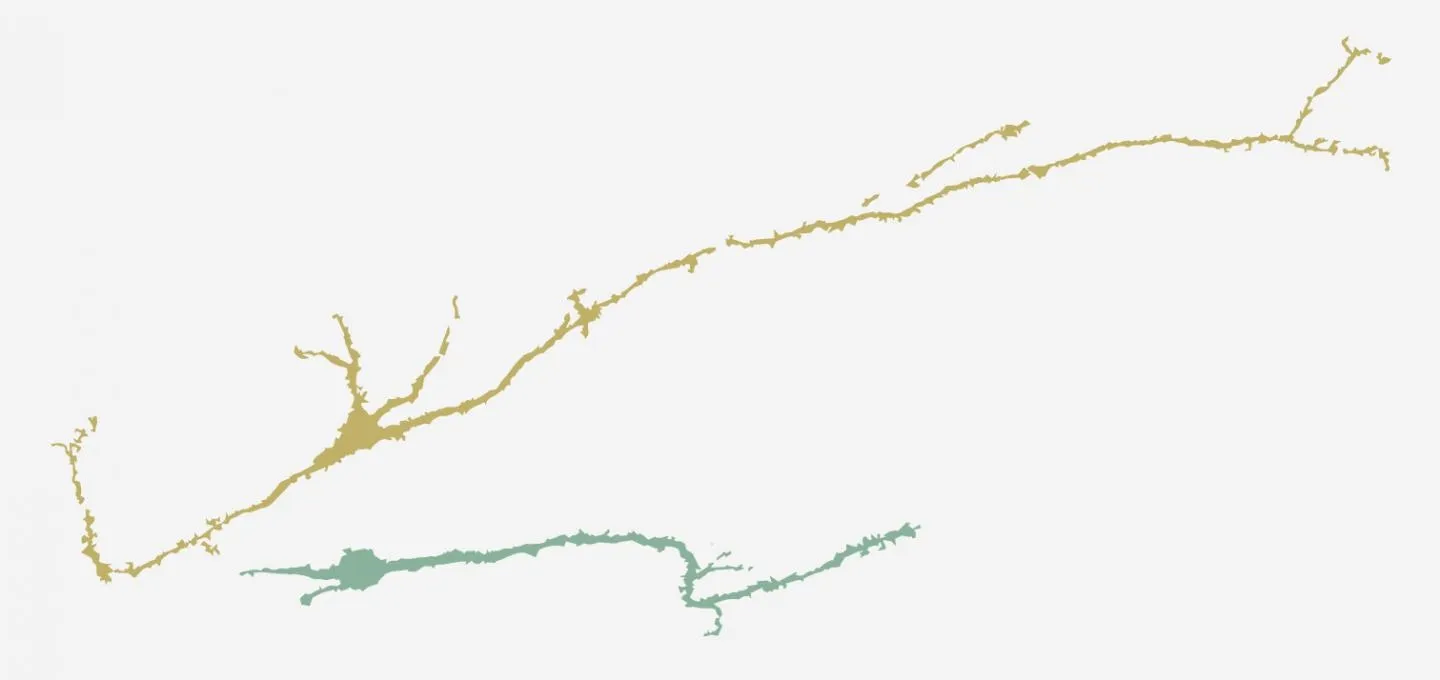
"Our experiments revealed that a brain area important for female receptivity, called the VMH (ventromedial hypothalamus), is actually made up of distinct compartments. And within each compartment, we found neurons whose activity - and even structure - fluctuate with the female reproductive cycle", says Lima.
These findings, published today (April 20th) in the journal eNeuro, uncover heterogeneity within the VMH that may serve to control the two extremes of female sexual behaviour - receptivity and rejection.
When One Becomes Three
The current study stems from END
The change in receptivity is striking. Female mice shift from accepting sexual partners to aggressively rejecting them across a cycle of six short days. How can the female reproductive hormones bring about such a radical behavioural change?
When searching for an explanation, the team of Susana Lima, a principal investigator at the Champalimaud Centre for the Unknown in Portugal, came across an intriguing discovery.
"Our experiments revealed that a brain area important for female receptivity, called the VMH (ventromedial hypothalamus), is actually made up of distinct compartments. And within each compartment, we found neurons whose activity - and even structure - fluctuate with the female reproductive cycle", says Lima.
These findings, published today (April 20th) in the journal eNeuro, uncover heterogeneity within the VMH that may serve to control the two extremes of female sexual behaviour - receptivity and rejection.
When One Becomes Three
The current study stems from END