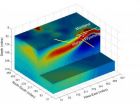
West Antarctic warming triggered by warmer sea surface in tropical Pacific
The Antarctic Peninsula has warmed rapidly for the last half-century or more, and recent studies have shown that an adjacent area, continental West Antarctica, has steadily warmed for at least 30 years, but scientists haven't been sure why. New University of Washington research shows that rising sea surface temperatures in the area of the Pacific Ocean along the equator and near the International Date Line drive atmospheric circulation that has caused some of the largest shifts in Antarctic climate in recent decades. The warmer water generates rising air that creates ...
Read the release