Treating ill health might not be enough to help homeless people get off the streets
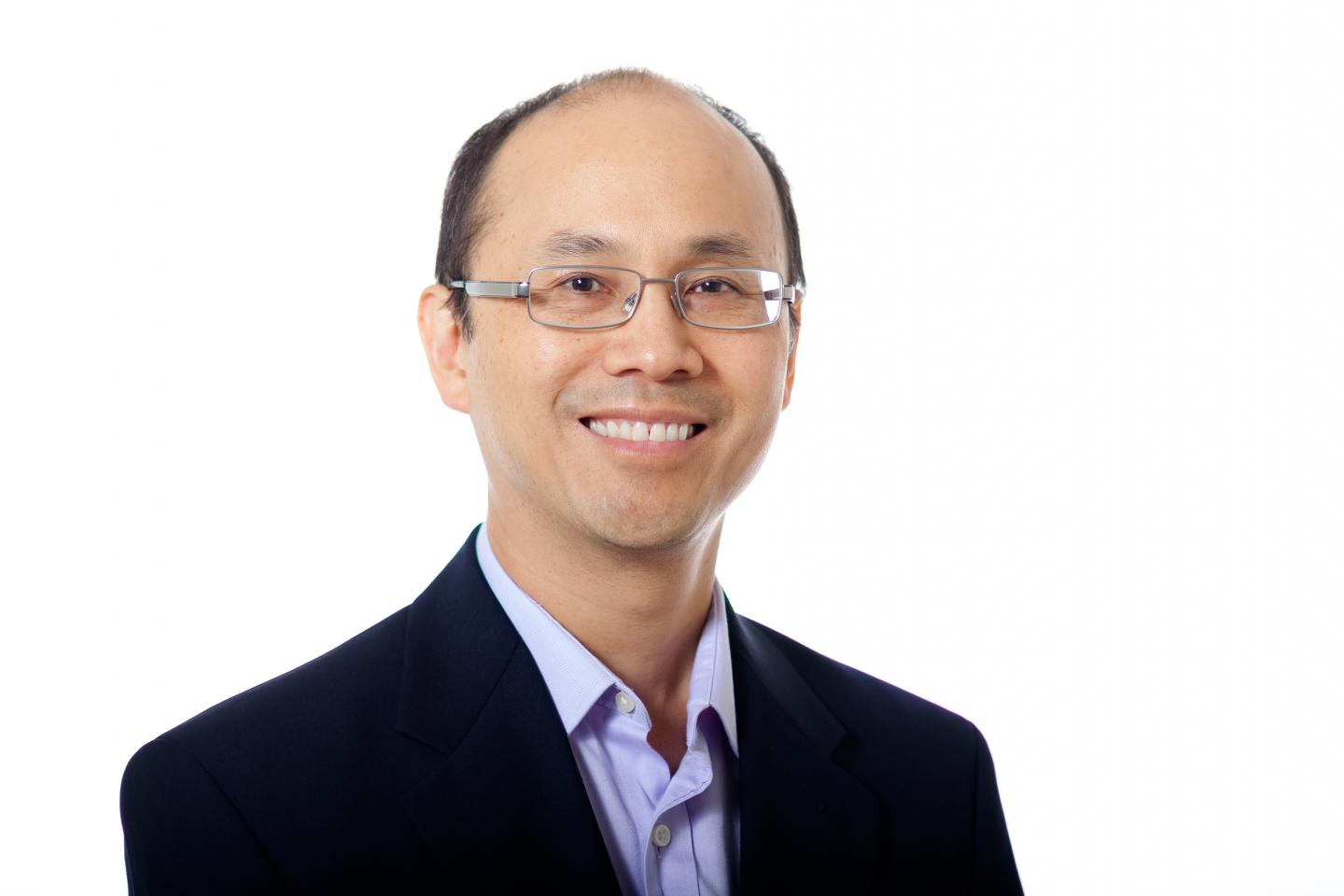
The Lancet series says that while government targets to improve the health of homeless people should be introduced (e.g. for the identification and management of infectious diseases, mental illness and diseases of old age), health care providers should also advocate for changes to the social policies and structural factors that result in homelessness, including the lack of affordable housing and employment opportunities for low-skilled workers.
The papers note there are some programs in high-income countries bridging the gap between homelessness and health services, such as the Housing First programs that provide housing and support services for homeless individuals with severe mental illness or substance abuse problems. Dr. Hwang is the principal investigator in Toronto for the At Home/Chez Soi project evaluating Housing First in Canada.
Medical respite programmes for homeless patients leaving hospital reduce the risk of readmission and the number of days spent in hospital.
St. Michael's also has two interventions aimed at helping people with unmet, complex health care needs access health resources in the community: CATCH-Homeless and CATCH-ED, specifically for people who use Emergency Departments five or more times a year, at least one of those times for a mental health and-or addiction problem. CATCH case managers work with family physicians, psychiatrists and other service providers to support patients' access to such things as medical care and mental health and addiction services
However, these examples are not the norm and much more needs to be done, said Dr. Hwang.
"It needs to be recognised that preventing homelessness, by creating more opportunities for housing, work, education, and health care during high risk periods, such as being discharged from institutional care, psychiatric hospital or prisons to the community, could effectively reduce homelessness and makes sound economic sense."
INFORMATION:
About St. Michael's Hospital
St Michael's Hospital provides compassionate care to all who enter its doors. The hospital also provides outstanding medical education to future health care professionals in more than 23 academic disciplines. Critical care and trauma, heart disease, neurosurgery, diabetes, cancer care, care of the homeless and global health are among the Hospital's recognized areas of expertise. Through the Keenan Research Centre and the Li Ka Shing International Healthcare Education Centre, which make up the Li Ka Shing Knowledge Institute, research and education at St. Michael's Hospital are recognized and make an impact around the world. Founded in 1892, the hospital is fully affiliated with the University of Toronto.
For more information, or to interview Dr. Hwang, contact:
Leslie Shepherd
Manager, Media Strategy
St. Michael's Hospital
416-864-6094
shepherdl@smh.ca
http://www.stmichaelshospital.com
Follow us on Twitter: http://www.twitter.com/stmikeshospital