Pandemic shows essential role of ECT as treatment for severe depression
Survey of 20 centers nationwide reveals impacts of reduced services
Published 2021-06-02 · Original archive entry · Explore research explainers
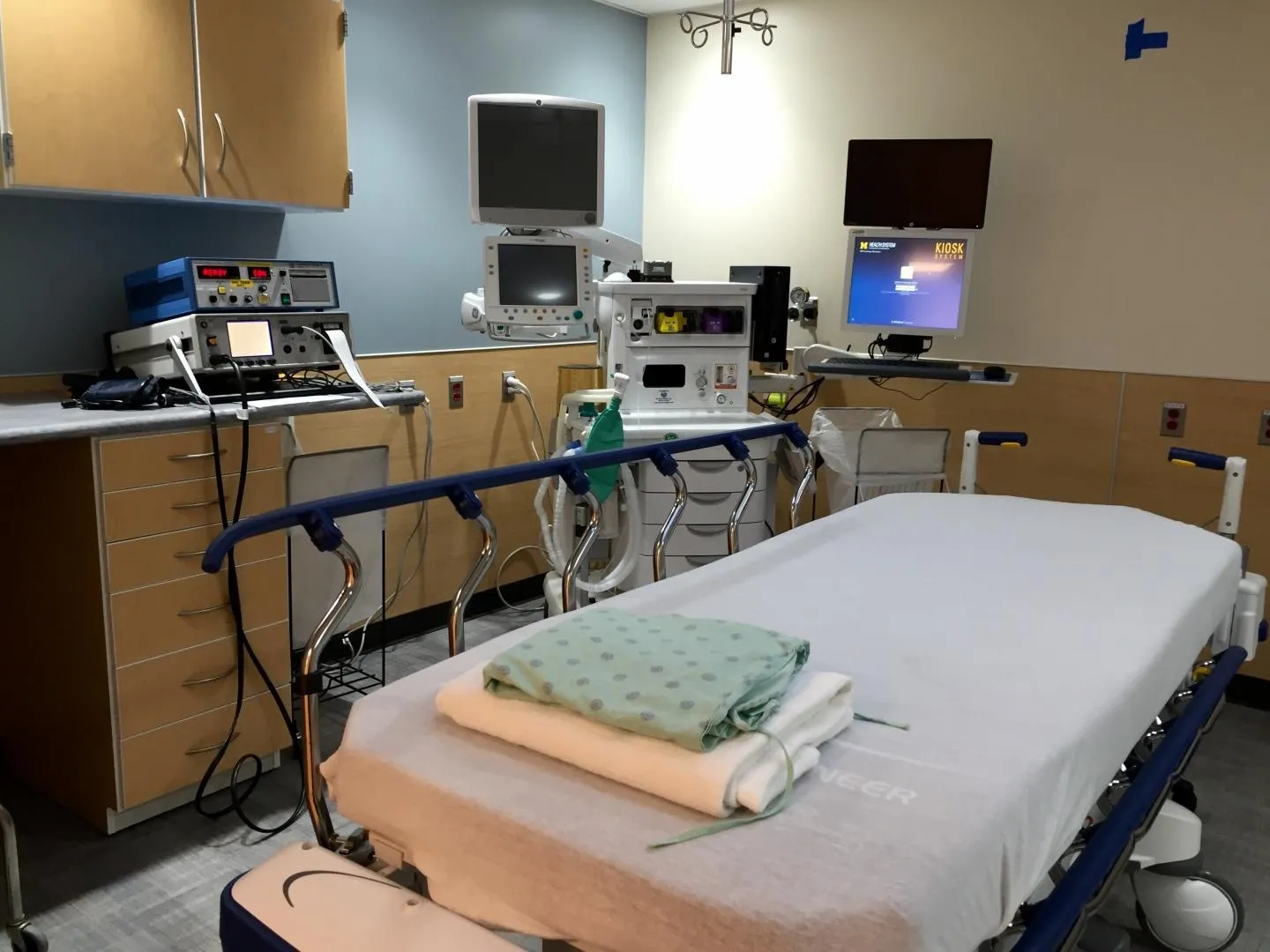
When the COVID-19 pandemic arrived in North America in March 2020, health care facilities stopped providing all but "essential" care, to reduce infection risks and preserve protective gear known as PPE.
That included changes at many centers that provide ECT (electroconvulsive therapy) for severe depression and other conditions, a new survey shows.
Because ECT involves anesthesia, so that patients are unconscious when carefully controlled pulses of electricity are delivered to key areas of the brain, it is considered an 'aerosol generating' procedure. That means it poses special risks when a respiratory virus such as the novel coronavirus is in widespread circulation.
In a new END
That included changes at many centers that provide ECT (electroconvulsive therapy) for severe depression and other conditions, a new survey shows.
Because ECT involves anesthesia, so that patients are unconscious when carefully controlled pulses of electricity are delivered to key areas of the brain, it is considered an 'aerosol generating' procedure. That means it poses special risks when a respiratory virus such as the novel coronavirus is in widespread circulation.
In a new END