New drug therapy combination shows promise for advanced melanoma patients
Published 2025-03-21 · Original archive entry · Explore research explainers
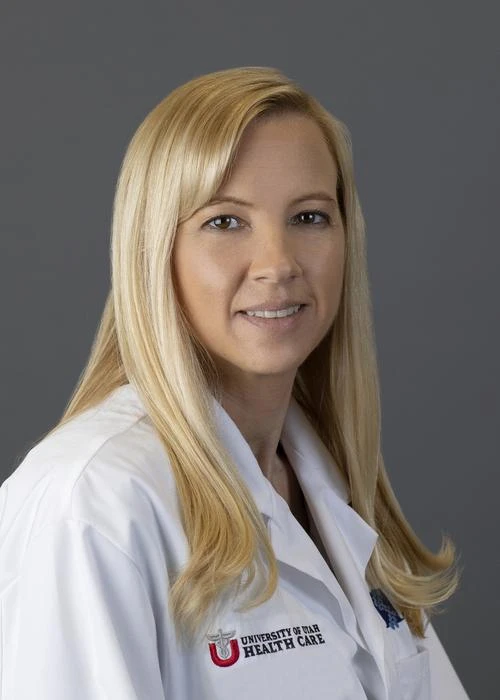
A federally funded research team led by Sheri Holmen, PhD, investigator at Huntsman Cancer Institute and professor in the Department of Surgery at the University of Utah (the U), is testing a new combination drug therapy that could both treat and prevent melanoma metastasis, or spreading from its original site, to the brain.
“Once melanoma has spread to the brain, it’s very hard to treat. Metastasis to the brain is one of the main causes of death from melanoma,” says Holmen. “We wanted to find a solution to an unmet clinical need for those patients who had no other treatment options available, and this is a huge step forward.”
Holmen and her team first examined what causes melanoma cells to spread to the brain and identified focal adhesion kinase (FAK) as a potential target for new therapies. FAK is an enzyme that regulates cell growth, and, they found, is a major contributor to melanoma metastasis.
If caught early, melanoma can be treatable with surgical removal. But once the disease has spread beyond the skin to other organs, it becomes more difficult to treat—and more fatal.
Immunotherapy, using a patient’s own immune system to attack cancer cells, is often the first line of treatment for advanced melanoma patients. But, Holmen says, this treatment doesn’t work as well once the tumor has spread to the brain. There are also targeted drug therapies that people take orally as a pill.
“Patients can become resistant to those drugs over time. And once the disease has reached the brain, they also don’t work as well,” says Holmen. “The window of time to treat a patient with brain metastasis is shortened quite significantly because the average survival from time of diagnosis of brain metastasis is only about a year—even while using these other therapies.”
Holmen and her research team found that inhibiting the enzyme FAK in combination with an inhibitor of RAF and MEK—which targets another cellular pathway that regulates cancer cell growth—was effective in prolonging survival rates in preclinical mouse models. They specifically studied a subtype of melanoma triggered by a mutation of BRAF, a gene that helps regulate cell division. A mutation of this gene has been identified with several types of cancer, including an estimated 50% of patients with metastatic melanoma.
“This combination drug therapy also stopped the development of brain metastasis, and that’s where this research is very exciting,” says Holmen. “Not only did it treat the tumor once it spread to and was growing in the brain, it also prevented the cells from getting there in the first place.”
This combination drug therapy was evaluated through support by the National Cancer Institute and in partnership with Verastem Oncology, and the results of their research have been published in Cell Reports Medicine.
The oral treatment combines two drugs: defactinib, which blocks a protein called FAK, and avutometinib, which blocks proteins called RAF and MEK. This combination therapy could make treatment more accessible for melanoma patients who have difficulty traveling long distances. Melanoma rates are consistently high in states across the Mountain West, the area Huntsman Cancer Institute serves.
“Receiving a treatment like immunotherapy requires an infusion, and patients have to travel to a hospital or clinic for that kind of specialized treatment,” says Holmen. “Having oral drugs available will increase treatment options for our patients, especially those living in rural and frontier areas.”
The study, led by Howard Colman, MD, PhD, professor in the Department of Neurosurgery at the U, has now moved into clinical trials for patients at Huntsman Cancer Institute and Holden Comprehensive Cancer Center at the University of Iowa. The study is open to patients with melanoma with brain metastases.
The research described in this release is supported by the National Institutes of Health/National Cancer Institute including P30 CA042014, R01CA121118, and Huntsman Cancer Foundation.
About Huntsman Cancer Institute at the University of Utah
Huntsman Cancer Institute at the University of Utah (the U) is the National Cancer Institute-designated Comprehensive Cancer Center for Utah, Idaho, Montana, Nevada, and Wyoming. With a legacy of innovative cancer research, groundbreaking discoveries, and world-class patient care, we are transforming the way cancer is understood, prevented, diagnosed, treated, and survived. Huntsman Cancer Institute focuses on delivering a cancer-free frontier to all communities in the area we serve. We have more than 300 open clinical trials and 250 research teams studying cancer at any given time. More genes for inherited cancers have been discovered at Huntsman Cancer Institute than at any other cancer center. Our scientists are world-renowned for understanding how cancer begins and using that knowledge to develop innovative approaches to treat each patient’s unique disease. Huntsman Cancer Institute was founded by Jon M. and Karen Huntsman.
END
“Once melanoma has spread to the brain, it’s very hard to treat. Metastasis to the brain is one of the main causes of death from melanoma,” says Holmen. “We wanted to find a solution to an unmet clinical need for those patients who had no other treatment options available, and this is a huge step forward.”
Holmen and her team first examined what causes melanoma cells to spread to the brain and identified focal adhesion kinase (FAK) as a potential target for new therapies. FAK is an enzyme that regulates cell growth, and, they found, is a major contributor to melanoma metastasis.
If caught early, melanoma can be treatable with surgical removal. But once the disease has spread beyond the skin to other organs, it becomes more difficult to treat—and more fatal.
Immunotherapy, using a patient’s own immune system to attack cancer cells, is often the first line of treatment for advanced melanoma patients. But, Holmen says, this treatment doesn’t work as well once the tumor has spread to the brain. There are also targeted drug therapies that people take orally as a pill.
“Patients can become resistant to those drugs over time. And once the disease has reached the brain, they also don’t work as well,” says Holmen. “The window of time to treat a patient with brain metastasis is shortened quite significantly because the average survival from time of diagnosis of brain metastasis is only about a year—even while using these other therapies.”
Holmen and her research team found that inhibiting the enzyme FAK in combination with an inhibitor of RAF and MEK—which targets another cellular pathway that regulates cancer cell growth—was effective in prolonging survival rates in preclinical mouse models. They specifically studied a subtype of melanoma triggered by a mutation of BRAF, a gene that helps regulate cell division. A mutation of this gene has been identified with several types of cancer, including an estimated 50% of patients with metastatic melanoma.
“This combination drug therapy also stopped the development of brain metastasis, and that’s where this research is very exciting,” says Holmen. “Not only did it treat the tumor once it spread to and was growing in the brain, it also prevented the cells from getting there in the first place.”
This combination drug therapy was evaluated through support by the National Cancer Institute and in partnership with Verastem Oncology, and the results of their research have been published in Cell Reports Medicine.
The oral treatment combines two drugs: defactinib, which blocks a protein called FAK, and avutometinib, which blocks proteins called RAF and MEK. This combination therapy could make treatment more accessible for melanoma patients who have difficulty traveling long distances. Melanoma rates are consistently high in states across the Mountain West, the area Huntsman Cancer Institute serves.
“Receiving a treatment like immunotherapy requires an infusion, and patients have to travel to a hospital or clinic for that kind of specialized treatment,” says Holmen. “Having oral drugs available will increase treatment options for our patients, especially those living in rural and frontier areas.”
The study, led by Howard Colman, MD, PhD, professor in the Department of Neurosurgery at the U, has now moved into clinical trials for patients at Huntsman Cancer Institute and Holden Comprehensive Cancer Center at the University of Iowa. The study is open to patients with melanoma with brain metastases.
The research described in this release is supported by the National Institutes of Health/National Cancer Institute including P30 CA042014, R01CA121118, and Huntsman Cancer Foundation.
About Huntsman Cancer Institute at the University of Utah
Huntsman Cancer Institute at the University of Utah (the U) is the National Cancer Institute-designated Comprehensive Cancer Center for Utah, Idaho, Montana, Nevada, and Wyoming. With a legacy of innovative cancer research, groundbreaking discoveries, and world-class patient care, we are transforming the way cancer is understood, prevented, diagnosed, treated, and survived. Huntsman Cancer Institute focuses on delivering a cancer-free frontier to all communities in the area we serve. We have more than 300 open clinical trials and 250 research teams studying cancer at any given time. More genes for inherited cancers have been discovered at Huntsman Cancer Institute than at any other cancer center. Our scientists are world-renowned for understanding how cancer begins and using that knowledge to develop innovative approaches to treat each patient’s unique disease. Huntsman Cancer Institute was founded by Jon M. and Karen Huntsman.
END