Belize protected area boosting predatory fish populations
Herbivorous fish needed for reef recovery still lagging
Published 2011-12-22 · Original archive entry · Explore research explainers
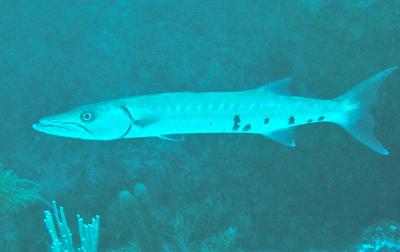
A 14-year study by the Wildlife Conservation Society in an atoll reef lagoon in Glover's Reef, Belize has found that fishing closures there produce encouraging increases in populations of predatory fish species. However, such closures have resulted in only minimal increases in herbivorous fish, which feed on the algae that smother corals and inhibit reef recovery.
The findings will help WCS researchers in their search for new solutions to the problem of restoring Caribbean reefs damaged by fishing and climate change.
The study appears in an online version of Aquatic Conservation: Marine and Freshwater Ecosystems. The authors include: Tim McClanahan, N.A. Muthiga, and R.A. Coleman of the Wildlife Conservation Society.
Specifically, the fishing closures have resulted in the recovery of species such as barracuda, groupers, snappers, and other predatory fish. Herbivorous fish such as parrotfish and surgeonfish, however, managed only slight recoveries, along with a small amount of the herbivory needed to reduce erect algae and promote the growth of more hard corals. This modest recovery of herbivorous fish has not been sufficient in reversing the degradation of the reefs by algae that have overgrown the reef and replaced the coral that once occupied 75 percent, but now represent less than 20 percent, of the seafloor cover. The authors note that a recent national-level ban by the Belizean government on the fishing of parrotfish—a widespread herbivorous species—may be the key to reef recovery, provided that the fishing ban is enforced and met with compliance. WCS provided valuable data through its monitoring program at Glover's Reef to justify the landmark measure to protect reef grazers.
"The fishing ban in the fully protected portion of the lagoon was expected to result in an increase in predatory fish and—more importantly—herbivorous fish such as parrotfish that in turn reverse the degraded condition of algal dominance in this reef," said Dr. Tim McClanahan, lead author of the study and head of WCS's coral reef research and conservation program. "What happened was a recovery of predatory fish, but not of the herbivorous fish, a finding that is forcing us to come up with a more effective model of reef management and recovery. If the nation-wide ban on parrotfish is successful, then we can see if this type of large-scale management is the only effective solution for protecting coral reefs."
According to the authors, a number of factors could be contributing to the unpredicted responses of fishing closures, which considerably complicates the understanding of coral reef ecology and management. The complex web of species interactions may produce unexpected cascading effects because of underestimates in the possible responses to bans on fishing. Other possible reason: the size of the closure may be too small to produce the desired effect, or there may be a failure of compliance with fishers following the ban. The authors also mention that environmental factors such as oceanographic oscillations and warming waters complicate any attempt to establish cause-and-effect relationships in these systems, as they noted a loss in coral cover across the 1998 El Niño that killed many corals worldwide.
"It is encouraging to see the recovery of large predatory fish such as groupers and snappers under significant pressure elsewhere in Belize, but the lagging herbivorous fish is a warning that there is no single solution to coral reef conservation," said Dr. Caleb McClennen, Director of WCS's Marine Program. "While no-take zones are critical, more comprehensive ecosystem-based management is essential throughout the range of targeted species for long term recovery of the entire Meso-American Barrier Reef."
From Fiji to Kenya to Glover's Reef, Dr. Tim McClanahan's research examines the ecology, fisheries, climate change effects, and management of coral reefs at key sites throughout the world. This work has been supported by the John D. and Catherine T. MacArthur Foundation and The Tiffany & Co. Foundation. WCS wishes to acknowledge the Oak Foundation and The Summit Foundation for their generous support of this study and our marine conservation work throughout Belize.
INFORMATION:
The findings will help WCS researchers in their search for new solutions to the problem of restoring Caribbean reefs damaged by fishing and climate change.
The study appears in an online version of Aquatic Conservation: Marine and Freshwater Ecosystems. The authors include: Tim McClanahan, N.A. Muthiga, and R.A. Coleman of the Wildlife Conservation Society.
Specifically, the fishing closures have resulted in the recovery of species such as barracuda, groupers, snappers, and other predatory fish. Herbivorous fish such as parrotfish and surgeonfish, however, managed only slight recoveries, along with a small amount of the herbivory needed to reduce erect algae and promote the growth of more hard corals. This modest recovery of herbivorous fish has not been sufficient in reversing the degradation of the reefs by algae that have overgrown the reef and replaced the coral that once occupied 75 percent, but now represent less than 20 percent, of the seafloor cover. The authors note that a recent national-level ban by the Belizean government on the fishing of parrotfish—a widespread herbivorous species—may be the key to reef recovery, provided that the fishing ban is enforced and met with compliance. WCS provided valuable data through its monitoring program at Glover's Reef to justify the landmark measure to protect reef grazers.
"The fishing ban in the fully protected portion of the lagoon was expected to result in an increase in predatory fish and—more importantly—herbivorous fish such as parrotfish that in turn reverse the degraded condition of algal dominance in this reef," said Dr. Tim McClanahan, lead author of the study and head of WCS's coral reef research and conservation program. "What happened was a recovery of predatory fish, but not of the herbivorous fish, a finding that is forcing us to come up with a more effective model of reef management and recovery. If the nation-wide ban on parrotfish is successful, then we can see if this type of large-scale management is the only effective solution for protecting coral reefs."
According to the authors, a number of factors could be contributing to the unpredicted responses of fishing closures, which considerably complicates the understanding of coral reef ecology and management. The complex web of species interactions may produce unexpected cascading effects because of underestimates in the possible responses to bans on fishing. Other possible reason: the size of the closure may be too small to produce the desired effect, or there may be a failure of compliance with fishers following the ban. The authors also mention that environmental factors such as oceanographic oscillations and warming waters complicate any attempt to establish cause-and-effect relationships in these systems, as they noted a loss in coral cover across the 1998 El Niño that killed many corals worldwide.
"It is encouraging to see the recovery of large predatory fish such as groupers and snappers under significant pressure elsewhere in Belize, but the lagging herbivorous fish is a warning that there is no single solution to coral reef conservation," said Dr. Caleb McClennen, Director of WCS's Marine Program. "While no-take zones are critical, more comprehensive ecosystem-based management is essential throughout the range of targeted species for long term recovery of the entire Meso-American Barrier Reef."
From Fiji to Kenya to Glover's Reef, Dr. Tim McClanahan's research examines the ecology, fisheries, climate change effects, and management of coral reefs at key sites throughout the world. This work has been supported by the John D. and Catherine T. MacArthur Foundation and The Tiffany & Co. Foundation. WCS wishes to acknowledge the Oak Foundation and The Summit Foundation for their generous support of this study and our marine conservation work throughout Belize.
INFORMATION: