Medicine Technology 🌱 Environment Space Energy Physics Engineering Social Science Earth Science Science
It's the pits: Ancient peach stones offer clues to fruit's origins
Science 2014-09-05

It's the pits: Ancient peach stones offer clues to fruit's origins

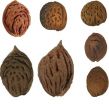
Anyone who enjoys biting into a sweet, fleshy peach can now give thanks to the people who first began domesticating this fruit: Chinese farmers who lived 7,500 years ago. In a study published today in PLOS ONE, Gary Crawford, a U of T Mississauga anthropology professor, and two Chinese colleagues propose that the domestic peaches enjoyed worldwide today can trace their ancestry back at least 7,500 years ago to the lower Yangtze River Valley in Southern China, not far from Shanghai. The study, headed by Yunfei Zheng from the Zhejiang Institute of Archeology in China's ...
Read more →
Like weeds of the sea, 'brown tide' algae exploit nutrient-rich coastlines
Science 2014-09-05

Like weeds of the sea, 'brown tide' algae exploit nutrient-rich coastlines

The sea-grass beds of Long Island's Great South Bay once teemed with shellfish. Clams, scallops and oysters filtered nutrients from the water and flushed money through the local economy. But three decades after the algae that cause brown tides first appeared here, much of the sea grass and the bounty it used to provide is gone. Spring on eastern Long Island is now marked by dense blooms of Aureococcus anophagefferens, which turn estuaries like Great South Bay the color of mud and crowd out native sea grass and stunt or poison shellfish. For years, researchers have puzzled ...
Read more →
Science 2014-09-05

Past sexual assault triples risk of future assault for college women

BUFFALO, N.Y. -- Disturbing news for women on college campuses: a new study from the University at Buffalo Research Institute on Addictions (RIA) indicates that female college students who are victims of sexual assault are at a much higher risk of becoming victims again. In fact, researchers found that college women who experienced severe sexual victimization were three times more likely than their peers to experience severe sexual victimization the following year. RIA researchers followed nearly 1,000 college women, most age 18 to 21, over a five-year period, studying ...
Read more →
Medicine 2014-09-05

Breast cancer specialist reports advance in treatment of triple-negative breast cancer

William M. Sikov, a medical oncologist in the Breast Health Center and associate director for clinical research in the Program in Women's Oncology at Women & Infants Hospital of Rhode Island, served as study chair and lead author for a recently-published major national study that could lead to improvements in outcomes for women with triple-negative breast cancer, an aggressive form of the disease that disproportionately affects younger women. "Impact of the Addition of Carboplatin and/or Bevacizumab to Neoadjuvant Once-Per-Week Paclitaxel Followed by Dose-Dense Doxorubicin ...
Read more →
Syracuse University physicists explore biomimetic clocks
Physics 2014-09-05

Syracuse University physicists explore biomimetic clocks

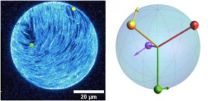
Working with a team of scientists from the Technical University of Munich (TU Munich), Brandeis University, and Leiden University in the Netherlands, M. Cristina Marchetti and Mark Bowick, professors in the Soft Matter Program in the Syracuse University College of Arts and Sciences, have engineered and studied "active vesicles." These purely synthetic, molecularly thin sacs are capable of transforming energy, injected at the microscopic level, into organized, self-sustained motion. Their findings are the subject of a cover-story in the Sept. 5 issue of Science magazine. The ...
Read more →
Medicine 2014-09-05

Thousands of nuclear loci via target enrichment and genome skimming

The use of next-generation sequencing (NGS) technologies in phylogenetic studies is in a state of continual development and improvement. Though the botanically-inclined have historically focused on markers from the chloroplast genome, the importance of incorporating nuclear data is becoming increasingly evident. Nuclear genes provide not only the potential to resolve relationships between closely related taxa, but also the means to disentangle hybridization and better understand incongruences caused by incomplete lineage sorting and introgression. By harnessing the power ...
Read more →
Social Science 2014-09-05

Social support: How to thrive through close relationships

PITTSBURGH—Close and caring relationships are undeniably linked to health and well-being for all ages. Previous research has shown that individuals with supportive and rewarding relationships have better physical and mental health and lower mortality rates. However, exactly how meaningful relationships affect health has remained less clear. In a new paper, Carnegie Mellon University's Brooke Feeney and University of California, Santa Barbara's Nancy L. Collins detail specific interpersonal processes that explain how close relationships help individuals thrive. Published ...
Read more →
Medicine 2014-09-05

Dietary recommendations may be tied to increased greenhouse gas emissions

ANN ARBOR—If Americans altered their menus to conform to federal dietary recommendations, emissions of heat-trapping greenhouse gases tied to agricultural production could increase significantly, according to a new study by University of Michigan researchers. Martin Heller and Gregory Keoleian of U-M's Center for Sustainable Systems looked at the greenhouse gas emissions associated with the production of about 100 foods, as well as the potential effects of shifting Americans to a diet recommended by the U.S. Department of Agriculture. They found that if Americans adopted ...
Read more →
Medicine 2014-09-05

Disease in a dish approach could aid Huntington's disease discovery

Creating induced pluripotent stem cells or iPS cells allows researchers to establish "disease in a dish" models of conditions ranging from Alzheimer's disease to diabetes. Scientists at Yerkes National Primate Research Center have now applied the technology to a model of Huntington's disease (HD) in transgenic nonhuman primates, allowing them to conveniently assess the efficacy of potential therapies on neuronal cells in the laboratory. The results were published in Stem Cell Reports. "A highlight of our model is that our progenitor cells and neurons developed cellular ...
Read more →
Novel immunotherapy vaccine decreases recurrence in HER2 positive breast cancer patients
Medicine 2014-09-05

Novel immunotherapy vaccine decreases recurrence in HER2 positive breast cancer patients

A new breast cancer vaccine candidate, (GP2), provides further evidence of the potential of immunotherapy in preventing disease recurrence. This is especially the case for high-risk patients when it is combined with a powerful immunotherapy drug. These findings are being presented by The University of Texas MD Anderson Cancer Center at the 2014 American Society of Clinical Oncology's Breast Cancer Symposium in San Francisco. One of only a few vaccines of its kind in development, GP2 has been shown to be safe and effective for breast cancer patients, reducing recurrence ...
Read more →
UT Southwestern researchers find new gene mutations for Wilms Tumor
Medicine 2014-09-05

UT Southwestern researchers find new gene mutations for Wilms Tumor

DALLAS – Sept. 5, 2014 – Researchers at UT Southwestern Medical Center and the Gill Center for Cancer and Blood Disorders at Children's Medical Center, Dallas, have made significant progress in defining new genetic causes of Wilms tumor, a type of kidney cancer found only in children. Wilms tumor is the most common childhood genitourinary tract cancer and the third most common solid tumor of childhood. "While most children with Wilms tumor are thankfully cured, those with more aggressive tumors do poorly, and we are increasingly concerned about the long-term adverse ...
Read more →
Medicine 2014-09-05

Study reveals breast surgery as a definitive and safe treatment for elderly patients

Singapore, 5 September 2014 – A study conducted by National Cancer Centre Singapore (NCCS) has shown that age per se is not a contraindication to breast cancer surgery, and such surgeries may be safely performed for women aged 80 years and above. Led by Dr Ong Kong Wee, Senior Consultant in the Division of Surgical Oncology, the team consists of Dr Veronique Tan, Consultant, and Dr Lee Chee Meng, Resident Doctor. The study explores the safety of breast cancer surgery in women aged 80 years and above. A retrospective analysis was performed on 109 elderly women who underwent ...
Read more →
Banked blood grows stiffer with age, study finds
Medicine 2014-09-05

Banked blood grows stiffer with age, study finds

CHAMPAIGN, Ill. — It may look like fresh blood and flow like fresh blood, but the longer blood is stored, the less it can carry oxygen into the tiny microcapillaries of the body, says a new study from University of Illinois researchers. Using advanced optical techniques, the researchers measured the stiffness of the membrane surrounding red blood cells over time. They found that, even though the cells retain their shape and hemoglobin content, the membranes get stiffer, which steadily decreases the cells' functionality. Led by electrical and computer engineering professor ...
Read more →
Medicine 2014-09-05

Brain mechanism underlying the recognition of hand gestures develops even when blind

Does a distinctive mechanism work in the brain of congenitally blind individuals when understanding and learning others' gestures? Or does the same mechanism as with sighted individuals work? Japanese researchers figured out that activated brain regions of congenitally blind individuals and activated brain regions of sighted individuals share common regions when recognizing human hand gestures. They indicated that a region of the neural network that recognizes others' hand gestures is formed in the same way even without visual information. The findings are discussed in ...
Read more →
Medicine 2014-09-05

Synthetic messenger boosts immune system

This news release is available in German. When a pathogen attacks a healthy cell in the body, T lymphocytes are tasked with identifying and destroying the infected cell. Scientists know that they undergo a "training program" for this task in the lymph nodes or the spleen. "Programming cells" play a key role here, presenting pathogen constituents to the T lymphocytes. This is how the T lymphocytes learn to recognize these components and become specialized "killer" cells. Research teams led by Prof. Percy Knolle from Klinikum rechts der Isar and the University of Bonn ...
Read more →
Medicine 2014-09-05

Combination microRNA therapy shown to suppress non-small-cell lung cancer

BOSTON – Micro RNAs (miRNA) have recently emerged as key therapeutic agents against cancers and are actively being evaluated in pre-clinical models of various cancers as well as in human clinical trials. Now, new findings show that a combination therapy of two miRNAs, let-7 and miR-34, suppressed tumor growth in an animal model of non-small-cell lung cancer, offering a promising therapeutic avenue for this extremely aggressive malignancy. Currently reported online in the journal Oncogene, the study provides two important examples of basic science discoveries making ...
Read more →
Medicine 2014-09-05

Stigma as a barrier to mental health care

Over 60 million Americans are thought to experience mental illness in a given year, and the impacts of mental illness are undoubtedly felt by millions more in the form of family members, friends, and coworkers. Despite the availability of effective evidence-based treatment, about 40% of individuals with serious mental illness do not receive care and many who begin an intervention fail to complete it. A new report, published in Psychological Science in the Public Interest, a journal of the Association for Psychological Science, investigates stigma as a significant barrier ...
Read more →
An 'anchor' that keeps proteins together
Medicine 2014-09-05

An 'anchor' that keeps proteins together

All organisms react to different external and internal stimuli: if, for example, the hyphae fungus Sordaria macrospora is supplied with food, it produces fruiting bodies as part of its oestrous cycle. To initiate this reaction, signals have to be transmitted within the cell, which are conveyed by proteins. Physical proximity is a fundamental requirement for different proteins to be able to communicate with each other. Generating that proximity is what scaffolding proteins do, by binding like an anchor to several proteins and keeping them together for the duration of signal ...
Read more →
Use of dengue vaccine may cause short-term spikes in its prevalence
Medicine 2014-09-05

Use of dengue vaccine may cause short-term spikes in its prevalence

CORVALLIS, Ore. – As researchers continue to work toward vaccines for serious tropical diseases such as dengue fever, experts caution in a new report that such vaccines will probably cause temporary but significant spikes in the disease in the years after they are first used. This counter-intuitive and unwanted result could lead to frustrated policy makers, a skeptical public and concerns that the vaccine is making things worse instead of better, researchers say. In fact, it will just be the natural result of complex interactions between less-than-perfect vaccine protection ...
Read more →
Science 2014-09-05

E-cigarettes: Studies presented at the ERS Congress

Munich, Germany: The latest evidence on the potential benefits and risks of e-cigarettes has been presented this week at the European Respiratory Society's International Congress in Munich. Electronic cigarettes have received much attention in recent years as their use has increased across Europe. As the devices are relatively new, there is little long-term evidence detailing the potential harm or benefit that these devices can cause. During the ERS Congress, a number of abstracts will be presented on the topic. The key outcomes are revealed here: Research into ...
Read more →
Medicine 2014-09-05

IBD patients: Consider giving infliximab a second try

Bethesda, MD (Sept. 5, 2014) — Restarting infliximab therapy after a drug holiday is safe and effective for patients with inflammatory bowel disease (IBD), according to a new study1 in Clinical Gastroenterology and Hepatology, the official clinical practice journal of the American Gastroenterological Association. "Our findings suggest that starting infliximab after a history of prior therapy can be very beneficial to patients," said lead study author Filip Baert, MD, PhD, from the department of gastroenterology, University Hospitals Leuven in Belgium. "Most striking, ...
Read more →
Medicine 2014-09-05

New blood test could offer more tailored treatment of ovarian cancer

A new blood test allowing doctors to predict which ovarian cancer patients will respond to particular types of treatment is a step closer following a new study by Manchester scientists. Researchers from The University of Manchester and The Christie NHS Foundation Trust - both part of Manchester Cancer Research Centre - say the test could be developed and used in hospitals within the next few years. It would mean medics could see which patients could benefit from blood vessel-targeting drugs - such as bevacizumab - in addition to conventional therapy. Meanwhilehile others ...
Read more →
California blue whales rebound from whaling, first of their kin to do so
Science 2014-09-05

California blue whales rebound from whaling, first of their kin to do so

The number of California blue whales has rebounded to near historical levels, according to new research by the University of Washington, and while the number of blue whales struck by ships is likely above allowable U.S. limits, such strikes do not immediately threaten that recovery. This is the only population of blue whales known to have recovered from whaling – blue whales as a species having been hunted nearly to extinction. Blue whales – nearly 100 feet in length and weighing 190 tons as adults – are the largest animals on earth. And they are the heaviest ever, weighing ...
Read more →
Glanville fritillary genome sequenced at the University of Helsinki
Medicine 2014-09-05

Glanville fritillary genome sequenced at the University of Helsinki

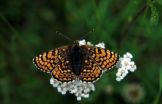
The Glanville fritillary has long been an internationally known model species for ecology and evolutionary biology, whose population biology has been studied on the Åland Islands for more than twenty years. Now the species has become even more significant. Led by Research Professor Ilkka Hanski, the Metapopulation Research Group (MRG) at the University of Helsinki has sequenced the full genome of the Glanville fritillary together with three groups from the Institute of Biotechnology at the same university. Before the sequencing of the Glanville fritillary genome, which ...
Read more →
Environment 2014-09-05

Near-extinct African amphibians 'invisible' under climate change

An international team of researchers has found that the majority of threatened species are 'invisible' when using modern methods to predict species distributions under climate change. Using African amphibians as a case study, the researchers found that more than 90 per cent of the species listed as threatened on The IUCN Red List of Threatened Species are omitted by the most popular tools for species distribution modelling. The study, led by researchers from the Universities of York and Copenhagen and the United Nations Environment Programme World Conservation Monitoring ...
Read more →