Cell study suggests pesticide exposure may increase COVID-19 susceptibility
Inflammation-induced mechanism might be linked with higher infection risk for veterans and people with metabolic disorders
Published 2021-04-26 · Original archive entry · Explore research explainers
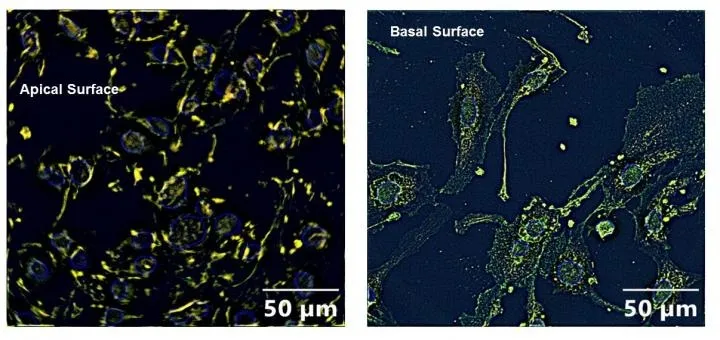
A new study performed in human lung airway cells is one of the first to show a potential link between exposure to organophosphate pesticides and increased susceptibility to COVID-19 infection. The findings could have implications for veterans, many of whom were exposed to organophosphate pesticides during wartime.
Exposure to organophosphate pesticides is thought to be one of the possible causes of Gulf War Illness, a cluster of medically unexplained chronic symptoms that can include fatigue, headaches, joint pain, indigestion, insomnia, dizziness, respiratory disorders and memory problems. More than 25% of Gulf War veterans are estimated to experience this condition.
"We have identified a basic mechanism linked with inflammation that could increase susceptibility to COVID-19 infection among people exposed to organophosphates," said Saurabh Chatterjee, PhD, from the University of South Carolina and a research health specialist at the Columbia VA Medical Center and leader of the research team. "This mechanism could also increase risk for people with metabolic diseases and cancer because they tend to exhibit the same type of inflammation."
Ayan Mondal, PhD, a postdoctoral fellow in Chatterjee's lab, will present the research at the END
Exposure to organophosphate pesticides is thought to be one of the possible causes of Gulf War Illness, a cluster of medically unexplained chronic symptoms that can include fatigue, headaches, joint pain, indigestion, insomnia, dizziness, respiratory disorders and memory problems. More than 25% of Gulf War veterans are estimated to experience this condition.
"We have identified a basic mechanism linked with inflammation that could increase susceptibility to COVID-19 infection among people exposed to organophosphates," said Saurabh Chatterjee, PhD, from the University of South Carolina and a research health specialist at the Columbia VA Medical Center and leader of the research team. "This mechanism could also increase risk for people with metabolic diseases and cancer because they tend to exhibit the same type of inflammation."
Ayan Mondal, PhD, a postdoctoral fellow in Chatterjee's lab, will present the research at the END