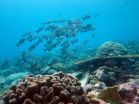
Climate impacts on marine biodiversity
New research into the impact of climate change has found that warming oceans will cause profound changes in the global distribution of marine biodiversity. In a study published in the journal Nature Climate Change an international research team modelled the impacts of a changing climate on the distribution of almost 13 thousand marine species, more than twelve times as many species as previously studied. The study found that a rapidly warming climate would cause many species to expand into new regions, which would impact on native species, while others with restricted ...
Read the release