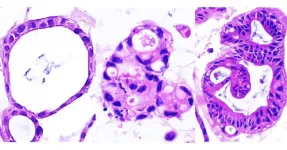
Organoids derived from gut stem cells reveal two distinct molecular subtypes of crohn’s disease
Crohn’s disease — an autoimmune disorder — is characterized by chronic inflammation of the digestive tract, resulting in a slew of debilitating gastrointestinal symptoms that vary from patient to patient. Complications of the disease can destroy the gut lining, requiring repeated surgeries. The poorly understood condition, which currently has no cure and few treatment options, often strikes young people, causing significant ill-health throughout their lifetime. One barrier to making progress in developing treatments has been the lack of preclinical animal models that accurately ...
Read the release