Goblet cells could be the guardians of the gut
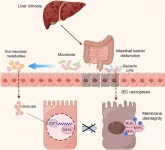
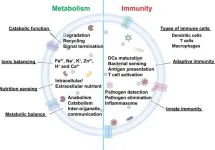
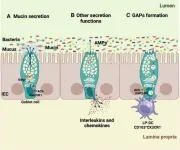
In a recent study, researchers at the University of California, San Diego, have provided new insights into the central role of goblet cells—specialized cells that line the gut—in maintaining a healthy and balanced immune environment within the gastrointestinal (GI) tract. Led by Dr Fernanda Raya Tonetti, with Dr. Cristina Llorente directing the project and making significant contributions, the study underscores the critical roles of these cells, which act not only as a physical barrier but also ...
Read the release