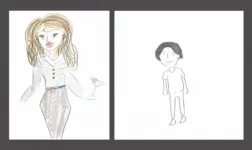
Sexual harassment claims considered more credible if made by 'prototypical' women
Women who are young, "conventionally attractive" and appear and act feminine are more likely to be believed when making accusations of sexual harassment, a new University of Washington-led study finds. That leaves women who don't fit the prototype potentially facing greater hurdles when trying to convince a workplace or court that they have been harassed. The study, involving more than 4,000 participants, reveals perceptions that primarily "prototypical" women are likely to be harassed. The research also showed that women outside of those socially determined norms ...
Read the release