Medicine Technology 🌱 Environment Space Energy Physics Engineering Social Science Earth Science Science
Science 2010-10-15

Push and pull get eyes to work together

Researchers appear to have found a better way to correct sensory eye dominance, a condition in which an imbalance between the eyes compromises fine depth perception. The key is a push-pull training method in which the weak eye is made to work while vision in the strong eye is actively suppressed, according to a report published online on October 14 in Current Biology, a Cell Press publication. "After a 10-day training period, we found our participants' sensory eye dominance is significantly reduced as the two eyes become more balanced," said Teng Leng Ooi of Pennsylvania ...
Read more →
Science 2010-10-15

Of worms and women: Common causes for reproductive decline with age

In worms as in women, fertility declines at a rate that far exceeds the onset of other aging signs. And now a new report in the October 15th issue of Cell, a Cell Press publication, suggests that worms' and humans' biological clocks may wind down over time for similar underlying reasons. "For us, what's most important is that there are so many shared genes involved," said Coleen Murphy of Princeton University. "This isn't just about worms and how they reproduce." That such commonalities would exist wasn't obvious, she adds, given that reproduction in the nematode worm ...
Read more →
Science 2010-10-15

Genetic data related to sodium-regulating hormone may help explain hypertension risk

New research points to the existence of a gene on chromosome 5 that influences how much aldosterone is produced — which may be excessive in African-descended populations. "Aldosterone was very important to their early ancestors living in the arid climate of Africa," said J. Howard Pratt, study co-author. "Dietary intake of sodium in today's world is much higher, and there may not be the need for the amount of aldosterone produced, leading to a level of sodium balance that places individuals at risk for hypertension." Among people of African descent, plasma concentrations ...
Read more →
Science 2010-10-15

Researchers develop method for curbing growth of crystals that form kidney stones

Researchers have developed a method for curbing the growth of crystals that form cystine kidney stones. Their findings, which appear in the latest issue of the journal Science, may offer a pathway to a new method for the prevention of kidney stones. The study was conducted by researchers at New York University's Department of Chemistry and its Molecular Design Institute, NYU School of Medicine, and the Medical College of Wisconsin. Kidney stones comprised of L-cystine affect at least 20,000 individuals in the United States. This number is substantially smaller than ...
Read more →
Medicine 2010-10-15

Flexing their muscles helps kidney disease patients live longer

Kidney disease patients are healthier and live longer if they've beefed up their muscles, according to a study appearing in an upcoming issue of the Clinical Journal of the American Society Nephrology (CJASN). The results suggest that patients may benefit from pumping iron or taking medications to boost their lean body mass. Kidney disease patients who are on dialysis live longer if they have a high body mass index (BMI); however, BMI measurements do not differentiate lean from fat mass. Kamyar Kalantar-Zadeh MD, PhD (Los Angeles Biomedical Research Institute at Harbor-UCLA ...
Read more →
In childhood obesity, gene variants raise risk
Medicine 2010-10-15

In childhood obesity, gene variants raise risk

A new study by pediatric researchers has added to the evidence that genes have a strong influence on childhood obesity. The study team searched across the whole genomes of thousands of obese children for copy number variations (CNVs)--deletions or duplications of DNA sequences. Although the CNVs they found are rare within the population, their data suggest that those individuals harboring such variants are at a very high risk of becoming obese. "Our study is the first large-scale, unbiased genome-wide scan of CNVs in common pediatric obesity," said study leader Struan ...
Read more →
Medicine 2010-10-15

Study uncovers genetic variations linked with common childhood obesity

A new study uncovers multiple genetic variations associated with common childhood obesity. The research, published by Cell Press on October 14th in the American Journal of Human Genetics, is likely to guide future studies aimed at characterizing the affected genes and unraveling the complex biology that underlies childhood obesity. Obesity, which has increased significantly in recent years in Western societies, is a major risk factor for type 2 diabetes and cardiovascular diseases. The majority of obese children become obese adults and adolescent obesity is associated ...
Read more →
Medicine 2010-10-15

UCLA study links immune protein to abnormal brain development

UCLA scientists have discovered that exposing fetal neurons to higher than normal levels of a common immune protein leads to abnormal brain development in mice. Published Oct. 14 in the online Journal of Neuroimmunology, the finding may provide new insights into factors contributing to human neurological disorders like schizophrenia and autism. The researchers studied a protein called major histocompatibility complex, or MHC. The protein plays a dual role in the body: It helps the immune system to identify infected cells, and it enables neurons to make the right ...
Read more →
Science 2010-10-15

Insight gained into age-related hearing loss

Researchers at the University of Minnesota Medical School have gained insight into how different types of age-related hearing loss may occur in humans. The discovery could eventually help physicians develop drugs to combat progressive hearing loss. Their paper is published on October 14 in the open-access journal PLoS Genetics. James Ervasti, Ph.D., and colleague Ben Perrin, Ph.D., studied how two very closely related genes contribute to hearing function in mice. Mutations in the same genes are associated with deafness in humans. The duo discovered two key cellular processes ...
Read more →
Medicine 2010-10-15

Kidney disease patients require individualized care

1. One-Size-Fits-All Blood Pressure Recommendations Won't Suit All Dialysis Patients Age, Race, and Diabetes Status Affect Blood Pressure's Link to Premature Death Previous research indicates that mild to moderate hypertension may not increase dialysis patients' risk of dying prematurely. These findings contrast with those found in the general population and are generalized to diverse groups of patients with kidney disease. To see if age, race, and the presence or absence of diabetes affects the relationship between blood pressure and risk of premature death among dialysis ...
Read more →
Science 2010-10-15

Mysterious pulsar with hidden powers discovered

Dramatic flares and bursts of energy - activity previously thought reserved for only the strongest magnetized pulsars - has been observed emanating from a weakly magnetised, slowly rotating pulsar. The international team of astrophysicists who made the discovery believe that the source of the pulsar's power may be hidden deep within its surface. Pulsars, or neutron stars, are the collapsed remains of massive stars. Although they are on average only about 30km in diameter, they have hugely powerful surface magnetic fields, billions of times that of our Sun. The most ...
Read more →
A river ran through it
Science 2010-10-15

A river ran through it

Rivers and streams supply the lifeblood of ecosystems across the globe, providing water for drinking and irrigation for humans as well as a wide array of life forms in rivers and streams from single-celled organisms all the way up to the fish humans eat. But humans and nature itself are making it tough on rivers to continue in their central role to support fish species, according to new research by a team of scientists including one from Arizona State University. Globally, rivers and streams are being drained due to human use and climate change. These and other human ...
Read more →
Researchers from Kent State University say practice tests improve memory
Social Science 2010-10-15

Researchers from Kent State University say practice tests improve memory

Although most people assume that tests are a way to evaluate learning, a wealth of research has shown that testing can actually improve learning, according to two researchers from Kent State University. Dr. Katherine Rawson, associate professor in Kent State's Department of Psychology, and former Kent State graduate student Mary Pyc publish their research findings in the Oct. 15, 2010, issue of the journal Science. "Taking practice tests – particularly ones that involve attempting to recall something from memory – can drastically increase the likelihood that you'll be ...
Read more →
Science 2010-10-15

Yale scientist helps pinpoint threats to life in world's rivers

The food chain - the number of organisms that feed on each other — in the world's streams and rivers depends more upon the size of the stream and whether the waterways flood or run dry than the amount of available food resources, Yale University and Arizona State University (ASU) researchers report online in the Oct. 14 issue of the journal Science Express. The findings suggest that large predators in river systems will be threatened by increased variability in water flow induced by climate change. The research also helps settle an old debate among ecologists about ...
Read more →
Environment 2010-10-15

Code RED for biodiversity

While not an outright failure, a 2010 goal set by the Convention on Biological Diversity (CBD) for staunching the loss of the world's species fell far short of expectations for "The International Year of Biodiversity." What does this mean for the 20 proposed 2020 goals being considered by the 10th conference of parties at the Convention on Biological Diversity in Nagoya, Japan, on Oct. 18-29, 2010? In the article "Ecosystem Services for 2020," published Oct. 15, 2010 in the journal Science, some of the world's foremost biodiversity experts assembled by the Paris-based ...
Read more →
Medicine 2010-10-15

PiggyBac joins armory in fight against cancer

Researchers have developed a genetic tool in mice to speed the discovery of novel genes involved in cancer. The system – called PiggyBac – has already been used by the team to identify novel candidate cancer-causing genes. This new development of the PiggyBac system makes it a powerful addition to the armoury of genetic methods available to researchers for picking apart the genetic causes of cancer. It will complement advances in genomics and genetics of cancer, by providing biological validation to human mutations identified by cancer genome sequencing. The PiggyBac ...
Read more →
Science 2010-10-15

NYU, Princeton biologists find genetic explanation for evolutionary change: Location

A gene's location on a chromosome plays a significant role in shaping how an organism's traits vary and evolve, according to findings by genome biologists at New York University's Center for Genomic and Systems Biology and Princeton University's Lewis-Sigler Institute for Integrative Genomics. Their research, which appears in the latest issue of the journal Science, suggests that evolution is less a function of what a physical trait is and more a result of where the genes that affect that trait reside in the genome. Physical traits found in nature, such as height or eye ...
Read more →
Science 2010-10-15

Molecular switch controls melanin production, may allow true sunless tanning

Discovery of a molecular switch that turns off the natural process of skin pigmentation may lead to a novel way of protecting the skin – activating the tanning process without exposure to cancer-causing UV radiation. In their report in the journal Genes & Development, researchers from the Massachusetts General Hospital (MGH) Cutaneous Biology Research Center (CBRC) describe how blocking the action of this switch – an enzyme called PDE-4D3 – in the skin of mice led to a significant increase in melanin production. "The primary goal of inducing melanin production in human ...
Read more →
Chest compression-only CPR improves survival in cardiac arrest patients
Medicine 2010-10-15

Chest compression-only CPR improves survival in cardiac arrest patients

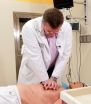
AUDIO: When a person has a heart attack, and the heart stops beating, a new study led by researchers at Washington University School of Medicine in St. Louis suggests that the... Click here for more information. Heart attack patients whose hearts have stopped beating and who receive cardiopulmonary resuscitation (CPR) from bystanders fare better if their resuscitators skip the rescue breaths and do only chest compression, according to a study led by researchers at Washington ...
Read more →
Scientists find signals that make cell nucleus blow up like a balloon
Medicine 2010-10-15

Scientists find signals that make cell nucleus blow up like a balloon

Size matters when it comes to the nucleus of a cell, and now scientists have discovered the signals that control how big the nucleus gets. Nuclear size varies not only among different species, but also in different types of cells in the same species and at different times during development. In addition, cancer cells are known to develop larger nuclei as they become more malignant. Screening for cervical cancer, for example, involves looking for grossly distorted nuclei in cervical cells collected during a Pap smear. "Pathologists look at nuclear size in cancer cells ...
Read more →
Environment 2010-10-15

New research results change the understanding of atmospheric aerosol properties and climate effects

Atmospheric fine particles affect the Earth's radiation balance by interacting with solar radiation and by participating in cloud formation. Biogenic volatile organic compounds are key players in new particle formation processes. Hence, terrestrial vegetation has an important role as the newly formed particles cool our climate. The chemical composition of such secondary organic aerosol (SOA) particles formed from volatile compounds emitted by vegetation is very complicated and only limited information on the phase state of SOA particles has been available. Thus the scientific ...
Read more →
Social Science 2010-10-15

A reinvention of agriculture is needed to meet global challenges

Des Moines, Iowa USA: World renowned scientists speaking at the World Food Prize Borlaug Dialogue have called for a radical transformation in the agriculture sector to cope with climate change, food security and to transition towards sustainability. Dr Dennis Garrity, Director General of the World Agroforestry Centre and Professor MS Swaminathan, 1987 World Food Prize Laureate and founder of the MS Swaminathan Research Foundation, have teamed up to promote what they call a 'fresh out of the box solution' which is already dramatically improving crop yields while storing ...
Read more →
I want to see what you see: Babies treat 'social robots' as sentient beings
Technology 2010-10-15

I want to see what you see: Babies treat 'social robots' as sentient beings

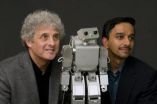
Babies are curious about nearly everything, and they're especially interested in what their adult companions are doing. Touch your tummy, they'll touch their own tummies. Wave your hands in the air, they'll wave their own hands. Turn your head to look at a toy, they'll follow your eyes to see what's so exciting. Curiosity drives their learning. At 18 months old, babies are intensely curious about what makes humans tick. A team of University of Washington researchers is studying how infants tell which entities are "psychological agents" that can think and feel. Research ...
Read more →
Medicine 2010-10-15

Key to blood-brain barrier opens way for treating Alzheimer's and stroke

While the blood-brain barrier (BBB) protects the brain from harmful chemicals occurring naturally in the blood, it also obstructs the transport of drugs to the brain. In an article in Nature scientists at the Swedish medical university Karolinska Institutet now present a potential solution to the problem. The key to the BBB is a cell-type in the blood vessel walls called pericytes, and the researchers hope that their findings will one day contribute to new therapies for diseases like Alzheimer's and stroke. "Our new results show that the blood-brain barrier is regulated ...
Read more →
Science 2010-10-15

Overseas nurses feel their skills are underused and they aren't valued or respected

Many overseas nurses have negative experiences of living and working in the UK, particularly when it comes to feeling personally valued and professionally respected, according to the October issue of the Journal of Clinical Nursing. Researchers from the University of Northampton also found that discrimination and racism still exist in the National Health Service and that the reality of first-world UK nursing is often very different to what overseas nurses expect. Senior lecturer and nurse Julia Nichols and Professor of Neurophysiology Jackie Campbell carried out ...
Read more →