
3 GUIDES · 18 MIN READ
What the comparison counts
Three new studies show how a questionnaire cutoff, survey weights and a method for estimating uncertainty can change the headline.
Explore the collectionConnected articles, arranged around a question. Choose a path and build a clearer understanding one guide at a time.
Three new studies show how a questionnaire cutoff, survey weights and a method for estimating uncertainty can change the headline.
Explore the collection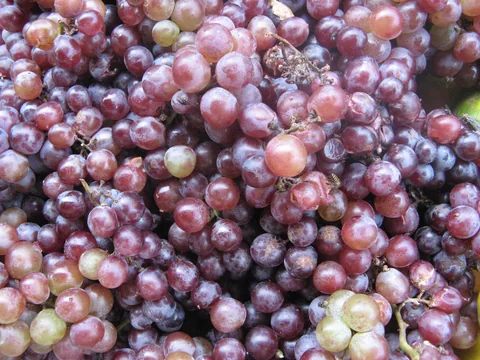
Follow one bunch of grapes through a U.S. exposure study, one delayed visit through a European survey and one drumbeat through an Athens classroom. Each story shows where the observation ends and the inference begins.
Explore the collection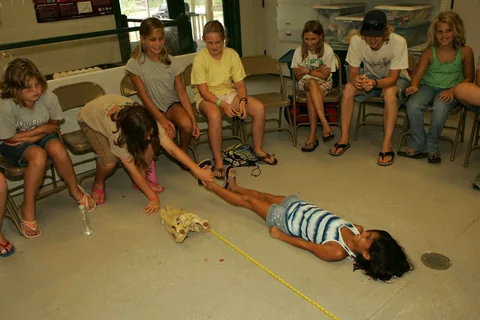
Can a childhood measurement predict adult height? Can a brain map predict behavior? Can a scan anticipate recovery after surgery? Three studies show which comparisons can answer each question.
Explore the collection
A dementia visit in Ecuador, a night of sleep at home and a paper questionnaire in Bulgaria each leave a different kind of record. See how the count shapes the headline.
Explore the collection
Three studies compare model predictions, reported usability and questionnaire associations. Each number has a setting and a scale.
Explore the collection
Riders compared across days, walking programmes compared across groups, and image models compared across test sets.
Explore the collection
A screening budget, a comparison of infant skin samples and a follow-up after illness. Each changes meaning when a different group goes in the denominator.
Explore the collection
Three studies show how a calibration curve, an exercise prediction and a long-running cohort can answer different questions.
Explore the collection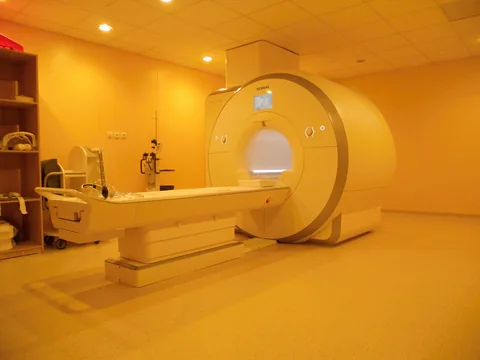
Three studies follow brain growth, questionnaire results in young athletes and the cost of medicines in Medicare plans.
Explore the collection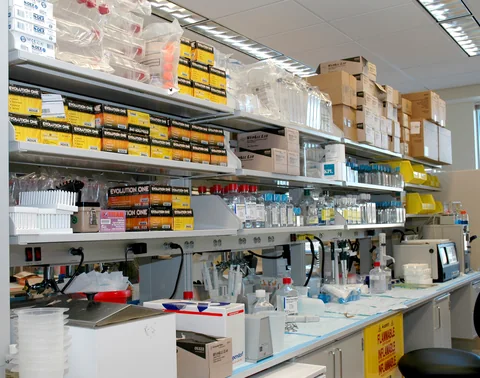
Three studies follow blood pressure readings, cancer diagnoses and a blood marker linked to autopsy findings.
Explore the collection
Three studies examine neighborhood monitoring, hospital staff surveys and dental visits.
Explore the collection
Three studies examine a winter storm, age predicted from medical images and brain immune cells after simulated cosmic radiation.
Explore the collection
Three new studies track mistrust, compare pain surveys after a policy change and link a genetic variant to lean mass.
Explore the collection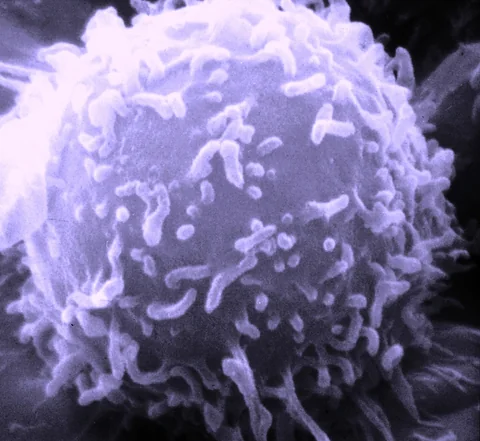
Three studies explore mouse immunity, simulated heart mechanics and cell-state visualizations.
Explore the collection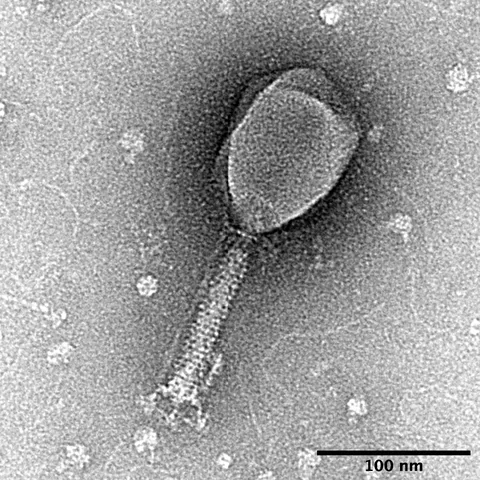
Three studies explore gut viruses, microbial GABA and national immunization data.
Explore the collection
Three new studies examine microglia-like cells, human blood cells in mice and experimental nanoparticle coatings.
Explore the collection
Three studies bring together cell atlases, placental repair mechanisms and protein tracking, with careful attention to what each experiment measures.
Explore the collection
Four studies examine overlapping genetic cohorts, colon repair, mouse brain circuits and mitochondrial signals in cell models.
Explore the collection
Four studies examine organoid imaging, single-cell edits, an animal behaviour screen and liver metabolism.
Explore the collection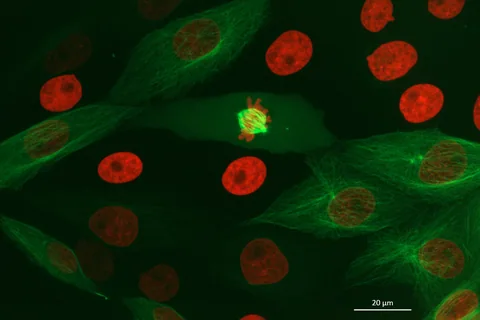
Four recent studies explore tissue imaging, the formation of epithelial layers, an amyloid laboratory screen and bacterial surfaces.
Explore the collection
Four recent studies examine plastic particles in wildlife and lab models, the motion of nuclear-pore proteins, and the problem of counting RNA molecules.
Explore the collection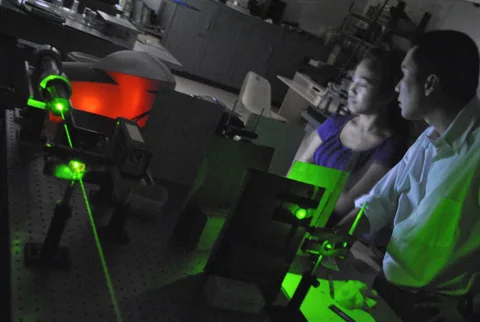
Four recent studies follow optical signals, brain organoids, migrating cells and planetary-dust simulants. See what each model measures and where its evidence stops.
Explore the collection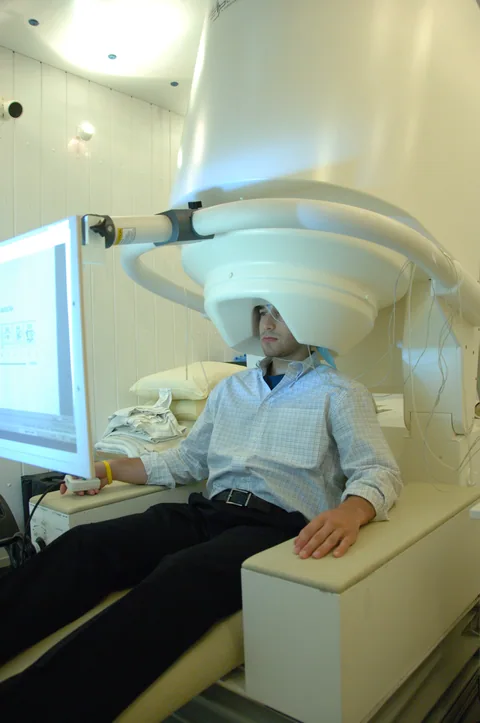
Four recent studies examine brain signals, muscle chemistry, cell-derived vesicles and bacterial genomes. Follow the measurement from the sample to the claim.
Explore the collection
Four recent studies explore cell-image AI, light through an optical fibre, crowded protein droplets and the structure of a dividing cell.
Explore the collection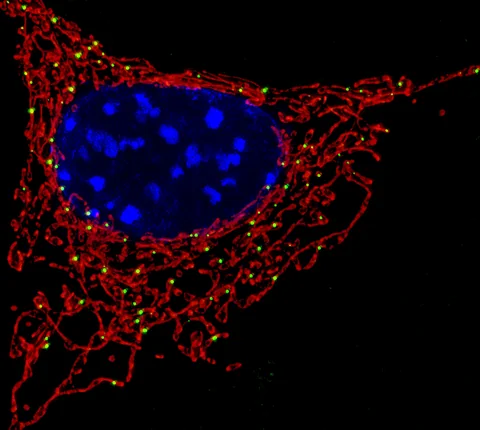
Four recent studies examine live-cell imaging, RNA processing in fat tissue, bacterial ribosomes and single-cell atlas settings. Follow what each method can see and where its conclusions stop.
Explore the collection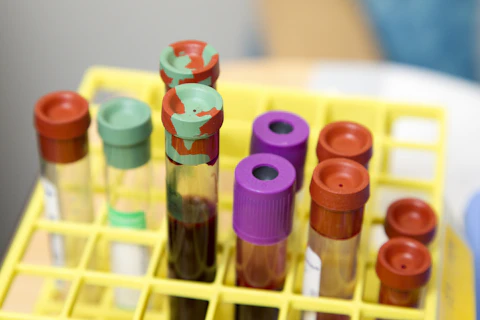
Four studies published on 23 October ask how genetic scores transfer, what viral catalogues count, why epidemic associations change and where cell-entry evidence stops. Follow the denominator and the biological scale.
Explore the collection
Research published on 22 October connects pathogen regulation, compensating mutations, DNA-repair assemblies and nuclear transport. Read the map, the perturbation and the boundary between them.
Explore the collection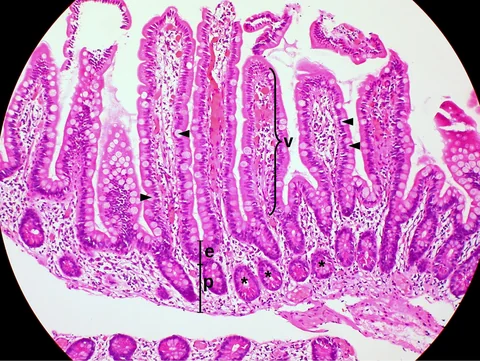
Research published on 21 October connects changing gut communities, histone supply, mitochondrial translation and silk-triggered wound signals. Follow the observation, its denominator and the test that would clarify the explanation.
Explore the collection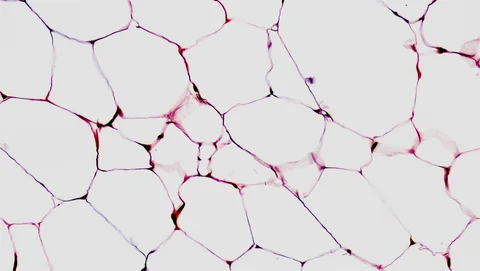
Research from 15–17 October connects T-cell conditioning, brown-fat fuel use, ALS-on-a-chip signalling and yeast confinement. Follow what changes, what remains, and which comparison supports the explanation.
Explore the collection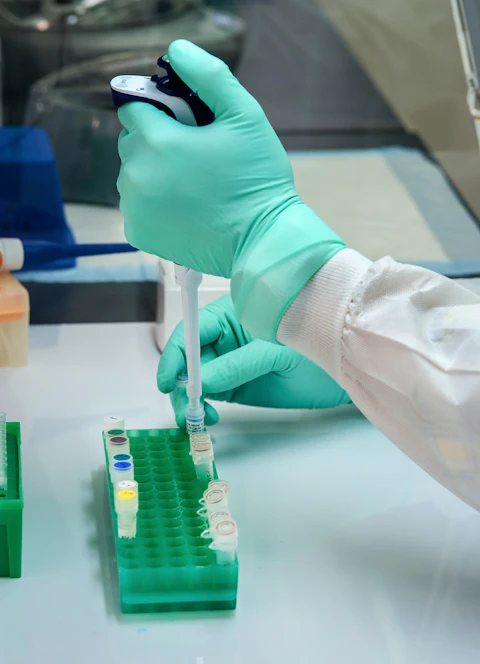
Four papers from 9 October connect variant responses, cross-species chromosomes, Cas9 metal dependence and downstream RNA targets. Read the observation beside its denominator, comparison and next useful test.
Explore the collection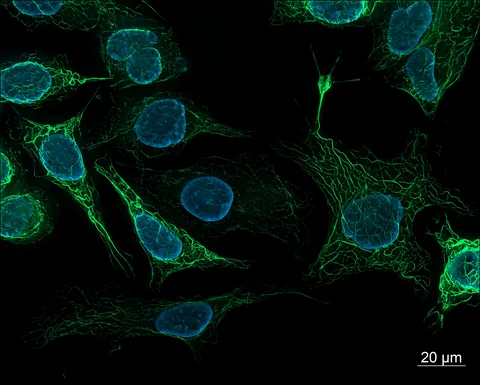
Four papers published on 8–9 October connect cell-atlas completeness, activated egg cells, liver repair and pancreatic protein aggregation. Explore the measurements, controls and next useful experiments.
Explore the collection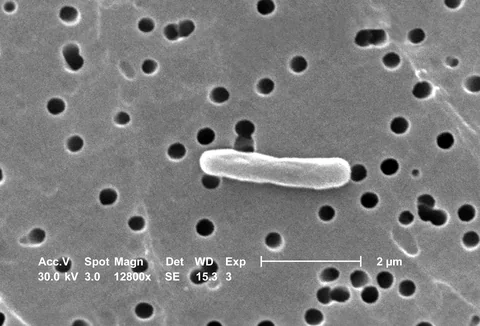
Four papers published on 7 October connect microbial history, bacterial transport, RNA recycling and AI guideline benchmarks. Keep the observation, the model and the next useful test together.
Explore the collectionFour new papers connect AI response ratings, population pain references, a local gene rescue and immune-response trade-offs. Follow the finding, its endpoint and the next useful test.
Explore the collection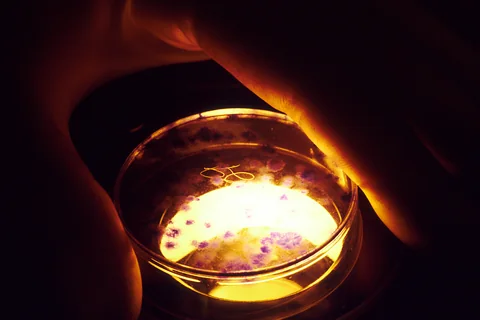
Two neural studies, an organoid and a synthetic compartment: connect what each model preserves with the question it can answer.
Explore the collectionMolecular neighborhoods, bacterial lipids, tissue states and cell polarity. A reading path through identity, location, timing and a testable explanation.
Explore the collection
Three 2026 studies, three different tests: people using chatbots, misleading image context and explanations for students. Read the findings alongside the limits.
Explore the collection
Three real research case studies: missing results, changed outcomes and the journey from paper to health headline. Read the dates, the sources and the limits.
Explore the collection
Four connected guides to assignment, treatment changes, missing outcomes and the document trail behind the final claim.
Explore the collection
Read uncertainty ranges, multiple tests, subgroup claims and hazard ratios through worked examples with visible assumptions.
Explore the collectionConnect diagnostic accuracy, screening, safety and patient experience without treating one kind of result as proof of another.
Explore the collection
A reading path from the first striking number to a clearer view of the evidence. Start with a short guide, then explore the longer explanations.
Explore the collection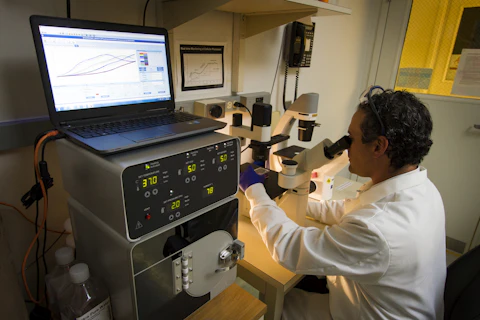
Three worked guides to questions hidden behind a headline: which events changed, what a non-inferiority margin allows, and whether a pooled result deserves confidence.
Explore the collection
Learn how studies answer different questions, which comparisons are meaningful and how to recognise what remains uncertain.
Explore the collection