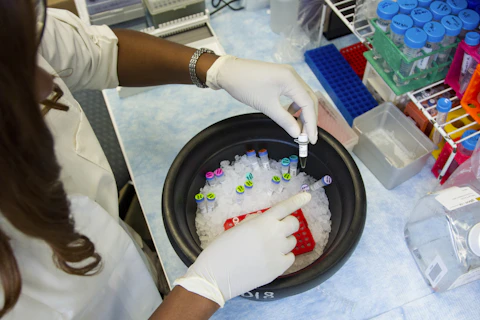
RNA-processing experiments in cultured cells
Downstream RNA can be a target for antisense oligonucleotides. Our guide examines a potential source of unintended effects and the evidence needed to explain a fall in gene output.
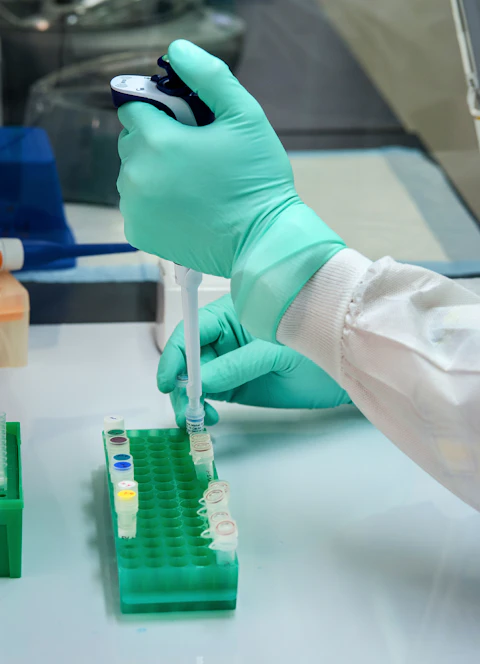
Molecular simulations and biophysical experiments
Simulations, NMR and biochemical experiments probe a transient regulatory pocket. Our guide keeps a predicted movement, an observed structural response and a cleavage measurement separate.
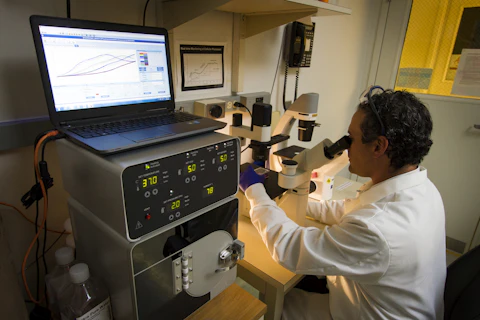
Cross-species chromosome engineering
CROSS replaces the mouse X chromosome with a rat counterpart. The useful lesson is the difference between keeping DNA intact, regulating it correctly and supporting development.
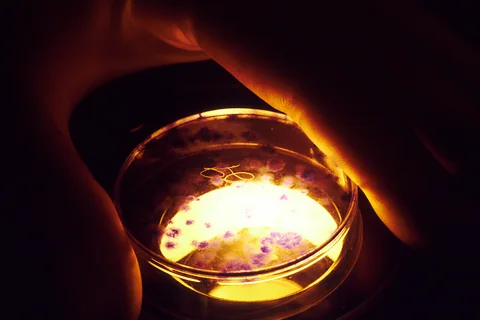
Single-cell genotype–phenotype method
A new single-cell method connects a genetic change with the RNA response around it. Our reading guide examines coverage, comparison labels and the gap between a functional score and a diagnosis.
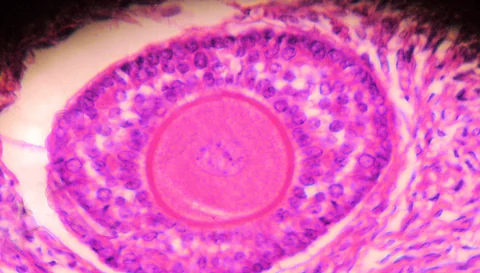
Genetic lineage tracing and follicle perturbations in mice
A genetic label follows an activated oocyte cohort through time. We unpack persistence, developmental competence and the denominator behind a striking ovarian finding.
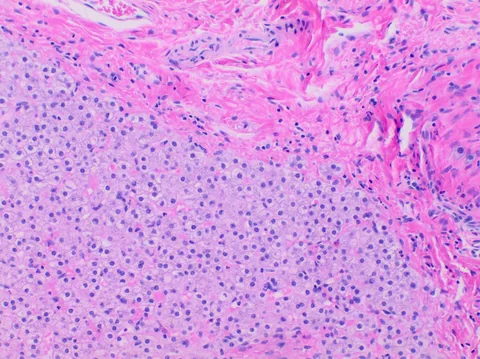
Mouse injury models, molecular perturbations and biopsy associations
A time-course study links PLPP2 with experimental liver repair. We connect animal perturbations with human biopsy observations while keeping their causal roles distinct.
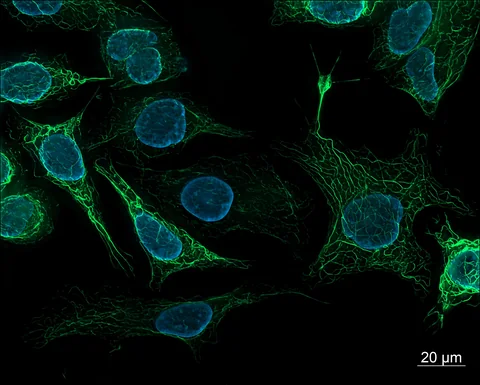
Statistical method for single-cell cluster discovery
An ecological approach estimates whether sequencing will reveal more cellular clusters. Our guide separates a useful stopping rule from a claim that a tissue is fully understood.
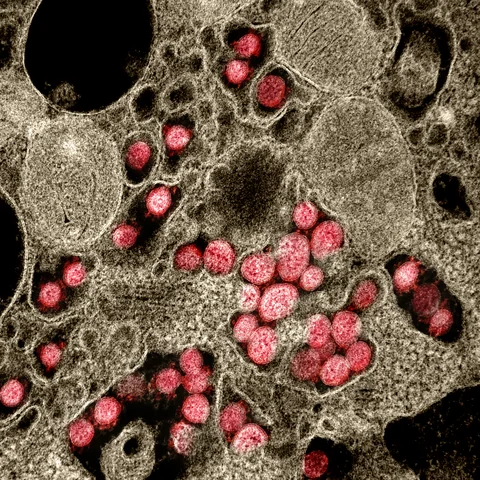
Protein assays, mouse-derived cells and primate tissue observations
A new laboratory study connects viral proteins with IAPP aggregation and insulin-cell readouts. We separate binding, cell metabolism, secretion and human-risk questions.
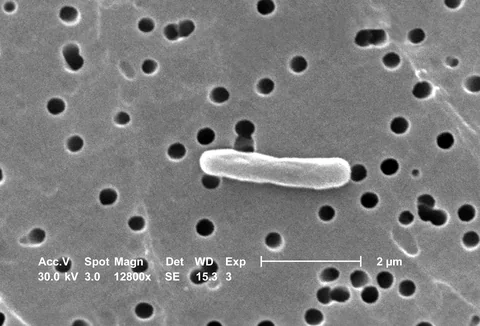
Bacterial structural and biochemical experiments
New structures and functional experiments illuminate LPS transport. We explain what makes a mechanism persuasive and what an antibiotic-development claim would still need.
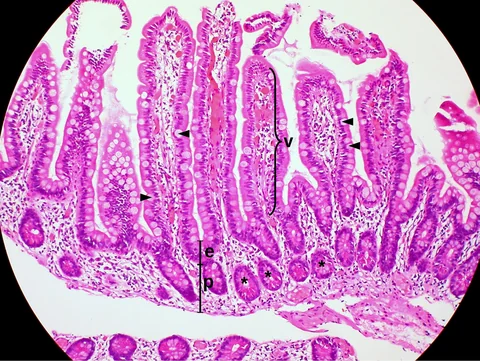
Comparative metagenomics and population-genetic inference
Today’s microbiome study connects shared species with genetic separation. Our guide shows why people, samples, species and inferred history must stay distinct.
AI benchmark and workflow proof of concept
A liver-guideline proof of concept reports concordance across clinical scenarios. Our methods guide separates benchmark agreement, agent consensus and evidence of real-world benefit.
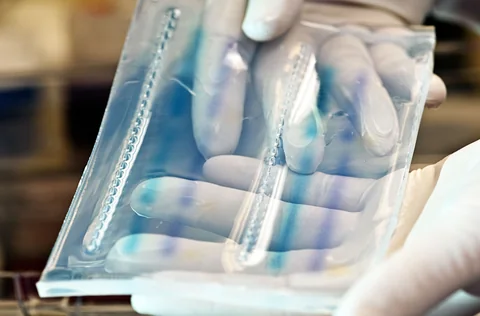
Human-cell structural and RNA experiments
A new study reveals stages of spliceosome termination. Our explainer connects structural snapshots, RNA evidence and the question of how cellular machinery becomes ready for reuse.
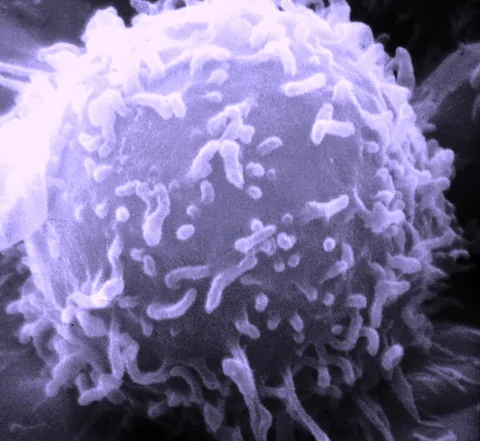
Preclinical mouse immunogenicity experiments
A mouse study changes one immune signal and gets different answers from different endpoints. The important question is what “stronger immunity” would have to mean.
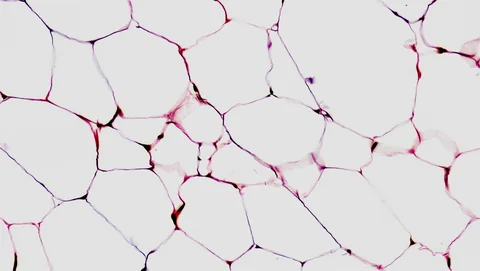
Mouse and cell mechanistic experiments
A new study connects DUSP4 with thermogenic gene activity. We follow the logic from removing a gene to restoring a local response, and ask what each experiment can establish.

Harmonized population surveys and reference modeling
New reference curves bring pain reports into a common framework. We explain how to read the population patterns without turning them into a forecast for one person.
Medical AI model evaluation and adaptation
A new medical AI paper makes the case for specialized, adaptable models. Our reading guide follows one error measure and asks what a useful deployment test would add.
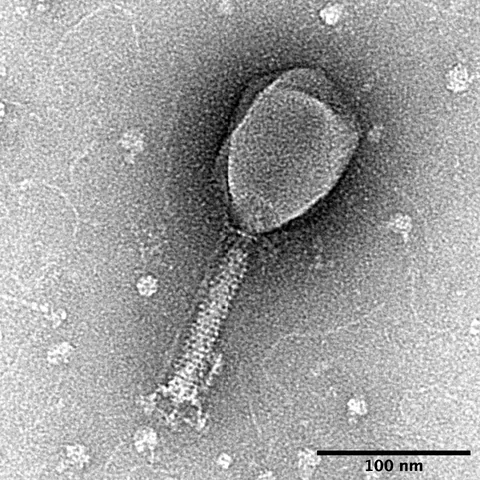
Genomic prediction and laboratory validation
Genome-based prediction offers a way to shortlist bacteriophages for laboratory testing. The crucial distinction is between a useful match and a proven treatment.
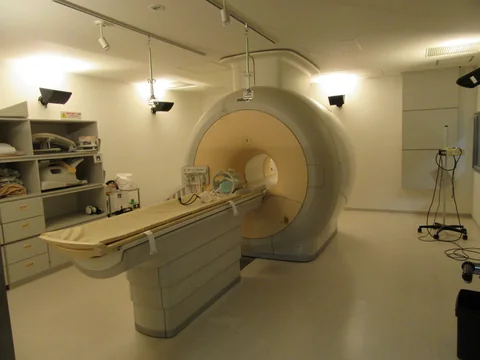
Cross-species neural time-series analysis
A cross-species analysis offers a common description of changing brain dynamics. It also shows why a shared pattern is only one part of a mechanism.
Connected evidence guide
Connect molecular neighborhoods, bacterial imaging, tissue atlases and cell dynamics with a practical method for turning a map into a testable explanation.
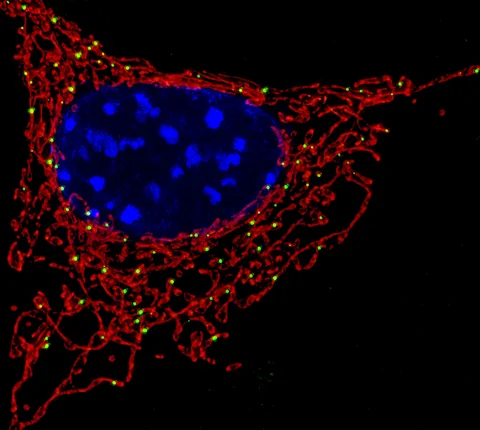
Cell dynamics, perturbation and modeling
A feedback loop links membrane organization to cell polarity. Reading the mechanism means following the perturbations as well as the images.
Bacterial imaging and molecular tracking
Microscopy and chemical tracking connect a lipid with stages of bacterial development. Seeing it there is the beginning of an explanation, not the end.
Human tissue atlas and genetic association · basic research
A new intestinal atlas connects genetic signals to candidate regulatory regions. It helps refine biological questions about Crohn’s disease without turning an association into a treatment promise.
Synthetic-compartment biophysics
DNA-built compartments reveal how environment reshapes protein condensation. The lesson is to test what a simplified experiment leaves out.
Human stem-cell organoid development
A dual neural organoid brings peripheral and central development into the same experimental setting. Its usefulness depends on the question it can faithfully represent.

Spatial tissue profiling and mechanistic experiments
A spatial cell atlas links epithelial states with their microbial and cellular neighbors. The most useful reading follows the map and then tests the proposed connections.
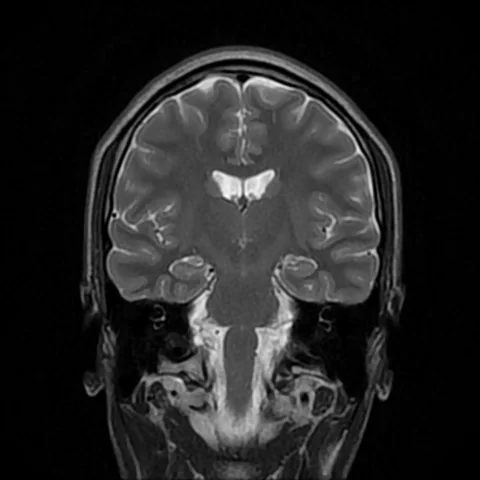
Human postmortem atlas · basic research
A new human brain atlas offers a closer view of ageing. Its real value lies in the questions it makes possible, rather than a personal biological-age score.
Human neural recording and task decoding
New recordings explore silent speech rehearsal. The useful question is how a controlled syllable task might become a reliable communication tool.
Connected methods guide
Connect organoids, synthetic compartments and neural experiments with a practical guide to what a model preserves, leaves out and can predict.
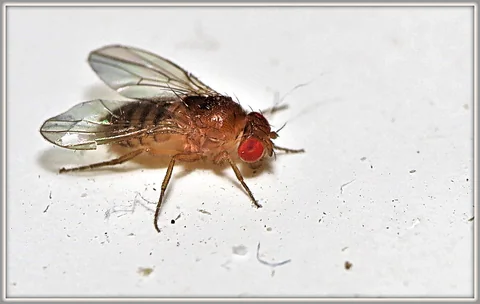
Genetic experiments in fruit flies · basic research
A fruit-fly experiment raises a precise question about ageing: which part of a nutrient response matters? The answer needs to be separated from the much broader promise of living longer.
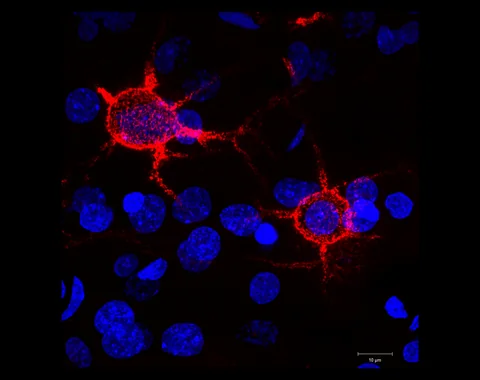
Mouse tissue mapping · basic research
A molecular map asks what familiar anatomical boundaries leave out. Here is how to read its colourful regions without mistaking a new classification for a clinical breakthrough.
Cell reporters and biochemical translation experiments
A new laboratory study examines how a modified RNA base can affect protein translation—and how sequence design can reduce a particular reading error.
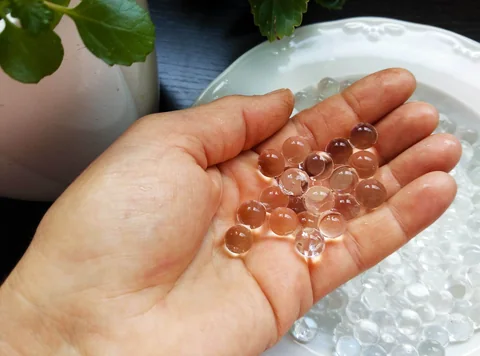
Biomaterial development and bacterial assays
An engineered sugar-bearing gel inhibits bacterial growth and biofilms in laboratory tests. Its promise depends on more than looking or behaving like natural mucus.
Proximity-labeling method development
PRADA tags nearby molecules and adds a way to explore RNA structure. Its value depends on separating proximity, molecular identity and biological function.

Rapid review and observational meta-research
A September review asks who produces the evidence behind digital health tools. For readers, the practical task is to inspect both the result and the route that produced it.
Cross-sectional study of research reuse
A new study follows research published after the original trial report. It raises a useful distinction: more papers, new investigators and new participants are three different things.
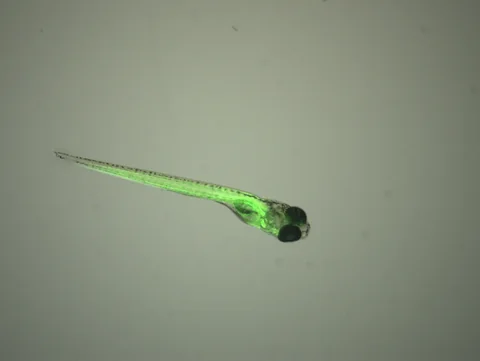
Basic research and live-imaging methods
A new imaging method follows activity across transparent fish. The promise is a richer view of physiology; the challenge is proving which connections cause what.
Randomized educational experiment
An experiment with medical students separates a convincing explanation from evidence that the answer is right.
Randomized study of human–AI interaction
A randomized study tested the missing link between an AI answer and a person’s decision. Strong model scores did not translate into better choices.
Medical AI benchmark and input-perturbation study
A benchmark experiment shows why a picture-plus-text score needs a closer look at the words beside the image.
Research methods
Learn to separate adverse events from adverse reactions, count people rather than episodes and interpret zero events without claiming zero risk.

Research reporting case study
The COMPare project followed trial publications back to their plans. Use its findings to inspect an outcome change without jumping to accusations.
Evidence reading guide
A combined outcome can tell a useful story while leaving its most important chapter unresolved. Work through a first-event example and learn what to look for in the component results.
Research methods
A worked guide to precision, clinical importance and the difference between an uncertain result and evidence of little effect.
Research methods
Use two fictional populations to see how sensitivity, specificity and the frequency of a condition shape what a positive result means.
Research methods
Follow a simple time-to-event model to see why hazard ratios, risks at a fixed time and survival duration answer different questions.
Research methods
A practical guide to intention-to-treat analysis, per-protocol comparisons and the research question hidden behind an estimand.
Practical evidence guide
Work through absolute risk, relative change, time frames and treatment burden using clearly labelled examples you can check yourself.
Research methods
Work through a study where the apparent advantage changes under different assumptions about participants whose outcomes were not observed.
Evidence reading guide
“Not unacceptably worse” is a specific statistical question. Four invented confidence intervals show why it is different from equal, better, or simply not statistically different.
Research methods
See how multiple testing changes a headline, what a p-value does not measure and how a planned analysis differs from an exploratory finding.
Research methods
Understand questionnaire scores, meaningful change and why a group average can hide very different experiences among participants.
Research methods
Follow an invented trial from enrolment to outcome assessment, and learn why a random sequence, concealed allocation and blinding solve different problems.
Research methods
Understand lead-time bias, length bias and overdiagnosis before interpreting a screening headline—and see which outcomes can answer a different question.

Research methods
Learn to separate a real difference in effects from two different significance labels—and to check the scale on which a difference is claimed.
Research methods
Build a simple document trail from registration to publication, and learn how to investigate changed outcomes without assuming every amendment is misconduct.
Research reporting case study
A real research case study on press releases, news coverage and the words that turn an association into a promise.
Research reporting case study
A historical audit of large trials shows why a literature search needs a results registry—and why an absent paper is not the same as an absent result.
Practical evidence guide
A practical method for connecting studies without counting every paper as a separate vote or mistaking a new result for the final answer.
Research literacy
A laboratory result can change before anyone knows whether patients benefit. Learn how to read surrogate endpoints, validation claims and the outcomes still missing.