Researchers develop gel to deliver cancer drugs for solid tumors
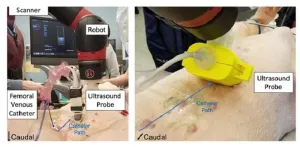
Intratumoral therapy – in which cancer drugs are injected directly into tumors – is a promising treatment option for solid cancers but has shown limited success in clinical trials due to an inability to precisely deliver the drug and because most immunotherapies quickly dissipate from the site of injection. A team of researchers from Mass General Brigham, in collaboration with colleagues at the Koch Institute for Integrative Cancer Research, has developed a gel delivery system that overcomes these challenges. The gel is injectable but solidifies upon delivery; contains an imaging agent for visualization under CT scan; and can hold a high ...
Read the release