Fighting harmful bacteria with nanoparticles
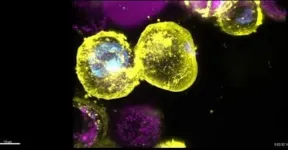
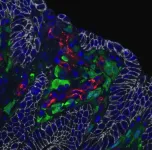
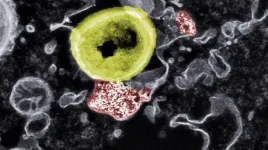
In the arms race "mankind against bacteria", bacteria are currently ahead of us. Our former miracle weapons, antibiotics, are failing more and more frequently when germs use tricky maneuvers to protect themselves from the effects of these drugs. Some species even retreat into the inside of human cells, where they remain "invisible" to the immune system. These particularly dreaded pathogens include multi-resistant staphylococci (MRSA), which can cause life-threatening diseases such as sepsis or pneumonia. In order to track down the germs in their hidouts and eliminate them, a team of researchers from Empa and ETH Zurich is now developing nanoparticles that use a completely different mode ...
Read the release