Queensland GPs face barriers in supporting VAD: QUT study
Voluntary assisted dying laws are in place around the globe, including in Australia, but how are they working for those on the frontline - general practitioners?
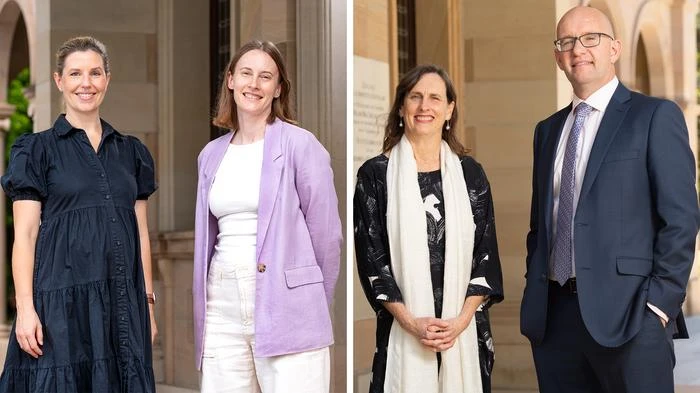
Queensland general practitioners provide compassionate, holistic care to patients seeking voluntary assisted dying (VAD), but many face significant hurdles that limit their capacity to participate, new QUT‑led research has found.
Published in the Australian Journal of General Practice, the study explored the experiences of 12 Queensland GPs during the first year of the state’s VAD legislation. Researchers identified wide variation in GP involvement - from no participation to more than 50 cases - and highlighted the need for improved remuneration, streamlined processes, and broader education to support safe and sustainable practice.
Some found the paperwork complex and time-intensive, and worried about making mistakes, especially if they only handled VAD cases rarely. Others mentioned confusion about who was eligible.
Lead author and QUT PhD researcher Dr Laura Ley Greaves said GPs’ generalist training and long‑term relationships with patients made them well suited to VAD provision, but the system design and administrative demands created barriers.
“GPs are often the first point of contact for patients at the end of life, and their holistic, patient‑centred approach means they are ideally placed to support VAD,” Dr Ley Greaves said.
“However, many GPs told us the application process, training requirements, and lack of clear remuneration made participation difficult, especially for those working outside the public system.”
The experience of GPs, health practitioners, pharmacists, families, carers and others in Australia and globally will be discussed next month at the International Conference on Assisted Dying and Other End of Life Care being hosted by QUT’s Australian Centre for Health Law Research.
Dr Ley Greaves said Queensland’s VAD model was distinct from other states, with around 90 per cent of cases delivered through the public health system. She said while this centralised approach ensured statewide access, it also limited opportunities for community‑based GPs to participate.
Co‑author Dr Rachel Feeney, a QUT researcher in the field of VAD, said the study revealed an urgent need for consistent training and support across the GP workforce.
“GPs reported ongoing confusion about what VAD involves, who is eligible, and how to discuss it appropriately with patients,” Dr Feeney said.
“Even doctors who don’t intend to become authorised VAD practitioners still need the knowledge to guide patients sensitively and lawfully. Education is essential to ensure patients receive accurate information and compassionate care.”
The study also found a lack of a dedicated Medicare rebate created financial disincentives for community GPs, while rural and regional GPs reported disparities in access to training and funding support.
Dr Ley Greaves said expanding GP participation was crucial to the long‑term sustainability of VAD services in Queensland.
“A broader GP workforce could help ease pressure on the public system and improve continuity of care for patients,” she said.
“But that will only be possible if structural and financial barriers are addressed.”
The research forms part of a larger longitudinal study examining the implementation of VAD in Queensland and is supported by the Australian Government Research Training Program. The other QUT researchers who co-authored the paper are Emeritus Professor Lindy Willmott and Professor Ben White, both of whom are recognised as international experts in end-of-life law, with particular expertise in VAD.
Read the full paper online: RACGP - AJGP (Australian Journal of General Practice)
Registration to attend the International Conference on Assisted Dying and Other End of Life Care (April 8-11 at the QUT Gardens Point Campus) closes on Monday March 23.
END
Published in the Australian Journal of General Practice, the study explored the experiences of 12 Queensland GPs during the first year of the state’s VAD legislation. Researchers identified wide variation in GP involvement - from no participation to more than 50 cases - and highlighted the need for improved remuneration, streamlined processes, and broader education to support safe and sustainable practice.
Some found the paperwork complex and time-intensive, and worried about making mistakes, especially if they only handled VAD cases rarely. Others mentioned confusion about who was eligible.
Lead author and QUT PhD researcher Dr Laura Ley Greaves said GPs’ generalist training and long‑term relationships with patients made them well suited to VAD provision, but the system design and administrative demands created barriers.
“GPs are often the first point of contact for patients at the end of life, and their holistic, patient‑centred approach means they are ideally placed to support VAD,” Dr Ley Greaves said.
“However, many GPs told us the application process, training requirements, and lack of clear remuneration made participation difficult, especially for those working outside the public system.”
The experience of GPs, health practitioners, pharmacists, families, carers and others in Australia and globally will be discussed next month at the International Conference on Assisted Dying and Other End of Life Care being hosted by QUT’s Australian Centre for Health Law Research.
Dr Ley Greaves said Queensland’s VAD model was distinct from other states, with around 90 per cent of cases delivered through the public health system. She said while this centralised approach ensured statewide access, it also limited opportunities for community‑based GPs to participate.
Co‑author Dr Rachel Feeney, a QUT researcher in the field of VAD, said the study revealed an urgent need for consistent training and support across the GP workforce.
“GPs reported ongoing confusion about what VAD involves, who is eligible, and how to discuss it appropriately with patients,” Dr Feeney said.
“Even doctors who don’t intend to become authorised VAD practitioners still need the knowledge to guide patients sensitively and lawfully. Education is essential to ensure patients receive accurate information and compassionate care.”
The study also found a lack of a dedicated Medicare rebate created financial disincentives for community GPs, while rural and regional GPs reported disparities in access to training and funding support.
Dr Ley Greaves said expanding GP participation was crucial to the long‑term sustainability of VAD services in Queensland.
“A broader GP workforce could help ease pressure on the public system and improve continuity of care for patients,” she said.
“But that will only be possible if structural and financial barriers are addressed.”
The research forms part of a larger longitudinal study examining the implementation of VAD in Queensland and is supported by the Australian Government Research Training Program. The other QUT researchers who co-authored the paper are Emeritus Professor Lindy Willmott and Professor Ben White, both of whom are recognised as international experts in end-of-life law, with particular expertise in VAD.
Read the full paper online: RACGP - AJGP (Australian Journal of General Practice)
Registration to attend the International Conference on Assisted Dying and Other End of Life Care (April 8-11 at the QUT Gardens Point Campus) closes on Monday March 23.
END