Pennington Biomedical’s Dr. Leanne Redman selected for top honor by The Obesity Society
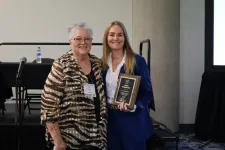
BATON ROUGE – The Obesity Society – the leading professional society focused on obesity science, treatment and prevention – has named Pennington Biomedical’s Dr. Leanne Redman as the recipient of the 2023 TOPS Research Achievement Award. The award, which is funded by the Take Off Pounds Sensibly, or TOPS, Foundation, was presented to Dr. Redman on Monday, Oct. 16, in recognition of her contributions to research in the field of obesity. Considered by many to be the top award for obesity research, Dr. ...
Read the release