Narconon Drug Prevention Specialist Points Out That Many Parents May Omit Prescription Drugs When Warning Their Children About Drug Abuse
Bobby Wiggins, Narconon drug education director, says prescription drug abuse should be included when talking to kids about drugs.
Published 2010-11-07 · Original archive entry · Explore research explainers
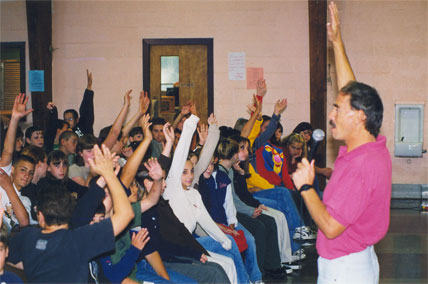
LOS ANGELES, CA, November 07, 2010
When the current generation of parents was growing up, the biggest drug problems were marijuana, alcohol, amphetamines, heroin and sedatives. So when today's parents of teenagers talk to their kids about drugs, they may overlook the fact that prescription drug abuse is the fastest growing substance abuse problem out there.They probably don't know about the numbers.
In 2002, there were nearly 4.4 million people abusing prescription pain relievers, the number one class of prescription drug abused. By 2009, nearly a million people had been added to this list. In that same time span, the number of people being treated for pain reliever addiction more than doubled, climbing nearly to three-quarters of a million. Nearly twice that needed treatment for their addictions to oxycodone, hydrocodone, fentanyl, codeine, Ritalin, benzodiazapines, Soma or a long list of other prescription drugs.
"Plenty of kids hear about the dangers of smoking marijuana or using cocaine, but parents may think that prescription drugs are safely locked up," explained Bobby Wiggins, Narconon Drug Prevention Specialist. Narconon is an international organization dedicated to helping overcome addiction and to educating young people on the dangers of drugs and addiction.
"Many young people start abusing drugs by getting them from someone they know," said Wiggins. "Maybe it starts with a friend, a relative who gives them some or sells them, or the young person may just steal a few if they think they can get away with it. In short, it's not that hard if a person really wants it. But it can be plenty hard to quit if the person decides they've had enough."
Parents may overlook explaining to their children that a drug like OxyContin can be very quickly addictive and for some, can be harder to withdraw from than heroin. And because children probably know adults who take prescription drugs such as Xanax and Prozac, it may not seem dangerous for them to take these drugs out for a test drive.
By 2010, prescription drug abuse had pervaded America. The University of Michigan reported that 10 percent of high school seniors were abusing painkillers. In New Hampshire, deaths from overdoses quadrupled between 1999 and 2007. In a small county in Central Florida, accidental overdoses of prescription drugs doubled in one year, going from 21 to 42.
"Parents should make time to explain that prescription drug use is only safe when it's done under the supervision of a doctor and then only as prescribed," added Wiggins. "A parent could research the effects of these drugs with their children. When a child learns that OxyContin withdrawals are described as 'the worst flu you ever had with vomiting and diarrhea that goes on for 10 to 14 days,' they might think twice about using the drug recreationally. A little communication can go a long way with a child who would otherwise only hear that someone they knew was having fun using these drugs."
At Narconon centers in forty countries around the world, people are learning to leave addiction behind as they build a new productive life to replace the one that was destroyed by addiction. Every year, Narconon volunteers educate tens of thousands of children why they should choose a drug-free life for themselves. For more information, visit www.narconon-news.org.
You can also visit one of our Narconon drug rehab center's website at www.drugsno.com.