Immune cells speak the language of nerves: HKU team reviews emerging roles of neurotransmitters in immunity
Immune cells can produce classic neurotransmitters to regulate inflammation, autoimmunity, and cancer, opening new avenues for therapeutic intervention
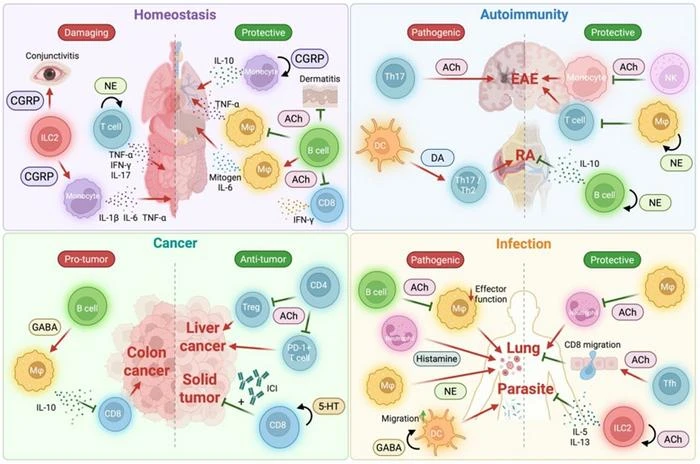
The article, titled "Emerging roles of immune cell-derived neurotransmitters in immunity and disease," published on March 17, 2026, in Immunity & Inflammation, provides a timely and authoritative review of how innate and adaptive immune cells—including macrophages, dendritic cells, natural killer cells, T cells, and B cells—produce and respond to classic neurotransmitters. This previously underappreciated facet of immunology is now recognized as a critical bridge connecting the nervous and immune systems, with profound implications for understanding health and disease.
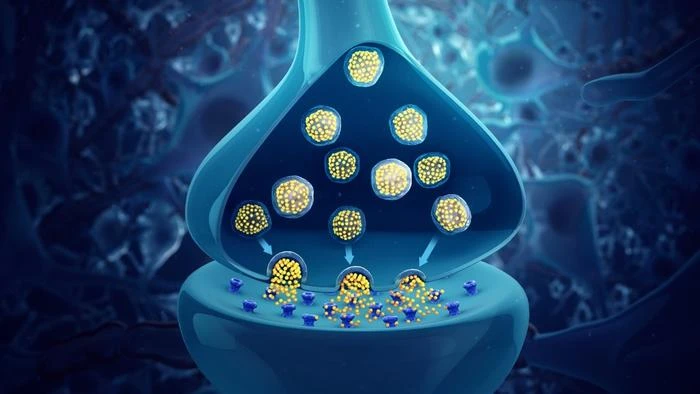
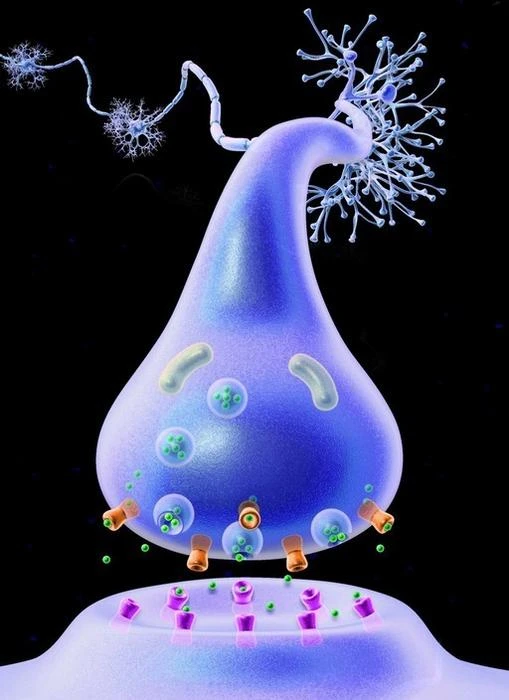
The review begins by establishing that neurotransmitter production is not the exclusive domain of neurons. Under both steady-state and pathological conditions, diverse immune cell subsets synthesize and release neurotransmitters, which then act in autocrine and paracrine manners to modulate immune responses. These immune-derived signaling molecules engage canonical intracellular pathways—including cAMP–PKA, MAPK, JAK–STAT, and PI3K–AKT—to influence cytokine production, cell migration, differentiation, and effector function. This forms a relatively autonomous yet tightly integrated neuroimmune regulatory network that operates alongside classical neural inputs.
The authors systematically catalog the major neurotransmitter classes produced by immune cells, including acetylcholine, noradrenaline, dopamine, γ-aminobutyric acid (GABA), serotonin, and histamine. A key insight is that “the same neurotransmitter can exert opposing effects depending on cellular source and tissue context,” the authors point out. For example, acetylcholine produced by T cells, B cells, NK cells, and myeloid cells participates in diverse processes ranging from inflammation control to the maintenance of tissue homeostasis. The review highlights how some neurotransmitters confer protection in certain disease settings while promoting immune dysregulation and pathology in others, underscoring the complexity of this signaling network.
The analysis extends to the distinct roles that these molecules play across different immune compartments and disease states. The authors present a nuanced picture in which neurotransmitter-mediated immune regulation is highly context-dependent, shaped by the specific cellular source, the local microenvironment, and the nature of the pathological stimulus.
In the disease-focused section, the review examines the involvement of immune cell-derived neurotransmitters in autoimmunity, cancer, infection, and chronic inflammation. The emerging evidence suggests that these endogenous neuroimmune pathways not only participate in disease pathogenesis but may also serve as entry points for disease stratification and targeted intervention. The authors discuss how targeting these pathways could complement existing immunotherapeutic strategies, particularly in conditions where neuroimmune crosstalk is dysregulated.
Despite rapid progress in the field, the authors acknowledge that many fundamental questions remain unanswered. These include the precise regulatory mechanisms governing neurotransmitter synthesis in different immune cell subsets, the functional specificity of these molecules across diverse disease microenvironments, and the translational challenge of converting basic discoveries into clinically viable therapeutic strategies.
By synthesizing a rapidly expanding literature, this review offers a novel conceptual framework for understanding the relationship between the nervous and immune systems. It posits that the immune system has evolved to produce and utilize neural messengers as a means of intercellular communication, blurring the traditional boundaries between these two major physiological systems.
As research in this area continues to accelerate, immune cell-derived neurotransmitters are poised to become important targets for therapeutic innovation. The review provides a roadmap for future investigations, highlighting key gaps in knowledge and identifying promising directions for translational research. For disorders ranging from autoimmune diseases to cancer and chronic inflammation, “harnessing the immune system's intrinsic ‘neural language’ may offer new strategies for restoring homeostasis and achieving durable therapeutic benefit,” the authors conclude.
***
Reference
DOI: 10.1007/s44466-026-00028-2
About Immunity & Inflammation
Immunity & Inflammation is a newly launched open-access journal co-published by the Chinese Society for Immunology and Springer Nature under the leadership of Editors-in-Chief Prof. Xuetao Cao and Prof. Jules A. Hoffmann. Immunity & Inflammation aims to publish major scientific questions and cutting-edge advances that explore groundbreaking discoveries and insights across the spectrum of immunity and inflammation, from basic science to translational and clinical research.
Website: https://link.springer.com/journal/44466
About Professor Liwei Lu from the University of Hong Kong
Prof. Liwei Lu is a Professor in the Department of Pathology and Director of the Immunology Laboratory at the University of Hong Kong. He serves as Secretary-General of the Hong Kong Society for Immunology and Executive Committee Member of the Federation of Immunological Societies of Asia-Oceania (FIMSA). Recognized as a top 1% scientist by Clarivate ESI, he has received awards, the David Rae Award from the Leukemia Society of Canada, the Croucher Senior Research Fellowship, the Outstanding Research Award and Outstanding Teaching Award from HKU, and the Beijing Science and Technology Award. His research focuses on immunology and autoimmune diseases.
About Dr. Fan Xiao from the University of Hong Kong
Dr. Fan Xiao is an Assistant Research Fellow in the Department of Pathology at the University of Hong Kong. He has received the Young Investigator Award from the Hong Kong Society for Immunology, the Virtual Travel Award from the Korean Association of Immunologists, the Outstanding Research Award from HKU, and the Second Prize of the Jiangsu Science and Technology Award. His research focuses on the pathological mechanisms and targeted therapy of autoimmune diseases.
Funding information
This work was supported by National Natural Science Foundation of China (U25A6004, 82471821), Hong Kong Research Grants Council (17116424, 17111222, 17103821), and the Centre for Oncology and Immunology under the Health@InnoHK Initiative funded by the Innovation and Technology Commission, Hong Kong, China.
END
The review begins by establishing that neurotransmitter production is not the exclusive domain of neurons. Under both steady-state and pathological conditions, diverse immune cell subsets synthesize and release neurotransmitters, which then act in autocrine and paracrine manners to modulate immune responses. These immune-derived signaling molecules engage canonical intracellular pathways—including cAMP–PKA, MAPK, JAK–STAT, and PI3K–AKT—to influence cytokine production, cell migration, differentiation, and effector function. This forms a relatively autonomous yet tightly integrated neuroimmune regulatory network that operates alongside classical neural inputs.
The authors systematically catalog the major neurotransmitter classes produced by immune cells, including acetylcholine, noradrenaline, dopamine, γ-aminobutyric acid (GABA), serotonin, and histamine. A key insight is that “the same neurotransmitter can exert opposing effects depending on cellular source and tissue context,” the authors point out. For example, acetylcholine produced by T cells, B cells, NK cells, and myeloid cells participates in diverse processes ranging from inflammation control to the maintenance of tissue homeostasis. The review highlights how some neurotransmitters confer protection in certain disease settings while promoting immune dysregulation and pathology in others, underscoring the complexity of this signaling network.
The analysis extends to the distinct roles that these molecules play across different immune compartments and disease states. The authors present a nuanced picture in which neurotransmitter-mediated immune regulation is highly context-dependent, shaped by the specific cellular source, the local microenvironment, and the nature of the pathological stimulus.
In the disease-focused section, the review examines the involvement of immune cell-derived neurotransmitters in autoimmunity, cancer, infection, and chronic inflammation. The emerging evidence suggests that these endogenous neuroimmune pathways not only participate in disease pathogenesis but may also serve as entry points for disease stratification and targeted intervention. The authors discuss how targeting these pathways could complement existing immunotherapeutic strategies, particularly in conditions where neuroimmune crosstalk is dysregulated.
Despite rapid progress in the field, the authors acknowledge that many fundamental questions remain unanswered. These include the precise regulatory mechanisms governing neurotransmitter synthesis in different immune cell subsets, the functional specificity of these molecules across diverse disease microenvironments, and the translational challenge of converting basic discoveries into clinically viable therapeutic strategies.
By synthesizing a rapidly expanding literature, this review offers a novel conceptual framework for understanding the relationship between the nervous and immune systems. It posits that the immune system has evolved to produce and utilize neural messengers as a means of intercellular communication, blurring the traditional boundaries between these two major physiological systems.
As research in this area continues to accelerate, immune cell-derived neurotransmitters are poised to become important targets for therapeutic innovation. The review provides a roadmap for future investigations, highlighting key gaps in knowledge and identifying promising directions for translational research. For disorders ranging from autoimmune diseases to cancer and chronic inflammation, “harnessing the immune system's intrinsic ‘neural language’ may offer new strategies for restoring homeostasis and achieving durable therapeutic benefit,” the authors conclude.
***
Reference
DOI: 10.1007/s44466-026-00028-2
About Immunity & Inflammation
Immunity & Inflammation is a newly launched open-access journal co-published by the Chinese Society for Immunology and Springer Nature under the leadership of Editors-in-Chief Prof. Xuetao Cao and Prof. Jules A. Hoffmann. Immunity & Inflammation aims to publish major scientific questions and cutting-edge advances that explore groundbreaking discoveries and insights across the spectrum of immunity and inflammation, from basic science to translational and clinical research.
Website: https://link.springer.com/journal/44466
About Professor Liwei Lu from the University of Hong Kong
Prof. Liwei Lu is a Professor in the Department of Pathology and Director of the Immunology Laboratory at the University of Hong Kong. He serves as Secretary-General of the Hong Kong Society for Immunology and Executive Committee Member of the Federation of Immunological Societies of Asia-Oceania (FIMSA). Recognized as a top 1% scientist by Clarivate ESI, he has received awards, the David Rae Award from the Leukemia Society of Canada, the Croucher Senior Research Fellowship, the Outstanding Research Award and Outstanding Teaching Award from HKU, and the Beijing Science and Technology Award. His research focuses on immunology and autoimmune diseases.
About Dr. Fan Xiao from the University of Hong Kong
Dr. Fan Xiao is an Assistant Research Fellow in the Department of Pathology at the University of Hong Kong. He has received the Young Investigator Award from the Hong Kong Society for Immunology, the Virtual Travel Award from the Korean Association of Immunologists, the Outstanding Research Award from HKU, and the Second Prize of the Jiangsu Science and Technology Award. His research focuses on the pathological mechanisms and targeted therapy of autoimmune diseases.
Funding information
This work was supported by National Natural Science Foundation of China (U25A6004, 82471821), Hong Kong Research Grants Council (17116424, 17111222, 17103821), and the Centre for Oncology and Immunology under the Health@InnoHK Initiative funded by the Innovation and Technology Commission, Hong Kong, China.
END
Attachments