Computer model fosters potential improvements to 'bionic eye' technology
Researchers at Keck School of Medicine of USC develop signals that could bring color vision and improved clarity to prosthesis for the blind
Published 2021-04-09 · Original archive entry · Explore research explainers
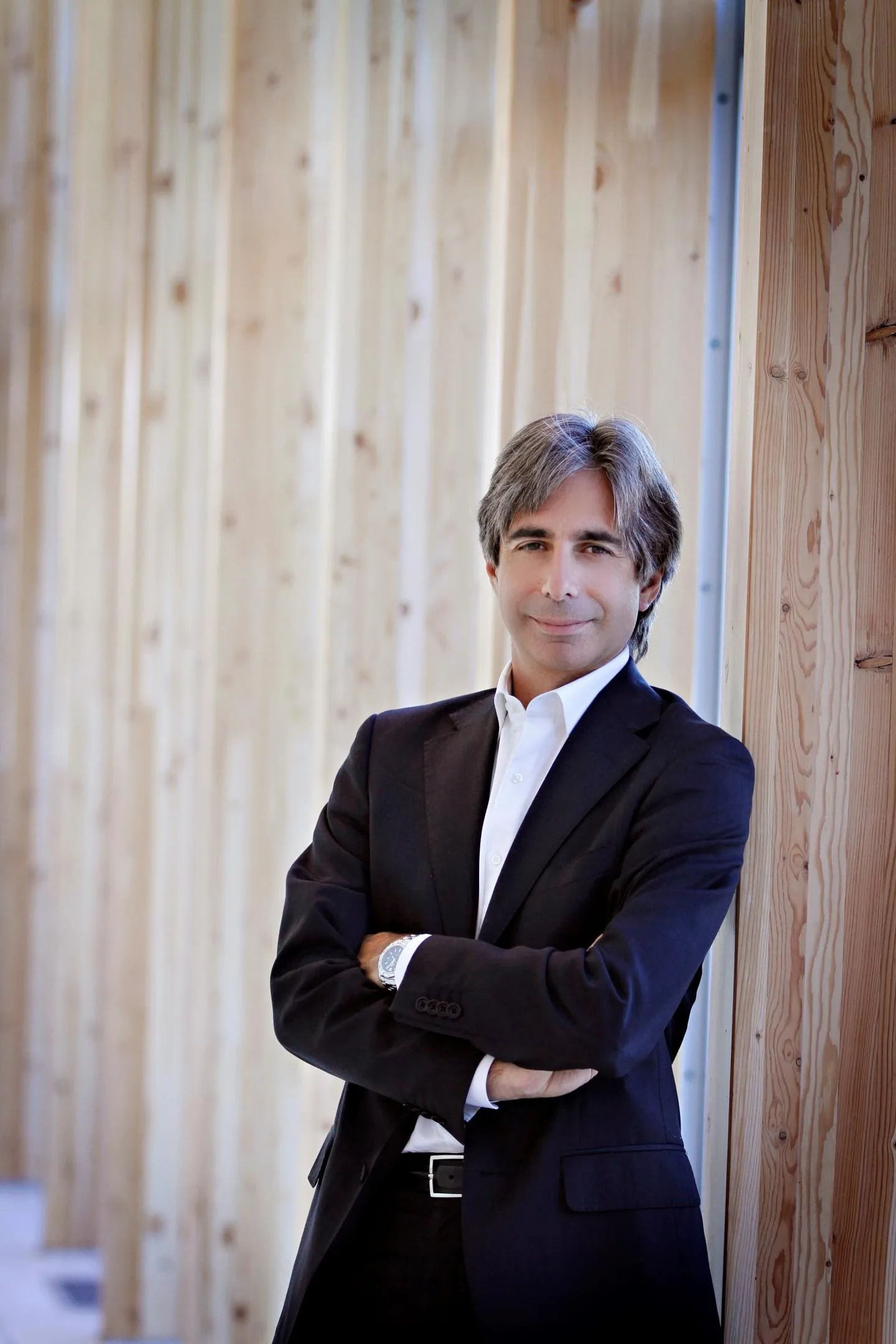
There are millions of people who face the loss of their eyesight from degenerative eye diseases. The genetic disorder retinitis pigmentosa alone affects 1 in 4,000 people worldwide.
Today, there is technology available to offer partial eyesight to people with that syndrome. The Argus II, the world's first retinal prosthesis, reproduces some functions of a part of the eye essential to vision, to allow users to perceive movement and shapes.
While the field of retinal prostheses is still in its infancy, for hundreds of users around the globe, the "bionic eye" enriches the way they interact with the world on a daily basis. For instance, seeing outlines of objects enables them to move around unfamiliar environments with increased safety.
That is just the start. Researchers are seeking future improvements upon the technology, with an ambitious objective in mind.
"Our goal now is to develop systems that truly mimic the complexity of the retina," said Gianluca Lazzi, a Provost Professor of Ophthalmology and Electrical Engineering at the END
Today, there is technology available to offer partial eyesight to people with that syndrome. The Argus II, the world's first retinal prosthesis, reproduces some functions of a part of the eye essential to vision, to allow users to perceive movement and shapes.
While the field of retinal prostheses is still in its infancy, for hundreds of users around the globe, the "bionic eye" enriches the way they interact with the world on a daily basis. For instance, seeing outlines of objects enables them to move around unfamiliar environments with increased safety.
That is just the start. Researchers are seeking future improvements upon the technology, with an ambitious objective in mind.
"Our goal now is to develop systems that truly mimic the complexity of the retina," said Gianluca Lazzi, a Provost Professor of Ophthalmology and Electrical Engineering at the END