THE ORIGINAL COLLECTION · SINCE 2010

Science
press releases.

Research announcements from universities, hospitals and scientific institutions. Explore the stories, people and discoveries behind the headlines.

Original publication datesPage 413
FIND A STORY

Find a past release.

Dates and source material belong to the original release.

Read our research explainers

Browse the collection · original publication order

Hodgkin’s lymphoma: Small change, big effect
Science

Hodgkin’s lymphoma: Small change, big effect

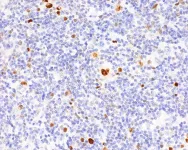
Hodgkin’s lymphoma is one of the most common types of lymphoma in young adults. It is characterized by the presence of enlarged B lymphocytes, which are unusual in that they bear on their surface the identifying markers of many other immune cells – such as those found on phagocytes, dendritic cells, or T cells. Now, a team led by Stephan Mathas from the Experimental and Clinical Research Center (ECRC) has explained how these changes take place in the cells and what impact they have. The ECRC is a joint institution of the Max Delbrück Center and Charité – Universitätsmedizin Berlin. “Many different ...

Read the release

How animals get their stripes and spots
Science

How animals get their stripes and spots

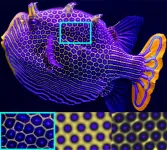
Nature has no shortage of patterns, from spots on leopards to stripes on zebras and hexagons on boxfish. But a full explanation for how these patterns form has remained elusive. Now engineers at the University of Colorado Boulder have shown that the same physical process that helps remove dirt from laundry could play a role in how tropical fish get their colorful stripes and spots. Their findings were published Nov. 8 in the journal Science Advances. “Many biological questions are fundamentally ...

Read the release
Science

How mice choose to eat or to drink

Making decisions is hard. Even when we know what we want, our choice often leaves something else on the table. For a hungry mouse, every morsel counts. But what if the decision is more consequential than choosing between crumbs and cheese? Stanford researchers investigated how mice resolve conflicts between basic needs in a study published in Nature on Nov. 8. They presented mice that were both hungry and thirsty with equal access to food and water and watched to see what happened next. The behavior of the mice surprised the scientists. Some gravitated first ...

Read the release
Science

Scientists take major step towards completing the world’s first synthetic yeast.

A UK-based team of Scientists, led by experts from the University of Nottingham and Imperial College London, have completed construction of a synthetic chromosome as part of a major international project to build the world’s first synthetic yeast genome. The work, which is published in Cell Genomics, represents completion of one of the 16 chromosomes of the yeast genome by the UK team, which is part of the biggest project ever in synthetic biology; the international synthetic yeast genome collaboration. The collaboration, known as 'Sc2.0' has been a 15-year project involving teams from around the world (UK, US, China, Singapore, UK, France and Australia), working together ...

Read the release
$200M gift propels scientific research in the search for life beyond earth
Science

$200M gift propels scientific research in the search for life beyond earth

$200m Gift Propels Scientific Research in the Search for Life Beyond Earth Legacy of Franklin Antonio represents quantum leap for The SETI Institute November 8, 2023, Mountain View, CA – The SETI Institute, a non-profit scientific research organization, announced today a philanthropic gift of $200m from the estate of Franklin Antonio, a visionary supporter and catalyst of the work of the SETI Institute for more than 12 years. Co-founder of communications chip company, Qualcomm, Antonio passed away on May 13, 2022, leaving behind an extraordinary ...

Read the release
Device 'smells' seawater to discover, detect novel molecules
Science

Device 'smells' seawater to discover, detect novel molecules

Under the ocean’s surface, marine organisms are constantly releasing invisible molecules. Some of the chemical clues reveal which creatures are nearby, while others could be used someday as medications. Now, researchers in ACS Central Science report a proof-of-concept device that “sniffs” seawater, trapping dissolved compounds for analyses. The team showed that the system could easily concentrate molecules that are present in underwater caves and holds promise for drug discovery in fragile ecosystems, including coral reefs. A ...

Read the release
Anesthesia blocks sensation by cutting off communication within the cortex
Science

Anesthesia blocks sensation by cutting off communication within the cortex

General anesthesia evokes a dual mystery: How does it disrupt consciousness, including sensory perception, and what might that say about the nature of consciousness. A new study led by researchers at The Picower Institute for Learning and Memory at MIT provides evidence in animals that consciousness depends on properly synchronized communication across the brain’s cortex and that the anesthetic drug propofol cancels sensory processing by cutting it off. In the Journal of Cognitive Neuroscience, researchers report clear evidence that in anesthetized animals, ...

Read the release
Science

Does being a caregiver affect older women’s longevity?

In an analysis published in the Journal of the American Geriatrics Society that included older US women, caregiving was associated with a lower risk of death over an average follow-up of 17.5 years. In the analysis of 158,987 women aged 50–79 years when enrolled in the Women’s Health Initiative (a long-term national health study), 31.8% of women died during follow-up, and women who reported being a caregiver over 2 assessments 10 years apart had a 9% lower risk of dying from any cause compared with non-caregivers. Caregiving was also associated with lower risks of death from cardiovascular disease ...

Read the release
Science

Are some children genetically predisposed to poor sleep?

Previous research has identified genetic variants associated with insomnia and sleep duration in adults. Now a study published in the Journal of Child Psychology and Psychiatry has found that these variants also likely affect sleep quality and quantity in children. In the study of 2,458 children of European ancestry, children who were genetically predisposed to insomnia (based on a polygenic risk score developed for adults) had more insomnia-like sleep problems such as frequent awakenings or difficulty initiating sleep, as reported ...

Read the release
Science

Does cannabis use affect empathy?

In a study published in the Journal of Neuroscience Research, psychological assessments indicated that people who regularly use cannabis, or marijuana, tend to have a greater understanding of the emotions of others. Brain imaging tests also revealed that cannabis users’ anterior cingulate—a region generally affected by cannabis use and related to empathy—had stronger connectivity with brain regions related to sensing the emotional states of others within one’s own body. The study included ...

Read the release
Science

Young children drinking daily caffeinated soda found more likely to try alcohol within a year

The trend among younger children to frequently drink caffeinated soda may indicate higher risk of alcohol consumption in the future, new research suggests. In a study of over 2,000 US children, aged between just nine to ten, those who reported drinking caffeinated soda daily, were found a year later twice as likely to state they had sipped alcohol. Published in the peer-reviewed journal Substance Use & Misuse, the results of the study also demonstrate that daily drinkers of caffeinated soda were more impulsive and have a poorer working memory. Each of the findings took into consideration other factors such as family history of drug use and low parental ...

Read the release
Science

Three-fold rise in babies born at 22 weeks given respiratory life support in England and Wales after guidelines change

The number of very premature babies (22 weeks) given respiratory life support (survival focused care) and/or admitted to neonatal units in England and Wales has increased 3-fold, following changes in 2019 to national guidance, finds research published in the open access journal BMJ Medicine. While the proportion of these babies surviving to discharge has also increased, overall survival remains low, and there are “major implications for additional resource needs,” highlight the researchers. The updated national guidance from the British Association of Perinatal Medicine focuses on a risk based approach, setting out various pregnancy and ...

Read the release
Why a surprising discovery, warming seas and the demise of the ‘Meg’ may spell trouble for more and more sharks
Science

Why a surprising discovery, warming seas and the demise of the ‘Meg’ may spell trouble for more and more sharks

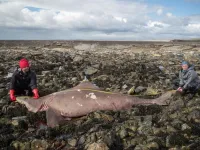
Some unexpected shark strandings and subsequent surprises following autopsies have, ironically, taken marine biologists millions of years back in time as they look to the future with concern. Adding chapters to an evolutionary tale involving the infamous megalodon shark (the “Meg”), they think their work suggests there are more warm-blooded sharks out there than previously believed, and – based on the Meg’s demise – these species may be at great risk from warming seas. Some of the most ...

Read the release
Science

Study finds acute calcium pyrophosphate deposition arthritis doubles fracture risk

ATLANTA - Researchers will present the first-ever study of fractures and calcium pyrophosphate deposition disease at ACR Convergence 2023, the American College of Rheumatology’s (ACR) annual meeting. They report a doubled risk of fractures in patients with acute calcium pyrophosphate crystal arthritis compared to those without the disease (Abstract #0235). Calcium pyrophosphate deposition (CPPD) disease occurs when calcium pyrophosphate (CPP) crystals form near cartilage cells, and sometimes leads to joint inflammation, pain, and swelling. It has often been called pseudogout because ...

Read the release
Science

Diverse task force develops new quality measures to improve lupus care by 2030

ATLANTA — Leaders of a project to develop and implement equitable new quality measures for lupus care by the end of the decade will present their work at ACR Convergence 2023, the American College of Rheumatology’s (ACR) annual meeting (Abstract #1899). Systemic lupus erythematosus (SLE, lupus) is an autoimmune disease marked by adaptive immune system activation, formation of autoantibodies, and systemic inflammation affecting organ systems throughout the body. Lupus disproportionately affects women and people of color, who are more likely to have severe ...

Read the release
Science

Study shows saliva gland abnormalities in Sjögren's worsens over time

ATLANTA - New research at ACR Convergence 2023, the American College of Rheumatology’s (ACR) annual meeting, shows that ultrasound-detected salivary gland abnormalities in primary Sjögren's become more severe over time and that the slow-to-progress disease likely starts long before it is first detected (Abstract #1371). Sjögren's disease also known as Primary Sjögren’s syndrome, is a systemic autoimmune disorder. It is marked by inflammation of the lacrimal and salivary glands, leading to chronic dry eyes and mouth. Fatigue is common, ...

Read the release
Science

Study finds JAK inhibitors and tocilizumab effective in VEXAS syndrome

ATLANTA - New research at ACR Convergence 2023, the American College of Rheumatology’s (ACR) annual meeting, found that JAK inhibitors (JAKi) and tocilizumab elicited better response rates in VEXAS syndrome compared to other targeted therapies (Abstract #L03). VEXAS syndrome is a rare and often fatal autoimmune condition caused by a mutation in the UBA1 gene. It is marked by widespread inflammation leading to a range of symptoms that affect the skin, lungs, blood vessels and joints. The name is an acronym for disease characteristics: vacuoles in bone marrow, E1 enzyme (the enzyme encoded by the UBA1 gene), ...

Read the release
Science

Study finds TNF blockers are not associated with poor pregnancy outcomes

ATLANTA — According to new research at ACR Convergence 2023, the American College of Rheumatology’s (ACR) annual meeting, continuing tumor necrosis factor inhibitors during pregnancy is not associated with worse fetal or obstetric outcomes and may reduce the risk of severe maternal infections during pregnancy (Abstract #0477). Tumor necrosis factor (TNF) inhibitors such as adalimumab and infliximab are often prescribed for inflammatory forms of arthritis that have not improved with other treatments. Although studies suggest the drugs are safe during pregnancy, ...

Read the release
Science

Measuring skin water loss predicts anaphylaxis during food allergy tests

Food allergies can quickly turn a casual meal into a life-threatening situation. Anaphylaxis – a severe allergic reaction that may include a skin rash, nausea, vomiting, difficulty breathing, and shock – from a food allergy sends 200,000 people to the emergency room annually in the United States. Because pinpointing a food allergy could mean life or death, an accurate diagnosis is critical. Oral food challenges – when a patient ingests increasing doses up to a full serving of the suspected food allergen under ...

Read the release
Science

Apps for depression: Effective, but with room for improvement

A study involving the Universitat Oberta de Catalunya (UOC) has found that the use of applications for depression can have a significant effect on treating the symptoms of this increasingly prevalent mental illness, especially when used in hybrid treatments, i.e. those that combine technology with the involvement of a professional. That is one of the main conclusions from the research done by the team led by Carme Carrion, principal investigator at the eHealth Lab, based on their compilation and analysis of the most painstaking scientific research in this field in recent years. The members of this research group, which is affiliated ...

Read the release
FDA renews $7.4M grant for pediatric device innovation co-led by Texas A&M
Science

FDA renews $7.4M grant for pediatric device innovation co-led by Texas A&M

Most organizations and companies have two main goals — fulfill a purpose and generate profit. In some cases, profit is prioritized over purpose. However, for researchers at Texas A&M University and their partners with the Southwest-Midwest Pediatric Device Innovation Consortium (SWPDC), the purpose transcends profit. The SWPDC was established in 2018 with $6.75 million in funding from the U.S. Food and Drug Administration (FDA) to address the pediatric device development and innovation deficit. Following five ...

Read the release
Science

Suspected bronchiectasis associated with higher risk of mortality in smokers

Bronchiectasis, a condition defined by widened lung airways, cough and sputum production, and frequent infections, often presents along with chronic obstructive pulmonary disease (COPD). This overlap is associated with airflow obstruction and higher mortality in adults. As healthcare systems now provide access to lung image data more commonly than before, bronchiectasis can be detected incidentally on radiological scans of patients with mild or no symptoms. A team led by researchers at Brigham and Women’s Hospital, a founding member of the Mass General Brigham healthcare system, studied the association ...

Read the release
TIER2 announces the awardees of the reproducibility network open call
Science

TIER2 announces the awardees of the reproducibility network open call

The Horizon Europe funded TIER2 project (enhancing Trust, Integrity and Efficiency in Research through next-level Reproducibility) has announced the two consortia which will receive a €5000 monetary award to hold a kick-off meeting for a national Reproducibility Network in their respective countries. The Georgian and Ukrainian awardees were selected among multiple applicants of the TIER2 Open Call which opened in July 2023 (read more here). After a round of reviews, carried out by Thomas Klebel (TIER2), Luka Ursic ...

Read the release
Science

When dads are feeling a bit depressed or anxious, how do kids fare?

Many parents experience stress, anxiety, and depressive symptoms throughout their lives, particularly during times of transition, such as pregnancy and children’s entry into school. Studies have generally found that high levels of anxiety and depression in parents are linked to poorer behavioural and cognitive outcomes in children. A team of researchers led by Tina Montreuil, Associate Professor in McGill’s Department of Educational and Counselling Psychology and Scientist in the Child Health and Human ...

Read the release
Online shopping for tobacco products rises with California flavor restrictions
Science

Online shopping for tobacco products rises with California flavor restrictions

Online shopping for cigarettes and vaping products increased significantly in the weeks following the implementation of SB-793, a 2022 California law prohibiting the sale of flavored tobacco products. Researchers at the Herbert Wertheim School of Public Health and Human Longevity Science at University of California San Diego identified potential loopholes in tobacco control policies due to the absence of explicit regulations on e-commerce sales in retailer licensing programs. Reporting in the journal Tobacco Control on Nov. 7, 2023, researchers assessed the ...

Read the release
From the original Press-News collection. Issuers of news releases are responsible for the accuracy of their content.