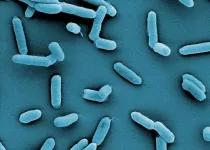
Unlocking the world of bacteria
Bacteria populate virtually every habitat on Earth, including within and on our own bodies. Understanding and engineering bacteria can lead to new methods for diagnosing, treating, and preventing infections. Additionally, it presents opportunities to protect crops from disease and create sustainable cell factories for chemical production, reducing environmental impact — just a few of the many benefits to society. To unlock these advantages, scientists need the ability to manipulate the genetic content of these bacteria. However, a longstanding bottleneck in genetically engineering bacteria has been the efficient ...
Read the release