SFU-led research team designs a cutting-edge protein lawnmower
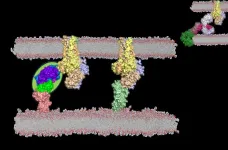
An SFU-led collaboration has designed the first synthetic protein-based motor which harnesses biological reactions to fuel and propel itself. “Imagine if a Roomba could be powered only by the dirt it picks up,” says SFU Physics professor Nancy Forde, one of the authors of the study. The team’s paper, led by SFU Physics PhD graduate Chapin Korosec and published today in Nature Communications, describes a protein-based molecular motor called “The Lawnmower,” which has been designed to cut a lawn of peptide “grass.” ...
Read the release