Medicine Technology 🌱 Environment Space Energy Physics Engineering Social Science Earth Science Science
Science 2014-09-23

New measure provides more data on oxygen levels during sedation

September 23, 2014 – The "area under the curve of oxygen desaturation" (AUCDesat) may provide a more sophisticated approach to monitoring blood oxygen levels during procedures using sedation, according to a study published in Anesthesia & Analgesia. The AUCDesat provides information not only whether blood oxygenation has dropped too low—but also on the depth, duration, and rate of episodes of oxygen desaturation. The new study by Paul Niklewski, PhD, of University of Cincinnati and colleagues reports on the development of the AUCDesat as a potentially useful new approach ...
Read more →
Science 2014-09-23

Termites evolved complex bioreactors 30 million years ago

Achieving complete breakdown of plant biomass for energy conversion in industrialized bioreactors remains a complex challenge, but new research shows that termite fungus farmers solved this problem more than 30 million years ago. The new insight reveals that the great success of termite farmers as plant decomposers is due to division of labor between a fungus breaking down complex plant components and gut bacteria contributing enzymes for final digestion. Sophisticated Management in Termite Fungus Farms Fungus-farming termites are dominant plant decomposers in (sub)tropical ...
Read more →
Speaking of Chemistry: Why we need antibiotics (video)
Medicine 2014-09-23

Speaking of Chemistry: Why we need antibiotics (video)

WASHINGTON, Sept. 23, 2014 — Antibiotics revolutionized health care in the early 20th century, helping kill bacteria that once killed thousands of people. But bacteria are also constantly outsmarting science, and new strains of antibiotic-resistant bacteria are popping up more frequently. This week's Speaking of Chemistry focuses on the current shortage of new antibiotics and discusses the prospects for new drugs. The episode also answers the question: Why should you finish your pills if you feel better? Check it out at: http://youtu.be/MAoDuSxXIUQ. Antibiotics are just ...
Read more →
Medicine 2014-09-23

Brain wave may be used to detect what people have seen, recognize

Brain activity can be used to tell whether someone recognizes details they encountered in normal, daily life, which may have implications for criminal investigations and use in courtrooms, new research shows. The findings, published in Psychological Science, a journal of the Association for Psychological Science, suggest that a particular brain wave, known as P300, could serve as a marker that identifies places, objects, or other details that a person has seen and recognizes from everyday life. Research using EEG recordings of brain activity has shown that the P300 ...
Read more →
Researchers develop new DNA sequencing method to diagnose tuberculosis
Medicine 2014-09-23

Researchers develop new DNA sequencing method to diagnose tuberculosis

Researchers working in the UK and The Gambia, have developed a new approach to the diagnosis of tuberculosis (TB) that relies on direct sequencing of DNA extracted from sputum (a technique called metagenomics) to detect and characterize the bacteria that cause TB without the need for time-consuming culture of bacteria in the laboratory. The research, reported today in the peer-reviewed journal PeerJ, was directed by Professor Mark Pallen, Professor of Microbial Genomics at Warwick Medical School and Dr Martin Antonio, head of the TB diagnostics laboratory at UK Medical ...
Read more →
Social Science 2014-09-23

Chimpanzees raised as pets or performers suffer long-term effects on their behavior

Although the immediate welfare consequences of removing infant chimpanzees from their mothers are well documented, little is known about the long-term impacts of this type of early life experience. In a year-long study, scientists from Lincoln Park Zoon observed 60 chimpanzees and concluded that those who were removed from their mothers early in life and raised by humans as pets or performers are likely to show behavioral and social deficiencies as adults. The multi-institutional research project, published today in the open-access journal PeerJ, was led by Steve Ross, ...
Read more →
Science 2014-09-23

Does the belief in guardian angels make people more cautious?

Los Angeles, CA (September 23, 2014) While many believe that guardian angels watch over to keep them safe in a dangerous world, a new study finds that those who believe are actually less inclined to take risks despite this believed protection. This study was published today in the open access journal SAGE Open. Researchers David Etkin, Jelena Ivanova, Susan MacGregor, and Alalia Spektor surveyed 198 individuals and found that of those who believe in guardian angels, 68% said that this belief affects how they take risks. While some expressed that the belief in guardian ...
Read more →
Medicine 2014-09-23

A multi-function protein is key to stopping genomic parasites from 'jumping'

Most organisms, including humans, have parasitic DNA fragments called "jumping genes" that insert themselves into DNA molecules, disrupting genetic instructions in the process. And that phenomenon can result in age-related diseases such as cancer. But researchers at the University of Rochester now report that the "jumping genes" in mice become active as the mice age when a multi-function protein stops keeping them in check in order to take on another role. In a study published today in Nature Communications, Professor of Biology Vera Gorbunova and Assistant Professor ...
Read more →
Science 2014-09-23

Aberrant PI3K/AKT/mTOR pathway found in vestibular schwanommas may be therapeutic target

Charlottesville, VA (September 23, 2014). Researchers from the University of Toronto, directed by Drs. Gelareh Zadeh and Boris Krischek, investigated gene expression in normal vestibular nerves and vestibular schwannomas (VSs). Two important discoveries were made: 1) there is negligible difference between VSs that sporadically occur and those commonly associated with neurofibromatosis Type 2 (NF2), a genetic disorder; and 2) the overexpressed PI3K/AKT/mTOR signaling pathway in these tumors may be an excellent therapeutic target. Detailed findings of this study are reported ...
Read more →
Medicine 2014-09-23

Presence or absence of early language delay alters anatomy of the brain in autism

A new study led by researchers from the University of Cambridge has found that a common characteristic of autism – language delay in early childhood – leaves a 'signature' in the brain. The results are published today (23 September) in the journal Cerebral Cortex. The researchers studied 80 adult men with autism: 38 who had delayed language onset and 42 who did not. They found that language delay was associated with differences in brain volume in a number of key regions, including the temporal lobe, insula, ventral basal ganglia, which were all smaller in those with ...
Read more →
Medicine 2014-09-23

Critically ill ICU patients lose almost all of their gut microbesand the ones left aren't good

Researchers at the University of Chicago have shown that after a long stay in the Intensive Care Unit (ICU) only a handful of pathogenic microbe species remain behind in patients' intestines. The team tested these remaining pathogens and discovered that some can become deadly when provoked by conditions that mimic the body's stress response to illness. The findings, published in mBio®, the online open-access journal of the American Society for Microbiology, may lead to better monitoring and treatment of ICU patients who can develop a life-threatening systemic infection ...
Read more →
Medicine 2014-09-23

Federal food program puts food on the table, but dietary quality could be improved

ATLANTA – September 23, 2014 –A new American Cancer Society study suggests that participants in the Supplemental Nutrition Assistance Program (SNAP), previously known as the food stamp program, had lower dietary quality scores compared with income eligible non-participants. The authors say the findings emphasize the need to bolster programs aimed at enhancing the dietary quality of SNAP participants. The SNAP program aims to assist low-income individuals and households with the resources to obtain a nutritionally adequate diet. In 2013, approximately 47.6 million individuals, ...
Read more →
Medicine 2014-09-22

Statin use during hospitalization for hemorrhagic stroke associated with improved survival

OAKLAND, Calif., September 22, 2014 –Patients who were treated with a statin in the hospital after suffering from a hemorrhagic stroke were significantly more likely to survive than those who were not, according to a study published today in JAMA Neurology. This study was conducted by the same researchers who recently discovered that the use of cholesterol-lowering statins can improve survival in victims of ischemic stroke. Ischemic stroke is caused by a constriction or obstruction of a blood vessel that blocks blood from reaching areas of the brain, while hemorrhagic ...
Read more →
Medicine 2014-09-22

Cytomegalovirus linked to maternal breast milk in very-low-birth-weight infants

The primary source of postnatal infection with cytomagelovirus (CMV, a common virus usually without symptoms) in very-low-birth-weight (VLBW) infants appeared to be maternal breast milk because no infections were linked to transfusions of CMV-seronegative and leukoreduced blood products writes author Cassandra D. Josephson, M.D., of Children's Healthcare of Atlanta, and colleagues. Transfusion-transmitted CMV (TT-CMV) and breast milk-transmitted (BM-CMV) infection can cause serious illness and death in VLBW babies with immature immune systems. Using CMV-seronegative ...
Read more →
Medicine 2014-09-22

Statins associated with better outcomes in hospitalization for brain hemorrhage

Bottom Line: Hospitalized patients who took statins after a stroke caused by an intracerebral hemorrhage (ICH, bleeding in the brain) appeared to have better 30-day survival and were more likely to be discharged to their home or an acute rehabilitation facility than patients who did not use statins or whose statin use was discontinued in the hospital. Author: Alexander C. Flint, M.D., Ph.D., of Kaiser Permanente Northern California, Redwood City, Calif., and colleagues. Background: Statins are known to reduce the risk of ischemic stroke among patients with a history ...
Read more →
Medicine 2014-09-22

Maternal breast milk is risk factor for cytomegalovirus transmission in premature infants

Premature infants, especially those born with very low-birth-weight (VLBW), are particularly vulnerable to cytomegalovirus (CMV) infection because of their immature immune systems. CMV infection can cause serious disease and, in severe cases, lead to death. Two important potential sources of CMV infection in premature infants are blood transfusions and breast milk. Neither source has previously been systematically examined in a large enough study, however, to quantify the specific risks of infection and identify risk factors to help guide prevention strategies. In ...
Read more →
Science 2014-09-22

Hardwiring AHA guidelines into order system reduced telemetry orders

Bottom Line: A health care system reduced its use of telemetry (monitoring to detect irregular heartbeats) by 70 percent by integrating the American Heart Association's (AHA's) guidelines into its electronic ordering system. Author: Robert Dressler, M.D., M.B.A., of the Christiana Care Health System, Newark, Del., and colleagues. Background: The AHA recommendations for non-intensive care unit (non-ICU) cardiac telemetry divide patients into three groups: cardiac telemetry is indicated, it may provide benefit or it is unlikely to provide benefit. Non-ICU telemetry appeared ...
Read more →
Medicine 2014-09-22

Discount generic drug programs grow over time

Generic discount drug programs (GDDPs, which charge nominal fees to fill prescriptions) have grown over time and their initial lower use by racial/ethnic minorities has evaporated., writes author Song Hee Hong, Ph.D., of the University of Tennessee Health Science Center, Memphis, and Sunghee H. Tak, Ph.D., M.P.H., R.N., of the University of Memphis, Tennessee. GDDPS can reduce medication costs and help patients get their drug therapy. However, the initial use of GDDPs was low in 2007 at 3.6 percent of patients receiving any prescription drugs, especially among minorities. ...
Read more →
Medicine 2014-09-22

Few kids receive psychotherapy along with medication for ADHD, study finds

About one quarter of commercially-insured children who are treated with medication for attention-deficit/hyperactivity disorder also receive psychotherapy, and the percentage is far lower in many parts of the country, according to a new RAND Corporation study. Published as a research letter in the Sept. 22 edition of JAMA Pediatrics, the study is the first to document the substantial variation in receipt of talk therapy among U.S. children treated with ADHD medication, varying more than six-fold across counties in the United States. For many children with attention-deficit/hyperactivity ...
Read more →
Science 2014-09-22

Research study analyzes the best exercise for obese youths

What exercise program can best fight the "epidemic" of teen obesity? According to a study published in the Journal of the American Medical Association (JAMA) Pediatrics, by combining aerobic exercise with resistance training. The Healthy Eating Aerobic and Resistance Training in Youth (HEARTY) study, led by researchers at the University of Calgary and University of Ottawa, involved 304 overweight teens in the Ottawa/Gatineau area between the ages of 14 to 18. All were given the same four weeks of diet counseling to promote healthy eating and weight loss before being ...
Read more →
Science 2014-09-22

Think the system for paying US doctors is rigged to favor surgeons? Study may surprise you

ANN ARBOR, Mich. — A surprising new study pulls back the curtain on one of the most contentious issues in health care: differences in payment and income between physicians who perform operations, procedures or tests, and those who don't. Contrary to perception, the research indicates, the physician payment system is not inherently "rigged" to favor surgeons and other procedure-performing doctors. The new findings counter the widely held belief that a simple difference in pay per minute explains why doctors who perform procedures often earn nearly twice as much money ...
Read more →
Scientists seen as competent but not trusted by Americans
Science 2014-09-22

Scientists seen as competent but not trusted by Americans

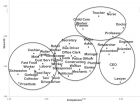
PRINCETON, N.J.—If scientists want the public to trust their research suggestions, they may want to appear a bit "warmer," according to a new review published by Princeton University's Woodrow Wilson School of Public and International Affairs. The review, published in the Proceedings of the National Academy of Sciences (PNAS), shows that while Americans view scientists as competent, they are not entirely trusted. This may be because they are not perceived to be friendly or warm. In particular, Americans seem wary of researchers seeking grant funding and do not trust ...
Read more →
Science 2014-09-22

We drink more alcohol on gym days

Thursdays to Sundays are when people both exercise more and drink more Study used smartphones to record daily alcohol intake and physical activity Findings differ from past research on physical activity and exercise CHICAGO --- A new Northwestern Medicine® study finds that on days when people exercise more -- typically Thursdays to Sundays -- they drink more alcohol, too. This is the only study to use smartphone technology and a daily diary approach for self-reporting physical activity and alcohol use. "Monday through Wednesday people batten down the hatches ...
Read more →
Medicine 2014-09-22

The fine line between breast cancer and normal tissues

Boston, MA – Up to 40 percent of patients undergoing breast cancer surgery require additional operations because surgeons may fail to remove all the cancerous tissue in the initial operation. However, researchers at Brigham and Women's Hospital (BWH) have successfully tested a tool they developed that will help surgeons better distinguish cancerous breast tissue from normal tissue, thereby decreasing the chances for repeat operations. The study is published online the week of September 22, 2014 in the Proceedings of the National Academy of Sciences. The tool, known ...
Read more →
Energy 2014-09-22

Plant variants point the way to improved biofuel production

Manufacturing biofuels from food crop by-products such as straw could be made quicker and cheaper thanks to the work of scientists in the UK and France. Researchers funded by the Biotechnology and Biological Sciences Research Council (BBSRC) have discovered variant straw plants whose cell walls are more easily broken down to make biofuels, but which are not significantly smaller or weaker than regular plants. The discovery could help ease pressure on global food security as biofuels from non-food crops become easier and cheaper to make. The impact of carbon emissions ...
Read more →