New insights on an ancient plague could improve treatments for infections
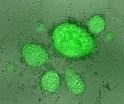
DURHAM, N.C. – Dangerous new pathogens such as the Ebola virus invoke scary scenarios of deadly epidemics, but even ancient scourges such as the bubonic plague are still providing researchers with new insights on how the body responds to infections. In a study published online Sept. 18, 2014, in the journal Immunity, researchers at Duke Medicine and Duke-NUS Graduate Medical School Singapore detail how the Yersinia pestis bacteria that cause bubonic plague hitchhike on immune cells in the lymph nodes and eventually ride into the lungs and the blood stream, where the infection ...
Read the release