Medicine Technology 🌱 Environment Space Energy Physics Engineering Social Science Earth Science Science
Frogs have developed rapid defences against the red swamp crayfish
Science 2014-07-09

Frogs have developed rapid defences against the red swamp crayfish

The common frog is one of the amphibians with the highest distribution in the Iberian Peninsula. It reproduces preferably in permanent areas of water where it comes into contact with the red swamp crayfish, which preys on its larvae. Research carried out by the Spaniard Germán Orizaola from the University of Uppsala (Sweden) confirms that the larvae of these frogs have developed a defensive response to the invasive species. They also have deeper tails and larger bodies if they co-exist with the crayfish. Numerous invasive organisms are currently spreading outside of their ...
Read more →
Science 2014-07-09

RUB chemists develop novel catalyst with 2 functions

Chemists at the Ruhr-Universität Bochum have made a decisive step towards more cost-efficient regenerative fuel cells and rechargeable metal-air batteries. They developed a new type of catalyst on the basis of carbon, which can facilitate two opposite reactions: electrolysis of water and combustion of hydrogen with oxygen. A catalyst of this kind might make the storage of wind and solar energy and the manufacture of cost-efficient batteries, for example for electric cars, possible. The team published their report in the "International Edition" of the magazine "Angewandte ...
Read more →
Medicine 2014-07-09

Rotten egg gas holds key to healthcare therapies

It may smell of flatulence and have a reputation for being highly toxic, but when used in the right tiny dosage, hydrogen sulfide is now being being found to offer potential health benefits in a range of issues, from diabetes to stroke, heart attacks and dementia. A new compound (AP39), designed and made at the University of Exeter, could hold the key to future therapies, by targeting delivery of very small amounts of the substance to the right (or key) places inside cells. Scientists in Exeter have already found that the compound protects mitochondria – the "powerhouse" ...
Read more →
NIH launches Phase I clinical trial of novel drug to treat Clostridium difficile infection
Medicine 2014-07-09

NIH launches Phase I clinical trial of novel drug to treat Clostridium difficile infection

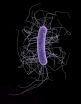
The National Institute of Allergy and Infectious Diseases (NIAID), part of the National Institutes of Health, has launched an early-stage clinical trial of CRS3123, an investigational oral antibiotic intended to treat Clostridium difficile (C. difficile) infection. CRS3123 (previously known as REP3123) is a narrow-spectrum agent that inhibits C. difficile growth while sparing normal intestinal bacteria. The Phase I trial will enroll up to 30 healthy men and women ages 18 to 45 in a dose-escalation study to evaluate the investigational drug's safety and tolerability. Quintiles, ...
Read more →
Medicine 2014-07-09

The impact of big data on health care: Health Affairs' July issue

Big data can yield big savings, if they are used in the right ways. David W. Bates of the Brigham and Women's Hospital and coauthors analyzed six use cases with strong opportunities for cost savings—high-cost patients; readmissions; triage; decompensation (when a patient's condition worsens); adverse events; and treatment optimization when a disease affects multiple organ systems. They suspect that cost-savings benefits will vary widely, though the current costs associated with all six scenarios will be significant. The authors suggest that using analytics for multiple ...
Read more →
Discovery of new drug targets for memory impairment in Alzheimer's disease
Medicine 2014-07-09

Discovery of new drug targets for memory impairment in Alzheimer's disease

VIDEO: This is a movie showing how the reactive astrocytes in the brains of Alzheimer's disease model produce the inhibitory transmitter GABA by the enzyme MAO-B and release GABA through the... Click here for more information. Alzheimer's disease, which is the most common cause of dementia, is fatal and currently, there is no cure. In Alzheimer's disease, brain cells are damaged and destroyed, leading to devastating memory loss. It is reported that 1 in 8 Americans aged 65 or over ...
Read more →
Medicine 2014-07-09

Neuroprotective effects of low concentration of lithium

Lithium, as a neuroprotective agent, benefits for neuronal survival. Recent cDNA array studies have demonstrated that mood stabilizer lithium exhibits neuroprotective effects through multiple targets. Dr. Riadh Nciri and his team, Purpan Medicine Faculty, Paul Sabatier University, France, exposed SH-SY5Y cells to 0.5 mmol/L lithium carbonate for 25-50 weeks and then detected the expression levels of some neurobiology related genes and post-translational modifications of stress proteins in SH-SY5Y cells. cDNA arrays showed that pyruvate kinase 2 (PKM2) and calmodulin 3 expression ...
Read more →
Medicine 2014-07-09

Filiform needle acupuncture versus antidepressant drugs for poststroke depression

Whether acupuncture or antidepressant drugs exhibit better therapeutic effects on poststroke depression remains disputed. The effectiveness of acupuncture for poststroke depression can be evaluated by evidence-based medicine studies, which provide evidence for clinical application. Systematic review or meta-analysis studies have demonstrated that early acupuncture is superior to conventional western medicine in the treatment of poststroke depression. However, high-quality literatures are needed to further validate the effectiveness of acupuncture for poststroke depression. ...
Read more →
What aggravates hippocampal neuronal injury in acute cerebral ischemia?
Medicine 2014-07-09

What aggravates hippocampal neuronal injury in acute cerebral ischemia?

Activation of extracellular signal-regulated kinase 1/2 has been demonstrated in acute cerebral ischemia. Yaning Zhao and her colleagues, Hebei United University, China induced transient whole-brain ischemia by four-vessel occlusion in normal and diabetic rats and intravenously injected diabetic rats with extracellular signal-regulated kinase 1/2 30 minutes before ischemia as a pretreatment. Results showed that during the pathological progression of cerebral ischemia/reperfusion in rats, activation of extracellular signal-regulated kinase 1/2 exhibits protective effect ...
Read more →
Medicine 2014-07-09

Depression in AMD patients with low vision can be halved by integrated therapies

SAN FRANCISCO – July 9, 2014 – The first clinical trial to examine integrated low vision and mental health treatment has shown that the approach can reduce the incidence of depression by half among people with low vision due to age-related macular degeneration (AMD). The results of the study were published online today in Ophthalmology, the journal of the American Academy of Ophthalmology. Low vision is a visual impairment that interferes with a person's ability to perform everyday tasks and cannot be corrected with glasses, contact lenses, medicine or surgery. A common ...
Read more →
Rehabilitation helps prevent depression from age-related vision loss
Science 2014-07-09

Rehabilitation helps prevent depression from age-related vision loss

Depression is a common risk for people who have lost their vision from age-related macular degeneration (AMD), but a new study shows that a type of rehabilitation therapy can cut this risk in half. The study was funded by the National Eye Institute (NEI), part of the National Institutes of Health. "Our results emphasize the high risk of depression from AMD, and the benefits of multi-disciplinary treatment that bridges primary eye care, psychiatry, psychology, and rehabilitation," said Barry Rovner, M.D., a professor of psychiatry and neurology at the Sidney Kimmel Medical ...
Read more →
Researchers led by Stanford engineer figure out how to make more efficient fuel cells
Medicine 2014-07-09

Researchers led by Stanford engineer figure out how to make more efficient fuel cells

Solar power and other sources of renewable energy can help combat global warming but they have a drawback: they don't produce energy as predictably as plants powered by oil, coal or natural gas. Solar panels only produce electricity when the sun is shining, and wind turbines are only productive when the wind is brisk. Ideally, alternative energy sources would be complemented with massive systems to store and dispense power – think batteries on steroids. Reversible fuel cells have been envisioned as one such storage solution. Fuel cells use oxygen and hydrogen as fuel ...
Read more →
Science 2014-07-09

Children on dairy farms less likely to develop allergies

The occurrence of allergic diseases has risen dramatically in Western societies. One frequently cited reason is that children are less exposed to microorganisms and have fewer infections than previous generations, thereby delaying maturation of the immune system. A study by researchers at Sahlgrenska Academy, University of Gothenburg, monitored children until the age of three to examine maturation of the immune system in relation to allergic disease. All of the children lived in rural areas of the Västra Götaland Region, half of them on farms that produced milk. Lower ...
Read more →
Medicine 2014-07-09

USC scientists discover immune system component that resists sepsis in mice

Molecular microbiologists from the Keck School of Medicine of the University of Southern California (USC) have discovered that mice lacking a specific component of the immune system are completely resistant to sepsis, a potentially fatal complication of infection. The discovery suggests that blocking this immune system component may help reduce inflammation in human autoimmune and hyper-inflammatory diseases such as rheumatoid arthritis and Type 2 diabetes. The study was published online on June 23 in The Journal of Experimental Medicine, a leading peer-reviewed scientific ...
Read more →
Medicine 2014-07-09

Thyroid hormone protects hippocampal cholinergic neurons in normal aged animals

Can thyroid hormone protect neuronal function and increase the survival rate of naturally aged animals? Prof. Ailing Fu and her team, School of Pharmaceutical Sciences, Southwest University, China performed an animal experiment in which aged mice were administered with low dose of levothyroxine for 3 consecutive months. Results showed that the aged rats exhibited an obvious improvement in cognitive and an increased rat survival rate from 60% to 93%. The underlying mechanism was demonstrated that levothyroxine treatment can increase the levels of choline acetyltransferase ...
Read more →
Medicine 2014-07-09

Nasal mucosal inhalation of AD vaccine attenuates Aβ1-42-induced cytotoxicity

Cholinergic inhibitors and N-methyl-D-aspartate receptor antagonists can alleviate the symptoms of Alzheimer's disease, but fail to affect irreversible cognitive dysfunction and effectively scavenge amyloid beta peptide in the brain. Amyloid beta peptide (Aβ) vaccines reduced and eliminated Aβ deposition in an Alzheimer's disease (AD) transgenic mouse model, and significantly improved behavioral and cognitive impairment. Dr. Yunpeng Cao and his team, First Affiliated Hospital of China Medical University, China immunized AD transgenic mouse models with Plp-Adeno-X-CMV-(Aβ3-10)10-CpG ...
Read more →
Social Science 2014-07-09

Night-time brilliance lights up political patronage

In some countries, a region that can lay claim to being the birthplace of a country's political leader is likely to get preferential treatment – bias that shines out when the intensity of night lights is compared with that in other regions. This new approach to pinpointing regional favouritism has been developed by researchers from Monash University and the University of St Gallen. Using information on the birthplaces of political leaders in 126 countries, and satellite data on night-time light intensity from 38,427 subnational regions from 1992-2009, they established ...
Read more →
Adolescents from southern Europe are less fit and more obese than central-northern European peers
Science 2014-07-09

Adolescents from southern Europe are less fit and more obese than central-northern European peers

Adolescents in southern Europe are less fit in terms of cardiorespiratory capacity, strength and speed-agility than their central-northern European peers. Moreover, southern adolescents are more obese and present higher levels of total and abdominal fat than those from the centre-north of Europe. These are some of the remarkable results from an ambitious study conducted by scientists from the University of Granada Department of Medical Physiology in collaboration with 25 other European research groups. The study compared the level of physical fitness of adolescents living ...
Read more →
Medicine 2014-07-09

Cinnamon may be used to halt the progression of Parkinson's disease

(CHICAGO) – Neurological scientists at Rush University Medical Center have found that using cinnamon, a common food spice and flavoring material, can reverse the biomechanical, cellular and anatomical changes that occur in the brains of mice with Parkinson's disease (PD). The results of the study were recently published in the June 20 issue of the Journal of Neuroimmune Pharmacology. "Cinnamon has been used widely as a spice throughout the world for centuries," said Kalipada Pahan, PhD, study lead researcher and the Floyd A. Davis professor of neurology at Rush. "This ...
Read more →
Medicine 2014-07-09

Rockefeller scientists first to reconstitute the DNA 'replication fork'

When a cell divides, it must first make a copy of its DNA, a fundamental step in the life cycle of cells that occurs billions of times a day in the human body. While scientists have had an idea of the molecular tools that cells use to replicate DNA—the enzymes that unzip the double-stranded DNA and create "daughter" copies—they did not have a clear picture of how the process works. Now, researchers at Rockefeller University have built the first model system to decipher what goes on at the "replication fork"—the point where DNA is split down the middle in order to create ...
Read more →
Science 2014-07-09

Discovery of a new means to erase pain

Québec City, July 9, 2014 – A study published in the scientific journal Nature Neuroscience by Yves De Koninck and Robert Bonin, two researchers at Université Laval, reveals that it is possible to relieve pain hypersensitivity using a new method that involves rekindling pain so that it can subsequently be erased. This discovery could lead to novel means to alleviate chronic pain. The researchers from the Faculty of Medicine at Université Laval and Institut universitaire en santé mentale de Québec (IUSMQ) were inspired by previous work on memory conducted some fifteen ...
Read more →
Social Science 2014-07-09

Nearly 50 percent of grade 12 students in Ontario report texting while driving

EMBARGOED - July 9, 2014, 3:01 a.m. ET (Toronto) – An ongoing survey of Ontario students in grades 7 to 12 conducted for Canada's Centre for Addiction and Mental Health (CAMH) reveals a number of significant behavioural trends, including an alarming number of young people who are texting while driving. According to the 2013 Ontario Student Drug Use and Health Survey (OSDUHS) Mental Health and Well-Being Report, over one-third of licensed Ontario students in grades 10 to12 – an estimated 108,000 adolescent drivers – report texting while driving at least once in the past ...
Read more →
Medicine 2014-07-09

Study finds kidney donation safe for healthy older adults

Older kidney donors enjoy similar longevity and cardiovascular health as other healthy mature individuals, according to a new study published in the American Journal of Transplantation. The findings may provide some reassurance to older individuals considering donation and the transplant professionals caring for them. Over the past two decades, live kidney donation by individuals aged 55 years and older has become more common. Given the links between older age, kidney disease, and heart disease, the removal of a kidney could make older donors vulnerable to premature death ...
Read more →
For corals adapting to climate change, it's survival of the fattest -- and most flexible
Environment 2014-07-09

For corals adapting to climate change, it's survival of the fattest -- and most flexible

COLUMBUS, Ohio—The future health of the world's coral reefs and the animals that depend on them relies in part on the ability of one tiny symbiotic sea creature to get fat—and to be flexible about the type of algae it cooperates with. In the first study of its kind, scientists at The Ohio State University discovered that corals—tiny reef-forming animals that live symbiotically with algae—are better able to recover from yearly bouts of heat stress, called "bleaching," when they keep large energy reserves—mostly as fat—socked away in their cells. "We found that some coral ...
Read more →
Science 2014-07-09

Mode of delivery following a perineal tear and recurrence rate in subsequent pregnancies

There is an increased risk of severe perineal tearing during childbirth in women who had such a tear in a previous delivery, suggests a new study published today (9 July) in BJOG: An International Journal of Obstetrics and Gynaecology (BJOG). This study, investigates among women who have had a third or fourth degree perineal tear, the mode of delivery in subsequent pregnancies and the recurrence of severe perineal tears. Most women tear to some extent during childbirth and in some women the tear may be more extensive. A third degree tear extends downwards from the ...
Read more →