Medicine Technology 🌱 Environment Space Energy Physics Engineering Social Science Earth Science Science
Medicine 2014-06-05

Stimulating a protein in skin cells could improve psoriasis symptoms

Psoriasis is a common, long-lasting disease that causes itchy or sore patches of thick, red skin with silvery scales. Environmental contaminants can trigger psoriasis and other autoimmune disorders, and it is thought that a protein called the aryl hydrocarbon receptor (AhR), which senses environmental toxins, could play a role. A study published by Cell Press on June 5 in the journal Immunity shows that the severity of inflammation associated with psoriasis is unexpectedly suppressed by AhR. The findings suggest that stimulation of AhR could improve symptoms and may represent ...
Read more →
Medicine 2014-06-05

Neurons transplanted into Parkinson's-affected brains appear healthy after 14 years

When transplanted into the midbrains of adult patients with Parkinson's disease, dopamine neurons derived from fetal tissue can remain healthy for many years. The findings reported in the Cell Press journal Cell Reports on June 5th suggest that transplanted neurons don't degenerate over time as some had suggested and feared they would, which provides further rationale for pursuing stem cells as a source for transplant-ready dopamine neurons, according to the researchers. "Our findings show a robust expression of dopamine transporters and a lack of abnormal mitochondrial ...
Read more →
Medicine 2014-06-05

Activating the immune system could treat obesity and diabetes

Obesity is a worldwide epidemic that is causing alarming rates of diabetes and cardiovascular disease, but currently there is a lack of effective drug treatments. Two unrelated studies published by Cell Press June 5th in the journal Cell reveal an important role for immune pathways in activating good types body fat, called brown and beige fat, which burn stored calories, reduce weight, and improve metabolic health. The findings could pave the way for much-needed treatments for obesity and related metabolic diseases. "The idea that metabolic health can be improved by activation ...
Read more →
Fasting may help protect against immune-related effects of chemotherapy and aging
Medicine 2014-06-05

Fasting may help protect against immune-related effects of chemotherapy and aging

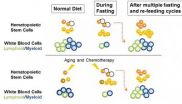
While chemotherapy can save lives, it can also cause many side effects, including the depletion of immune cells. Also, even in the absence of chemotherapy, normal aging takes a heavy toll on the immune system, leading to immune deficiencies and a higher risk of developing leukemia and a variety of malignancies with age. Now researchers reporting in the June 5th issue of the Cell Press journal Cell Stem Cell have found that a simple dietary intervention—periodic fasting—may combat both chemotherapy-induced and aging-related changes in immune cell function by replenishing ...
Read more →
Medicine 2014-06-05

Outcomes of a 2-year national rare disease gene discovery project

OTTAWA, ON – June 5, 2014 – As part of the Finding of Rare Disease Genes (FORGE) research project, Canadian researchers have developed an expertise in understanding the underlying biology of rare childhood disorders. The first public commentary of this nationwide study is available today in the American Journal of Human Genetics. "When we launched this project, we predicted we might explain, or solve, 50 disorders; we've almost tripled that goal," said Dr. Kym Boycott, lead investigator of FORGE and clinician scientist at the Children's Hospital of Eastern Ontario ...
Read more →
First 3-D pterosaur eggs found with their parents
Science 2014-06-05

First 3-D pterosaur eggs found with their parents

Researchers have discovered the first three-dimensionally preserved pterosaur eggs in China. The eggs were found among dozens, if not hundreds, of pterosaur fossils, representing a new genus and species (Hamipterus tianshanensis). The discovery, described in the Cell Press journal Current Biology on June 5, reveals that the pterosaurs—flying reptiles with wingspans ranging from 25 cm to 12 m—lived together in gregarious colonies. Xiaolin Wang of the Chinese Academy of Sciences' Institute of Vertebrate Paleontology and Paleoanthropology says it was most exciting to find ...
Read more →
Medicine 2014-06-05

McLean Hospital researchers see promise in transplanted fetal stem cells for Parkinson's

BELMONT, MA -- Researchers at Harvard-affiliated McLean Hospital have found that fetal dopamine cells transplanted into the brains of patients with Parkinson's disease were able to remain healthy and functional for up to 14 years, a finding that could lead to new and better therapies for the illness. The discovery, reported in the June 5, 2014 issue of the journal Cell Reports, could pave the way for researchers to begin transplanting dopamine neurons taken from stem cells grown in laboratories, a way to get treatments to many more patients in an easier fashion. "We ...
Read more →
Medicine 2014-06-05

Fasting triggers stem cell regeneration of damaged, old immune system

In the first evidence of a natural intervention triggering stem cell-based regeneration of an organ or system, a study in the June 5 issue of the Cell Press journal Cell Stem Cell shows that cycles of prolonged fasting not only protect against immune system damage — a major side effect of chemotherapy — but also induce immune system regeneration, shifting stem cells from a dormant state to a state of self-renewal. In both mice and a Phase 1 human clinical trial, long periods of not eating significantly lowered white blood cell counts. In mice, fasting cycles then "flipped ...
Read more →
Medicine 2014-06-05

Immune system molecules may promote weight loss, UCSF study finds

The calorie-burning triggered by cold temperatures can be achieved biochemically – without the chill – raising hopes for a weight-loss strategy focused on the immune system rather than the brain, according to a new study by UC San Francisco researchers. The team determined that two signaling molecules secreted by cells of the immune system trigger the conversion of fat-storing white fat cells to fat-burning beige fat cells. Ajay Chawla, MD, PhD, an associate professor of medicine at the UCSF Cardiovascular Research Institute, led the study, published online June 5, 2014 ...
Read more →
Scientists generate long-sought molecular map of critical genetic machinery
Science 2014-06-05

Scientists generate long-sought molecular map of critical genetic machinery

LA JOLLA, CA—June 5, 2014—A team led by researchers at The Scripps Research Institute (TSRI) has used advanced electron microscopy techniques to determine the first accurate structural map of Mediator, one of the largest and most complex "molecular machines" in cells. Mediator is crucial for the regulation of most genes' activity and works in the cells of all plants and animals. The mapping of its structure—which includes more than two dozen unique protein subunits—represents a significant advance in basic cell biology and should shed light on medical conditions involving ...
Read more →
Medicine 2014-06-05

Diabetes care depends on how your doctor is paid

TORONTO, June 5, 2014 – From 2006 to 2008, nearly 75 per cent of Ontarians with diabetes did not receive all of the tests recommended to properly monitor their disease. How their doctor was paid was one of the factors determining the care they received, according to a study by researchers at St. Michael's Hospital and the Institute for Clinical Evaluative Sciences (ICES). The study, published today in the Canadian Journal of Diabetes, found that patients who were not actively enrolled with a family doctor were least likely to receive optimum diabetes care. The researchers ...
Read more →
New method reveals single protein interaction key to embryonic stem cell differentiation
Medicine 2014-06-05

New method reveals single protein interaction key to embryonic stem cell differentiation

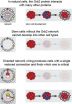
Proteins are responsible for the vast majority of the cellular functions that shape life, but like guests at a crowded dinner party, they interact transiently and in complex networks, making it difficult to determine which specific interactions are most important. Now, researchers from the University of Chicago have pioneered a new technique to simplify the study of protein networks and identify the importance of individual protein interactions. By designing synthetic proteins that can only interact with a pre-determined partner, and introducing them into cells, the team ...
Read more →
Medicine 2014-06-05

Research helps clarify how obesity leads to type 2 diabetes, cancer

New findings about the biological links between obesity, insulin resistance and type 2 diabetes may also shed light on the connection between obesity and cancer, says a scientist at The University of Texas at Dallas. In a study published online June 5 in the journal Cell, UT Dallas' Dr. Jung-whan (Jay) Kim and colleagues at the University of California, San Diego found that a protein called HIF-1 alpha plays a key role in the development of insulin resistance and type 2 diabetes in obese mice. The researchers genetically engineered mice to lack the HIF-1 alpha protein ...
Read more →
Medicine 2014-06-05

New research explains how we use the GPS inside our brain to navigate

The way we navigate from A to B is controlled by two brain regions which track the distance to our destination, according to new research funded by the Wellcome Trust and published in Current Biology. The study found that at the beginning of a journey, one region of the brain calculates the straight-line to the destination ('the distance as a crow flies'), but during travel a different area of the brain computes the precise distance along the path to get there. The findings pinpoint the precise brain regions used and in doing so change how scientists believed we use ...
Read more →
Medicine 2014-06-05

Our own treacherous immune genes can cause cancer after viral infection

HPV (human papillomavirus) infection is widely known to induce cancer. Many of the mutations that cause this virally-induced cancer are caused by a family of genes that normally combats viral infections, finds new UCL (University College London) research. This raises the possibility of developing drugs to regulate the activity of these genes to prevent HPV-associated cancers from developing and reduce the ability of existing cancers to evolve resistance to treatments. The research, published in Cell Reports, shows for the first time that genes from the 'APOBEC' family, ...
Read more →
Medicine 2014-06-05

Cellular traffic control system mapped for the first time

Cells must transport nutrients and messenger cargos through its membrane and transport them within the cell at the correct time and place. This procedure is complex and is regulated with the help of specific genes. If disturbances in the transport mechanism arise, severe diseases, such as diabetes, cancer and diverse neurological pathologies, are the consequence. The discovery of the molecular principles of cellular transport was honored with the Nobel Prize of physiology and medicine in 2013. While knowing the intracellular roads and the functioning of the cars that use ...
Read more →
Science 2014-06-05

Unmasking viral invaders

If you have it, you probably don't know it. Cytomegalovirus, or CMV, is perhaps one of the biggest pathogens you've never heard of—big, both proportionately and epidemiologically. It contains approximately 200 genes, compared to HIV's paltry 18, and it's everywhere. You can catch it as a preschooler salivating over blocks, or as a teenager experiencing your first kiss. Once you have it, you have it for life. Good news: If you're healthy, it's harmless. Your T cells keep it in check, and you'll be none the wiser. Bad news: If you have any medical condition that dampens ...
Read more →
Making artificial vision look more natural
Technology 2014-06-05

Making artificial vision look more natural

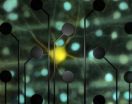
In laboratory tests, researchers have used electrical stimulation of retinal cells to produce the same patterns of activity that occur when the retina sees a moving object. Although more work remains, this is a step toward restoring natural, high-fidelity vision to blind people, the researchers say. The work was funded in part by the National Institutes of Health. Just 20 years ago, bionic vision was more a science fiction cliché than a realistic medical goal. But in the past few years, the first artificial vision technology has come on the market in the United States ...
Read more →
Discovered a new way to control genetic material altered in cancer
Medicine 2014-06-05

Discovered a new way to control genetic material altered in cancer

When we talk about genetic material, we are usually referring to the DNA (deoxyribonucleic acid) that we inherit from our parents. This DNA is the factory where is built a similar molecule called RNA (ribonucleic acid) which produces our proteins, such as hemoglobin or insulin , allowing the lives of our cells. But there is a special group called non-coding RNA that has a more enigmatic function. The best known is microRNAs, tiny molecules that are responsible for turning on or off our genome like an electrical current switch. Today, an article published in the prestigious ...
Read more →
A new model of liver regeneration
Science 2014-06-05

A new model of liver regeneration

Harvard Stem Cell Institute scientists at Boston Children's Hospital have new evidence in mice that it may be possible to repair a chronically diseased liver by forcing mature liver cells to revert back to a stem cell-like state. The researchers, led by Fernando Camargo, PhD, happened upon this discovery while investigating whether a biochemical cascade called Hippo, which controls how big the liver grows, also affects cell fate. The unexpected answer, published in the journal Cell, is that switching off the Hippo-signaling pathway in mature liver cells generates very ...
Read more →
Science 2014-06-05

Vanderbilt scientists discover that chemical element bromine is essential to human life

Twenty-seven chemical elements are considered to be essential for human life. Now there is a 28th – bromine. In a paper published Thursday by the journal Cell, Vanderbilt University researchers establish for the first time that bromine, among the 92 naturally-occurring chemical elements in the universe, is the 28th element essential for tissue development in all animals, from primitive sea creatures to humans. "Without bromine, there are no animals. That's the discovery," said Billy Hudson, Ph.D., the paper's senior author and Elliott V. Newman Professor of Medicine. The ...
Read more →
Science 2014-06-05

Flowers' polarization patterns help bees find food

Like many other insect pollinators, bees find their way around by using a polarization sensitive area in their eyes to 'see' skylight polarization patterns. However, while other insects are known to use such sensitivity to identify appropriate habitats, locate suitable sites to lay their eggs and find food, a non-navigation function for polarization vision has never been identified in bees – until now. Professor Julian Partridge, from Bristol's School of Biological Sciences and the School of Animal Biology at the University of Western Australia, with his Bristol-based ...
Read more →
Medicine 2014-06-05

Stem cells hold keys to body's plan

Case Western Reserve researchers have discovered landmarks within pluripotent stem cells that guide how they develop to serve different purposes within the body. This breakthrough offers promise that scientists eventually will be able to direct stem cells in ways that prevent disease or repair damage from injury or illness. The study and its results appear in the June 5 edition of the journal Cell Stem Cell. Pluripotent stem cells are so named because they can evolve into any of the cell types that exist within the body. Their immense potential captured the attention ...
Read more →
Science 2014-06-05

Couples sleep in sync when the wife is satisfied with their marriage

DARIEN, IL – A new study suggests that couples are more likely to sleep in sync when the wife is more satisfied with their marriage. Results show that overall synchrony in sleep-wake schedules among couples was high, as those who slept in the same bed were awake or asleep at the same time about 75 percent of the time. When the wife reported higher marital satisfaction, the percent of time the couple was awake or asleep at the same time was greater. "Most of what is known about sleep comes from studying it at the individual level; however, for most adults, sleep is a ...
Read more →
Medicine 2014-06-05

The connection between oxygen and diabetes

Researchers at the University of California, San Diego School of Medicine have, for the first time, described the sequence of early cellular responses to a high-fat diet, one that can result in obesity-induced insulin resistance and diabetes. The findings, published in the June 5 issue of Cell, also suggest potential molecular targets for preventing or reversing the process. "We've described the etiology of obesity-related diabetes. We've pinpointed the steps, the way the whole thing happens," said Jerrold M. Olefsky, MD, associate dean for Scientific Affairs and Distinguished ...
Read more →