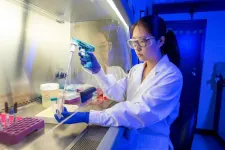
A global majority trusts scientists, wants them to have greater role in policymaking, study finds
In what is considered the most comprehensive post-pandemic survey of trust in scientists, researchers have found a majority of people around the world carry widespread trust in scientists — believing them to be honest, competent, qualified and concerned with public well-being. Researchers surveyed more than 72,000 individuals across 68 countries on perceptions of scientists’ trustworthiness, competence, openness and research priorities. The results, published in the journal Nature Human Behavior, also showed the general public’s desire ...
Read the release