A cheap diabetes pill may keep HIV locked in its dormant state - and two genes explain why
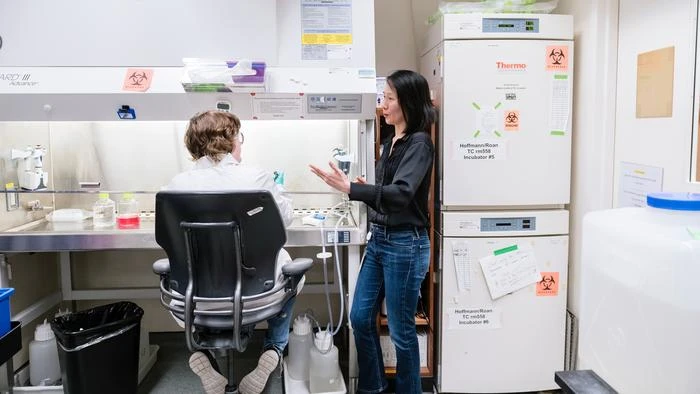
Gladstone Institutes
For most of the 39 million people worldwide living with HIV, antiretroviral therapy is a daily requirement with no end date. The drugs work well - they suppress the virus to undetectable levels, prevent transmission, and allow a normal lifespan. But they must be taken every day, because hidden inside certain immune cells sits a permanent copy of HIV's genetic code, waiting. Stop the drugs, and the virus typically roars back within weeks.
Except in a handful of people, it does not. Some individuals pause therapy and stay suppressed for months. A few manage years. Understanding why has been one of the most persistent questions in HIV research - and a new study from Gladstone Institutes, published in Immunity, offers answers that could reshape the search for a functional cure.
Seventy-five patients who stopped their drugs
Nadia Roan and her team took blood samples from 75 participants across four clinical trials in which people with HIV deliberately interrupted antiretroviral therapy under careful medical supervision. The samples were drawn immediately before each person stopped treatment, giving the researchers a molecular snapshot of the immune system at the moment the safety net was removed.
Using multi-omic analysis - measuring gene expression and protein levels across multiple types of immune cells simultaneously - they searched for features that distinguished people who rebounded quickly from those who held the virus at bay for weeks or months.
The results pointed in several directions at once, suggesting that the immune system has more than one way to keep HIV in check.
Stem-like killer cells and an atypical defense
In two of the four trials, delayed rebound correlated with higher levels of a specific immune cell type: stem cell memory CD8+ T cells. These cells carry a kind of self-renewal capacity that most immune cells lack. The two patients with the longest delays - one exceeding 22 weeks, the other surpassing 33 weeks - had the highest concentrations of these cells.
The implication is significant. Most CD8+ T cells, which are responsible for recognizing and killing virus-infected cells, eventually exhaust themselves. Stem-like versions appear to replenish their own ranks over extended periods, potentially maintaining immune surveillance long after therapy stops.
A separate finding emerged from a third trial: patients with an atypical variant of natural killer cells rebounded later than those with conventional natural killer cells. These immune cells are typically thought of as blunt instruments - rapid destroyers of infected cells. But they also regulate other immune cell behavior, and this regulatory role may be what matters for sustained HIV suppression.
Ashley George, a co-first author on the study, noted that these findings suggest multiple independent mechanisms for controlling HIV without drugs. That diversity is actually encouraging - it means there may be several therapeutic targets to pursue rather than a single elusive one.
Two genes that act as locks on the viral reservoir
The study's most consequential findings came from CD4+ T cells - the primary cell type where HIV hides. People whose reservoir cells expressed higher levels of two specific genes, DDIT4 and ZNF254, took longer to rebound after stopping treatment.
In follow-up laboratory experiments, Roan's team confirmed that both genes can directly suppress HIV. They function as molecular locks, keeping the virus's genetic code silent and preventing it from producing new viral particles.
Analysis of publicly available datasets reinforced the connection. People with higher expression of these genes had reduced HIV activity in their cells. Among so-called elite controllers - rare individuals whose immune systems suppress HIV from the start of infection without any medication - levels of ZNF254 in CD4+ T cells were markedly elevated.
This pattern suggests that elite controllers may partly achieve their remarkable viral suppression through the same gene that correlates with delayed rebound in treatment-interruption trials. If ZNF254 could be delivered to or activated in infected cells, it might be possible to engineer a version of elite control in people who do not naturally possess it.
Metformin enters the picture
Of the two genes, DDIT4 offered the more immediately actionable finding. Previous research had shown that metformin - a drug prescribed to hundreds of millions of people with type 2 diabetes, available generically for pennies per dose - can boost DDIT4 expression. That earlier work focused on non-immune cells, but Roan's team demonstrated the same effect in T cells.
They then tested whether metformin could suppress HIV directly. In laboratory experiments using cells from people with HIV, metformin treatment blocked the virus from reactivating. The drug appeared to reinforce the molecular lock that DDIT4 places on the viral genome.
This result aligns with a therapeutic strategy known as block and lock: first use drugs to prevent HIV activation, then find ways to make that block permanent. Metformin, if it works in patients as it does in cell culture, could serve as the blocking agent - an off-the-shelf, inexpensive first step.
Roan described the potential with measured optimism, noting that pre-clinical and eventually clinical studies are needed to test whether metformin actually delays or prevents HIV rebound in people. The drug's decades-long safety record and low cost make it an attractive candidate for clinical trials, which are now being planned.
What the cells cannot tell us yet
The study's limitations are important to state plainly. The 75-participant sample, while substantial for treatment-interruption studies, is small by broader clinical standards. The four trials used different intervention protocols, making direct comparisons across trials imperfect. The multi-omic measurements capture a snapshot in time, not the dynamic interactions that unfold as the immune system responds to viral rebound.
The metformin experiments were conducted in cell culture, not in animals or people. The gap between suppressing HIV in a dish and suppressing it in a living human body is wide. Drug metabolism, tissue distribution, and the complexity of the intact immune system all introduce variables that laboratory experiments cannot capture.
The block and lock strategy itself remains unproven as a path to a functional cure. Even if metformin delays rebound, making that delay permanent - the lock part of the equation - requires additional interventions that have not yet been developed or tested.
Beyond cure toward chronic health
There is a second reason to pursue HIV silencing strategies beyond the goal of a cure. Even people who remain on antiretroviral therapy experience chronic low-level inflammation driven by viral gene products leaking from reservoir cells. This inflammation contributes to higher rates of cardiovascular disease, metabolic disorders, and other conditions in people living with HIV compared to the general population.
Drugs that more completely silence the viral reservoir could reduce this chronic inflammatory burden, improving long-term health outcomes even for people who continue taking their daily antiretroviral pills. In this framing, the genes DDIT4 and ZNF254 are not just targets for a cure - they are potential tools for better chronic disease management.
The path from a multi-omic analysis of 75 patients to a drug that changes clinical practice is long and uncertain. But the identification of specific, druggable mechanisms that distinguish people who control HIV from those who do not represents the kind of concrete lead that the field has been seeking. And the fact that one of those leads connects to a drug already sitting on pharmacy shelves makes the next steps unusually clear.