Study increases probability of finding water on other worlds by x100
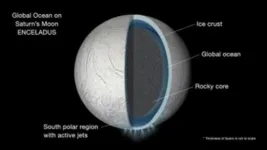
A new analysis shows that there are probably many more Earth-like exoplanets with liquid water than had been thought, significantly increasing the chance of finding life. The work finds that even where the conditions are not ideal for liquid water to exist at the surface of a planet, many stars will harbour geological conditions suitable for liquid water under the planet’s surface. Presenting the work at the Goldschmidt geochemistry conference in Lyon, lead researcher Dr Lujendra Ojha (Rutgers University, New Jersey, USA) said “We know that the presence of liquid water is essential for life. Our work shows that this water can be found in places ...
Read the release