UAF scientist offers evidence that Venus is volcanically active
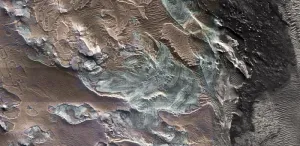
Embargoed: Not for release until 2 p.m. U.S. Eastern time Wednesday, March 15, 2023 Venus appears to have volcanic activity, according to a new research paper that offers strong evidence to answer the lingering question about whether Earth’s sister planet currently has eruptions and lava flows. Venus, although similar to Earth in size and mass, differs markedly in that it does not have plate tectonics. The boundaries of Earth’s moving surface plates are the primary locations of volcanic activity. New research by University of Alaska Fairbanks Geophysical Institute research professor Robert Herrick revealed ...
Read the release