Altered “neuronal avalanches” in brains of epilepsy patients tied to cognitive performance
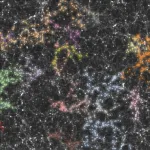
New research by the Human Brain Project has found that in the brains of patients with epilepsy, changes in large scale neuronal activations can be detected in the brain’s resting state activity, even when no seizure is ongoing. The non-invasive approach could lead to a new method to aid epilepsy diagnostics. Diagnosing epilepsy can be problematic for patients, who sometimes have to wear helmets and electrodes for prolonged periods of time waiting for an epileptic episode to happen, so that the clinicians can document it with EEG. Alternatively, the seizure is artificially induced, causing discomfort. The new ...
Read the release